North Korea Sells Arms, Labor to Russia
Russia's reliance on North Korea for artillery shells and labor highlights Moscow's weakening military and economic position. Meanwhile, China leverages Russia's dependence for strategic gain, demonstrating a significant shift in regional power dynamics.

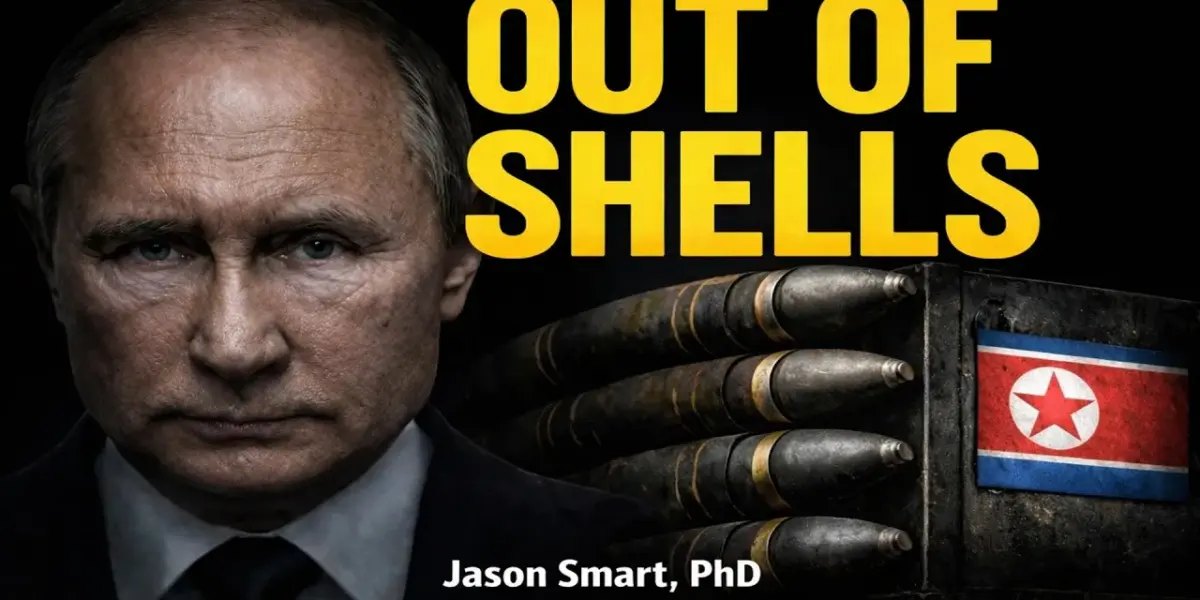
North Korea Sells Arms, Labor to Russia
Russia is increasingly relying on North Korea for military supplies and manpower, a stark indicator of Moscow’s weakening position and dependence on former clients. This reliance highlights a significant shift in regional power dynamics, with Beijing also leveraging Russia’s vulnerabilities for strategic gain. The battlefield losses and economic strain from the ongoing conflict in Ukraine are forcing Russia into a position where it must seek external support, even from nations it once considered subordinate.
A Desperate Market for Moscow
The conflict in Ukraine has drained Russian military resources, pushing Moscow to procure essential supplies like artillery shells from North Korea. Despite North Korea’s significantly smaller economy, estimated by the World Bank at around $18 billion compared to Russia’s $2 trillion, Pyongyang has become a crucial supplier. Reports indicate that over half of the shells supplied by North Korea require refurbishment, and some of these older munitions, dating back to the 1960s, carry a risk of premature explosion. This reliance on aging and potentially unstable weaponry underscores Russia’s logistical and industrial shortfalls.
Beyond munitions, Russia is also sourcing labor from North Korea. This includes engineers and general manpower, with estimates suggesting around 15,000 North Korean laborers are currently in Russia. These workers are often concentrated in construction and industrial roles, particularly in regions like Kursk, which borders Ukraine. The issuance of visas for North Koreans to Russia has surged, with a significant increase noted between 2024 and 2025, though many are categorized as for ‘education,’ masking their true purpose as labor.
China’s Strategic Calculations
While North Korea profits from immediate needs, China is playing a longer game, using Russia’s dependence to its strategic advantage. Beijing is not merely supplying Russia; it is carefully managing its support to extract leverage. China’s role as a major trading partner is critical, with Chinese goods making up 38% of Russia’s imports and about 31% of its exports going to China. This economic relationship gives Beijing considerable influence over Moscow’s ability to sustain its war effort and manage its economy under sanctions.
However, China’s trade with the European Union and the United States remains far more significant than its trade with Russia. This suggests Beijing prioritizes its relationships with Western powers over a deep strategic alliance with Moscow, using Russia as a tool rather than an equal partner. A weaker Russia, more dependent on China, serves Beijing’s interests by increasing its regional influence and limiting Moscow’s independent actions.
Strategic Implications and Battlefield Impact
The battlefield is not only depleting Russia’s military might but is also transforming its global standing. The need to buy arms from a nation like North Korea, and to seek diplomatic cover from China, signifies a reversal of the traditional hierarchy. Russia, once perceived as a major power, is now demonstrating significant weaknesses, including an inability to adequately arm, staff, or diplomatically maneuver on its own.
This dependence has tangible effects on the ground. For instance, Ukrainian strikes targeting Russian logistics and industrial capacity, such as attacks on oil refineries and airfields in occupied Crimea, are further exacerbating Russia’s shortages. The loss of key assets, like the Orion drones and An-72 aircraft at Dzhankoi airfield in Crimea, highlights Russia’s difficulty in replacing advanced equipment. The reported death of Lieutenant General Alexander Atrahenko in a recent An-26 crash in Crimea, a commander involved in the 2014 annexation, underscores the risks even high-ranking officers face due to deteriorating operational security and logistical challenges.
Furthermore, Russia faces a growing demographic crisis, with declining birth rates and significant losses in working-age men due to the war, exile, and early deaths. This exacerbates its need for labor, making the influx of North Korean workers a necessity rather than a choice. The situation is a far cry from President Putin’s initial aim of projecting Russian dominance; instead, it exposes a nation struggling to maintain its military and economic footing.
The reliance on North Korean artillery, known for its instability, also poses a direct threat to Russian soldiers. This raises questions about the nature of alliances when one partner provides equipment that endangers their own forces. The dynamic illustrates a Russia that is bleeding resources and influence, becoming increasingly isolated and reliant on less stable partners, while China strategically positions itself to benefit from Russia’s predicament.
Dr. Jason Smart, a chief correspondent and national security adviser, noted that the battlefield is not just about territorial gains or losses but about making occupation difficult and the war unsustainable for Russia. The more Russia loses, the more valuable North Korea becomes as a supplier. This dependency, coupled with China’s calculated economic leverage, paints a picture of a declining Russian power, increasingly trapped by its own strategic miscalculations and the opportunistic actions of its neighbors.
Source: North Korea Is Robbing Russia Blind (YouTube)

Related Articles
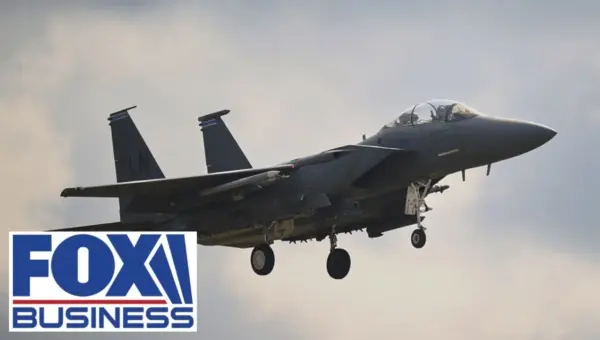
Iran Downs US F-15; One Pilot Rescued, Second Missing
A U.S. F-15 fighter jet has been shot down over Iran, with one pilot rescued and a search underway for the second. Iran is leveraging the incident for propaganda purposes, while the U.S. prioritizes the rescue mission.

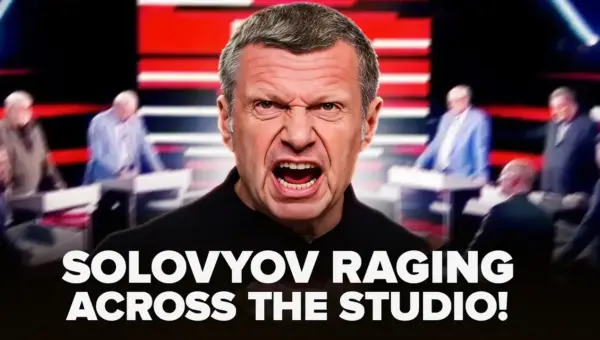
Kremlin Media Warns of Ukraine’s Long-Range Strikes
Russian state television is amplifying warnings about Ukraine's potential to strike deep into Russian territory with newly supplied long-range weapons. Prominent figures voice concerns over targeting key Russian sites, while historical narratives are selectively used to criticize European nations, particularly Germany. The media aims to foster domestic unity by framing dissent as treason and emphasizing perceived external threats from NATO.
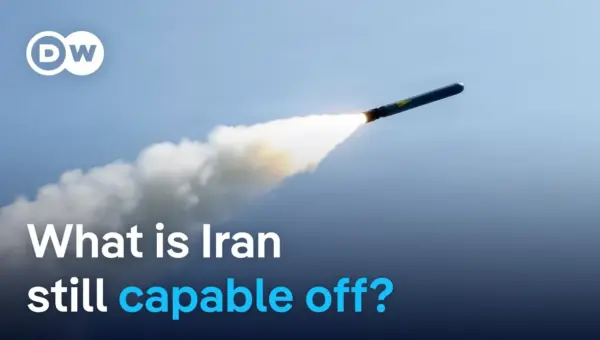
Iran Strikes Target Infrastructure: Gulf States Fear Escalation
Iran's retaliatory strikes on critical infrastructure, including a Kuwaiti desalination plant, have heightened fears across Gulf states. Expert Kaman Matin explains Iran's strategy of targeting civilian and economic assets in response to attacks, while Gulf nations brace for potential escalation. The situation remains tense, with diplomatic efforts struggling to find a path to de-escalation.