Noem’s Ouster: A Tumultuous Exit From Homeland Security
Kristi Noem's tumultuous exit from Homeland Security, marked by alleged mismanagement and a controversial dismissal, highlights ongoing concerns about accountability in government. The events surrounding her tenure and successor raise questions about future leadership and public trust.

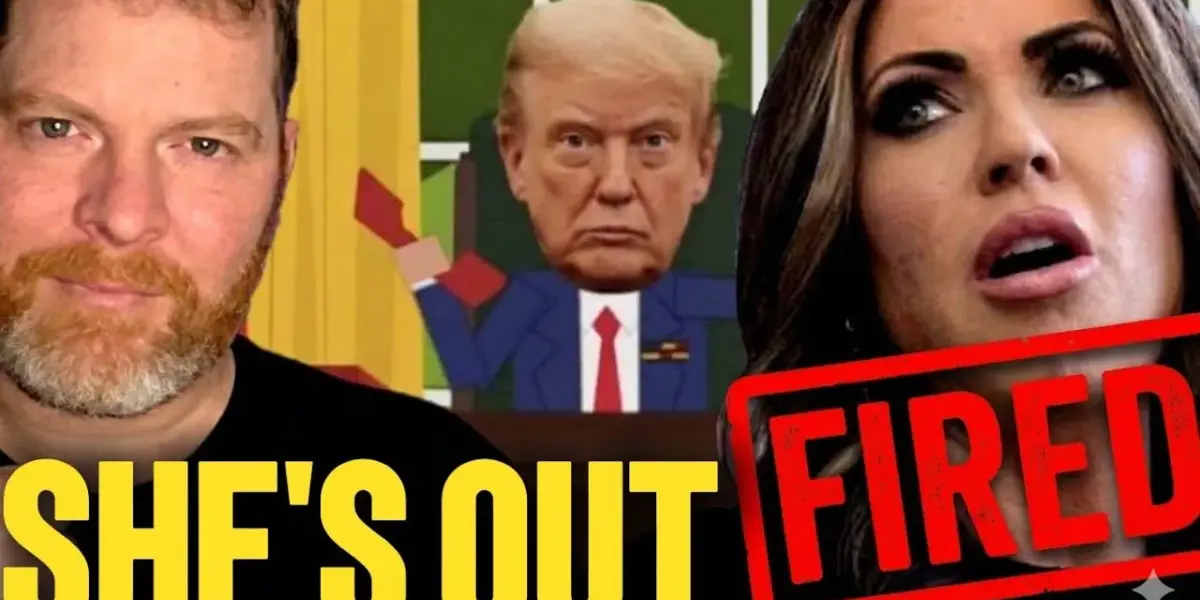
Noem’s Ouster: A Tumultuous Exit From Homeland Security
The recent departure of Kristi Noem from her role as Secretary of Homeland Security has been described as a dramatic and politically charged event, unfolding in a manner that some observers characterize as quintessentially aligned with the style of former President Donald Trump. The narrative surrounding her exit is fraught with allegations of mismanagement, ethical concerns, and a public relations nightmare that culminated in her unceremonious removal.
The Unceremonious Dismissal
Reports suggest that Noem’s termination was not communicated directly to her but rather announced publicly via social media platform Truth Social, a tactic widely seen as a deliberate and public slight. This method of dismissal, occurring while Noem was reportedly engaged in a public address about her vision for the future of the Department of Homeland Security (DHS), left many, including presumably Noem herself until the last moment, unaware of her impending departure.
A Record Marred by Controversy
The criticism leveled against Noem’s tenure at DHS is extensive and multifaceted. A significant point of contention has been her handling of public incidents and the agency’s operations. Following the deaths of two Americans, the swift public declaration that the individuals were domestic terrorists, without waiting for a full investigation, has drawn sharp criticism. This approach, critics argue, preempted due process and demonstrated a disregard for thorough investigative procedures.
Furthermore, a substantial financial controversy surrounds a $220 million contract awarded for what has been termed an “infomercial for ICE.” Allegations suggest this substantial sum was directed towards the production company of a family friend, a move characterized by some as a form of fraud against the American public. The scale of this contract, comparable to the budgets of major Hollywood films, has raised serious questions about transparency and accountability within the department.
Beyond these specific incidents, reports have surfaced regarding alleged “Caligula-level behavior” within her office, including accusations of infidelity. This has been juxtaposed with Noem’s public persona, which some perceive as projecting a strong moral stance, leading to accusations of hypocrisy.
Senate Scrutiny and Public Trust
The transcript highlights a particularly intense grilling of Noem by Democratic senators, which appears to have been a pivotal moment in her downfall. Senators raised pointed questions about her judgment and actions, notably referencing a passage in her book detailing the killing of a 14-month-old dog. The senators argued that this incident, presented as a lesson in leadership and tough choices, revealed a disturbing lack of empathy and poor decision-making, especially for someone in her position.
“The passage where you talk about killing a dog that was 14 months old. I train dogs. All right. And you are a farmer. You should know better. You should know that if you’re going out to a hunting lodge and you’re putting pheasants out and you’re putting dogs out, YOU DON’T TAKE A puppy out there. A 14-month old dog is basically a teenager in dog years. You decided to kill that dog because you had not invested the appropriate time in training. And then you have the audacity to go into a book and say it’s a leadership lesson about tough choices.”
The senators also challenged Noem on the conduct of ICE agents, presenting evidence of alleged overreach, including the detention of a U.S. citizen for over 70 hours despite presenting proof of citizenship, and reports of ICE agents entering school grounds and terrifying children. These instances were framed as evidence of a “reckless and out of control agency” operating without adequate oversight or situational awareness, leading to a “great breakdown in the trust” between the government and the American people.
The Aftermath: Falling Upwards?
Despite the severe criticisms and the manner of her dismissal, the sentiment expressed in the transcript is that Noem’s departure is insufficient punishment. The prevailing view is that individuals within this administration often “fall upwards” following perceived failures, transforming them into PR liabilities rather than holding them accountable. Indeed, reports suggest Noem has been appointed as a “special envoy for the Shield of Americas,” a role described as newly created and somewhat nebulous, potentially serving to remove her from direct public scrutiny while maintaining a position of influence.
The Succession and Future Outlook
The appointment of Markwayne Mullin, a former MMA fighter and current Senator from Oklahoma, as Noem’s successor, has also drawn commentary. Mullin’s background, particularly his Native American heritage, is noted in the context of a political movement that has sometimes exhibited hostility towards Native American viewpoints. The choice is interpreted by some as a strategic move by Trump to counter accusations of racism and to present a different face for an agency whose actions have been widely criticized for impacting minority groups.
The overarching sentiment is one of deep disillusionment with the current state of governance, where alleged corruption and misconduct are seen as commonplace. The calls for accountability extend beyond mere dismissals, with a strong undercurrent of desire for legal repercussions for actions perceived to have caused significant harm to individuals and the nation’s social fabric. The ongoing issues at the border, the conduct of ICE, and the erosion of public trust remain critical challenges facing the Department of Homeland Security and the broader administration.
Why This Matters
The case of Kristi Noem’s exit from DHS is emblematic of broader concerns regarding accountability, transparency, and ethical conduct within high-level government positions. The events highlight a pattern where significant controversies, including alleged financial impropriety and questionable judgment, do not necessarily lead to meaningful consequences for those in power. Instead, individuals may be reassigned or elevated to new roles, raising questions about the effectiveness of oversight mechanisms and the public’s demand for justice.
The intense scrutiny from senators underscores the role of legislative oversight in holding executive branches accountable. The detailed questioning, particularly regarding personal conduct and the impact of agency actions on citizens, serves as a crucial check on power. The public’s reaction, as reflected in the sentiment that Noem’s dismissal is insufficient, indicates a growing demand for tangible accountability, including potential legal ramifications for actions that cause widespread harm.
The implications for future leadership within DHS and similar agencies are significant. The controversies surrounding Noem’s tenure and the subsequent appointment of her successor suggest a continued focus on political maneuvering and loyalty over demonstrated competence and ethical leadership. The erosion of public trust, exacerbated by such events, poses a long-term threat to democratic institutions, making it imperative for both government officials and the public to prioritize integrity and accountability.
Implications and Future Outlook
The narrative surrounding Noem’s departure suggests a political landscape where personal loyalty and adherence to a specific political agenda can supersede traditional standards of governance. The appointment of individuals with backgrounds in combat sports or those who fit a particular ideological mold, rather than seasoned administrators with proven track records in public service, raises questions about the future direction of critical government departments like DHS.
The focus on border security and immigration, a central theme in the criticisms, remains a highly contentious issue. The methods employed by DHS under Noem’s leadership, and the allegations of overreach and mistreatment, have fueled public distrust and political polarization. The incoming leadership faces the daunting task of addressing these issues while simultaneously attempting to restore faith in the agency’s operations and its commitment to upholding constitutional rights.
The long-term outlook hinges on whether the political system can evolve to demand greater accountability from its leaders. The current trajectory, as depicted in the transcript, suggests a cycle of controversy followed by reassignment rather than genuine reform. The public’s demand for more than just dismissals, and their desire for justice and redress for perceived harms, will likely continue to shape the political discourse surrounding immigration, law enforcement, and the integrity of government institutions.
Historical Context
The Department of Homeland Security was established in the aftermath of the September 11, 2001, terrorist attacks as a response to perceived failures in inter-agency communication and coordination. Its creation represented a significant consolidation of various federal agencies under one umbrella, tasked with protecting the nation from domestic and international threats. Since its inception, DHS has been at the forefront of national security debates, particularly concerning immigration, border control, and counter-terrorism efforts.
The history of DHS is also marked by significant leadership changes and ongoing debates about its effectiveness and the scope of its powers. Secretaries have frequently faced intense political scrutiny, particularly concerning immigration policies and the operations of agencies like Immigration and Customs Enforcement (ICE) and Customs and Border Protection (CBP). The controversies surrounding Noem are part of a larger, ongoing narrative of challenges and criticisms that have plagued the department throughout its existence, reflecting deep-seated disagreements about national security, civil liberties, and the role of government in managing borders and enforcing immigration laws.
Source: The Senate Just Ate Kristi Noem Alive (The $220M Grift) (YouTube)

Related Articles

Trump Fires DHS Secretary Noem Amidst Controversy
DHS Secretary Kristi Noem has been fired by Donald Trump, sparking speculation about the reasons behind the dismissal. Theories range from poor job performance to a calculated distraction from controversial policies and events. Noem's tenure was marked by a harsh mass deportation program and a contentious ad campaign.

Ex-DHS Staffer: Trump Taps ‘Arsonist’ for Burning Homeland Security Dept.
A former DHS official has likened President Trump's nominee for Homeland Security Secretary, Markwayne Mullin, to an "arsonist" entering a "burning house." The criticism comes amid concerns over the department's credibility, national security vulnerabilities, and Mullin's suitability for the role.

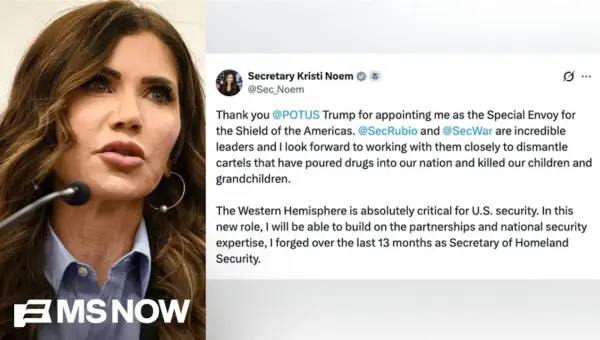
Noem Out at DHS; Trump Taps Mullen Amidst Policy Shift
Kristi Noem has been removed as Secretary of Homeland Security and appointed special envoy for the Shields of the Americas. Mark Wayne Mullen is reportedly set to take over DHS leadership amidst criticism of Noem's tenure and past strategies. The transition signals a potential shift in the department's approach to immigration enforcement and national security.