Noem’s Border Testimony Crumbles Under Bipartisan Scrutiny
Homeland Security Secretary Kristi Noem faced a harsh bipartisan grilling in a Senate hearing, with criticism from Republicans proving particularly damaging. The event highlights deep-seated concerns about border security and leadership effectiveness.


Noem’s Border Testimony Crumbles Under Bipartisan Scrutiny
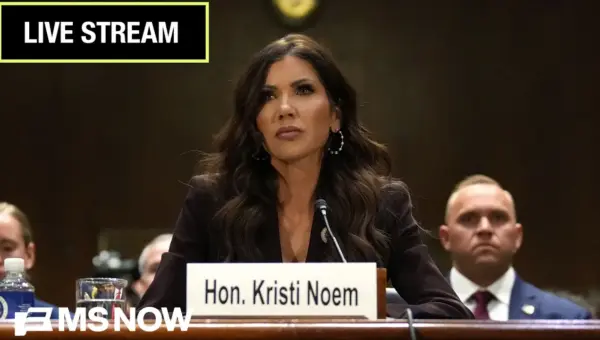
Homeland Security Secretary Kristi Noem faced a brutal grilling before the Senate Judiciary Committee this week, a hearing that proved disastrous for the embattled Secretary. While anticipated Democratic opposition was a given, the most damaging blows came from an unexpected quarter: her own Republican colleagues. The transcript suggests a level of dissatisfaction that transcended party lines, painting a picture of an administration struggling with its core mission and a leader under intense pressure.
A Bipartisan Barrage
The narrative emerging from the hearing is one of profound incompetence, at least as perceived by the lawmakers present. Farron Cousins, in his analysis, highlights that the Democrats on the Committee were predictably unsparing. However, it was the Republican senators who delivered what Cousins describes as the “hammering,” turning a potentially challenging session into a full-blown crisis for Noem. This bipartisan condemnation is particularly noteworthy, indicating that the perceived failures at the Department of Homeland Security (DHS) are not simply a partisan talking point but a genuine concern for members of both parties.
The sentiment expressed in the video description, referring to Noem as an “incompetent moron,” while harsh, reflects the palpable frustration and anger directed at the Secretary. The suggestion that she “should’ve quit while she had the chance at the end of last year” underscores the deep-seated belief among some observers that her tenure has been marked by significant failures, and that the current situation is untenable. The hearing, therefore, wasn’t just a routine oversight meeting; it appears to have been a public reckoning for Noem and the DHS under her leadership.
Historical Context: A Nation at a Crossroads
The challenges facing the DHS, particularly concerning border security, are not new. For decades, the United States has grappled with complex immigration policies, the humanitarian crisis at its southern border, and the logistical and political hurdles involved in managing these issues. Administrations of both parties have faced intense scrutiny and criticism regarding their handling of these matters. However, the current moment is particularly charged, with record numbers of border crossings, escalating humanitarian concerns, and a deeply polarized political landscape.
The DHS itself was established in the aftermath of the September 11th attacks, consolidating various security agencies under one umbrella. Its mandate is vast, encompassing everything from border control and immigration to cybersecurity and disaster response. The immense responsibility placed upon the Secretary of Homeland Security is undeniable, and any perceived weakness or misstep in such a critical area as border security is amplified in the current environment. Noem’s appearance before the committee must be viewed against this backdrop of persistent, systemic challenges and heightened public and political anxiety.
Why This Matters
The implications of a Secretary of Homeland Security facing such severe bipartisan criticism are significant. Firstly, it erodes public trust in the government’s ability to manage a fundamental aspect of national security and sovereignty. When lawmakers from both sides of the aisle express such profound dissatisfaction, it signals a breakdown in effective governance and a lack of confidence in the leadership. This can have a chilling effect on morale within the department itself and create uncertainty for allies and adversaries alike regarding the stability and effectiveness of U.S. border policy.
Secondly, such a public drubbing can paralyze policy-making. If the Secretary is perceived as ineffective or lacking the support of key congressional committees, it becomes exceedingly difficult to pass necessary legislation, secure funding, or implement new strategies. The hearing could be a precursor to calls for resignation or impeachment, further destabilizing the department at a critical juncture. The focus shifts from finding solutions to political infighting and personnel changes, potentially leaving the underlying issues unresolved.
Implications, Trends, and Future Outlook
The trend highlighted by this hearing is the increasing politicization and intense scrutiny of border security operations. It suggests that border policy has become a central battleground in the ongoing political discourse, with little room for compromise or nuanced solutions. The bipartisan nature of the criticism, however, might also indicate a potential, albeit slim, for finding common ground on certain aspects of the crisis, provided that political posturing can be set aside.
The future outlook for Secretary Noem, based on this account, appears precarious. The strong criticism from within her own party is a particularly worrying sign. It suggests that her position may be untenable, and that pressure for her resignation or removal could mount. If Noem were to be replaced, the focus would inevitably turn to her successor and whether they could navigate the treacherous political waters and effectively address the complex challenges at the border.
Furthermore, this event underscores a broader trend of accountability, or the demand for it, in high-stakes government positions. In an era of constant media coverage and social media amplification, perceived failures in leadership are quickly exposed and amplified. The pressure on public officials to perform and deliver results, especially in areas as sensitive as national security and public safety, is immense. The hearing serves as a stark reminder that even seasoned politicians are vulnerable to sharp questioning and public judgment when they fail to meet expectations.
Conclusion
The Senate Judiciary Committee hearing involving Homeland Security Secretary Kristi Noem appears to have been a watershed moment, exposing deep divisions and widespread dissatisfaction with the administration’s handling of border security. The bipartisan nature of the criticism is particularly damning, suggesting that the challenges are not merely ideological but rooted in operational and leadership failures. As the situation unfolds, the political fallout and the long-term implications for border policy and national security remain to be seen, but the immediate outlook for Secretary Noem appears exceedingly bleak.
Source: Kristi Noem Gets Completely Destroyed During Senate Hearing (YouTube)

Related Articles


Texas Turns Blue? Election Shakes Up GOP, Fuels Democratic Hopes
Record Democratic turnout in Texas primaries signals a potential political realignment, with upsets and divisions within the GOP fueling Democratic hopes for November. A special election win in Arkansas further underscores these shifts.

Noem Faces House Scrutiny on Immigration After Senate Grill
Homeland Security Secretary Kristi Noem faced intense scrutiny from both the House and Senate Judiciary Committees this week regarding the nation's immigration policies. The hearings delved into border enforcement, detention conditions, and departmental spending, highlighting deep partisan divides on the issue.


Noem Faces House Scrutiny Over Trump Immigration Policies
South Dakota Governor Kristi Noem faced intense questioning from the House Judiciary Committee regarding her involvement with former President Donald Trump's immigration policies. The hearing focused on key aspects of the Trump agenda and its implications.