Noem’s $220M Ads: A Political Power Play or Wasteful Spending?
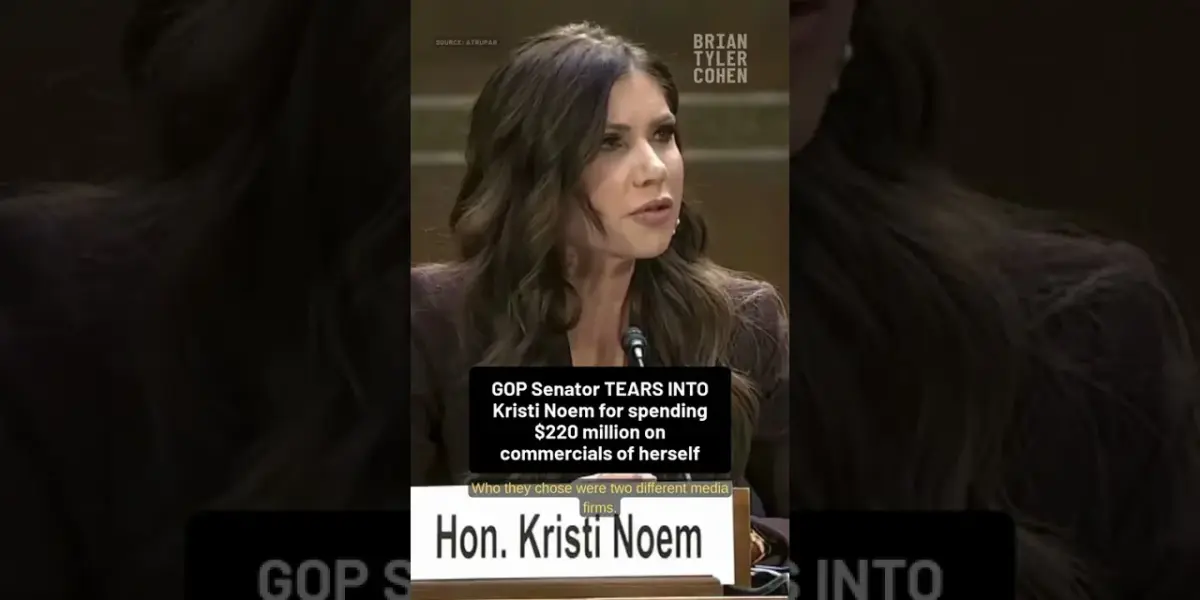
A GOP Senator grilled Governor Kristi Noem over $220 million spent on television ads featuring her prominently. The exchange raises questions about government waste, political self-promotion, and the procurement process for such massive campaigns.

Noem’s $220M Ads: A Political Power Play or Wasteful Spending?
The political arena is often a stage for grand pronouncements and strategic maneuvers, but sometimes, the sheer scale of a campaign can raise eyebrows and spark intense scrutiny. Such is the case with South Dakota Governor Kristi Noem’s extensive use of television advertising, reportedly costing $220 million, which has drawn sharp criticism from within her own party. A recent exchange, captured in a YouTube video, highlights a tense confrontation where a GOP Senator directly challenged Noem on the expenditure, questioning its justification and propriety.
The Core Accusation: Self-Promotion or Public Service?
The central point of contention revolves around the substantial sum spent on commercials that prominently feature Governor Noem. The Senator, whose identity is not explicitly stated but whose questioning carries significant weight, directly links this spending to concerns about government waste. “How do you square that concern for waste… with the fact that you have spent $220 million running television advertisements that feature you prominently?” the Senator asked.
Governor Noem’s defense hinges on a directive she claims came from the President. She stated, “Um, sir, the president tasked me with getting the message out to the country and to other countries where we were seeing the invasion come from.” The message, according to Noem, was a clear warning to those entering the country illegally: “if they were in this country illegally that they needed to leave or we would detain them and remove them and they’d not get the chance to come back to America the right way.” She asserted that this campaign “has been extremely effective.”
Questions of Process and Political Ties
Beyond the justification of the message, the Senator delved into the procurement process. Key questions were raised regarding whether these service contracts were put out for competitive bid and whether the chosen firms had prior political affiliations with Noem. “Did you bid out those service contracts?” the Senator inquired. Noem confirmed that they were, stating, “Yes, they did. They went out to a competitive bid and career officials at the department chose who would do those advertising commercials.”
However, the Senator pressed further, pointing out a potential conflict of interest: “And the people that you ended up picking… were people who had formerly done your political work back in South Dakota. Is that right?” Noem vehemently denied this, stating, “No, that’s not correct, sir.” She clarified that the career officials selected two different media firms, acknowledging conversations about subcontractors but asserting a lack of legal authority to investigate them.
Adding another layer to the debate, the Senator sought confirmation on presidential approval. “And you’re saying that you’re testifying that President Trump approved this ahead of time? Is that my understanding?” Noem confirmed conversations with the President about ensuring the message was disseminated but seemed to deflect a direct confirmation of explicit approval for the ad spend itself. The Senator, however, rephrased the question pointedly: “No, ma’am. I’m asking you… the president approved ahead of time you spending $220 million running TV ads across the country in which you are featured prominently?” Noem responded, “Sir, we went through the legal processes. Did it correctly?” The Senator’s response, “Yes,” confirmed Noem’s assertion that the process was legally followed, though the underlying approval for the specific ad strategy remained somewhat ambiguous.
Effectiveness and Political Optics
The Senator concluded by questioning the effectiveness of the communications, particularly in terms of Noem’s personal name recognition. “Well, they were effective in your name recognition,” the Senator conceded, before expressing personal disbelief and concern about the optics. “I mean, to me, it puts the president in a terribly awkward spot… It’s just hard for me to believe.” The exchange ended with the Senator suggesting that Noem might have presented the ads to the President as her own initiative, a notion Noem did not directly refute but rather framed within the context of official duties.
Why This Matters
This incident is more than just a political spat; it touches upon fundamental questions of taxpayer money, governmental transparency, and the blurring lines between public service and personal political branding. The sheer magnitude of the $220 million expenditure raises concerns about whether such funds could have been allocated to more pressing needs, especially if the primary outcome is enhancing an individual’s political profile rather than solely serving a public policy objective. The Senator’s challenge underscores a growing unease among some within the GOP about expenditures that appear self-serving or politically motivated, potentially eroding public trust and fueling perceptions of waste.
Historical Context and Trends
The use of government resources for political messaging is a perennial issue in American politics. Historically, administrations have grappled with the fine line between informing the public about policy and engaging in partisan promotion. The Trump administration, in particular, was often characterized by a less conventional approach to governmental communication, frequently leveraging presidential platforms for personal and political messaging. This case, involving a high-profile governor and a significant ad buy, fits into a broader trend of political figures using sophisticated communication strategies, sometimes blurring the lines between official duties and campaign activities. The question of whether these ads were a necessary government communication or a politically advantageous self-promotion campaign is central to the public’s perception of accountability.
Implications, Trends, and Future Outlook
The implications of this controversy are far-reaching. Firstly, it highlights the power and potential pitfalls of large-scale advertising campaigns funded by public or quasi-public means. Secondly, it reflects an ongoing tension within political parties regarding campaign finance, transparency, and the ethical use of resources. The fact that the criticism came from a fellow Republican suggests internal divisions on strategy and accountability. Looking ahead, this incident may prompt increased scrutiny of similar expenditures by other officials. It could also fuel calls for stricter regulations on government-funded advertising, particularly when individuals are featured so prominently. The trend towards hyper-personalized political branding, amplified by media spending, is likely to continue, making such debates over authenticity and propriety increasingly common. The future may see greater demand for clear distinctions between official government communications and political campaigning, with a closer eye on how public funds are utilized in the pursuit of political visibility.
Ultimately, the debate over Governor Noem’s $220 million ad campaign serves as a potent reminder that even within the often-heated world of politics, questions of fiscal responsibility and ethical conduct remain paramount. The public’s trust is a fragile commodity, and expenditures of this magnitude, regardless of their purported effectiveness or legal compliance, will continue to be subject to intense scrutiny and debate.
Source: GOP Senator TEARS INTO Kristi Noem for spending $220 million on commercials of herself (YouTube)

Related Articles

Homeland Security Chief Faces Scrutiny Over Jets, Ad Spending
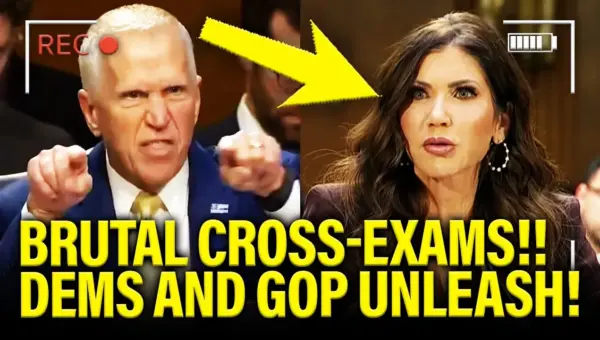
Homeland Security Secretary Kirstjen Nielsen faced tough questions on luxury jets, a $220 million ad contract, and citizen arrests during a Senate hearing. Senators scrutinized spending and operational practices, revealing deep concerns over accountability and resource allocation within the department.

DHS Secretary Faces Fire Over Immigration Policies, Jet Use
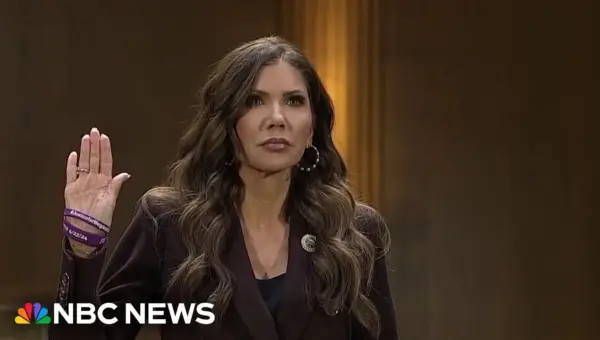
Homeland Security Secretary Kristi Noem faced sharp bipartisan questioning on Capitol Hill regarding the DHS shutdown, controversial immigration enforcement tactics, and the use of a luxury jet for deportation flights. Tensions rose as senators pressed Noem on the fatal shootings of protesters and the department's communication strategies.
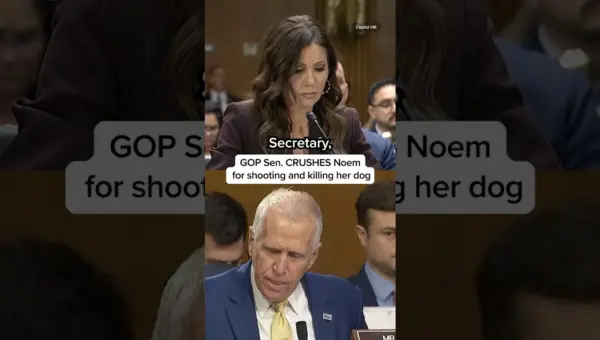
Senator Tillis Condemns Governor Noem’s Dog Shooting Admission
Senator Thom Tillis strongly condemned South Dakota Governor Kristi Noem's admission of shooting and killing her dog, Cricket. Tillis called the act a "bad decision" and questioned the notion of teaching leadership through cruelty during a Senate hearing. Noem had stated the dog was aggressive and that the act was a "tough choice" to impart a leadership lesson.