No Easy Fix: Ex-Minister on Cost of Living Crisis
Former Treasury Minister Angela Knight argues that governments cannot fully shield citizens from the cost of living crisis, emphasizing individual acceptance of global instability. She proposes a long-term 'social tariff' for energy bills and a significant rethink of the UK's energy policy to ensure security and affordability.

No Easy Fix: Ex-Minister on Cost of Living Crisis
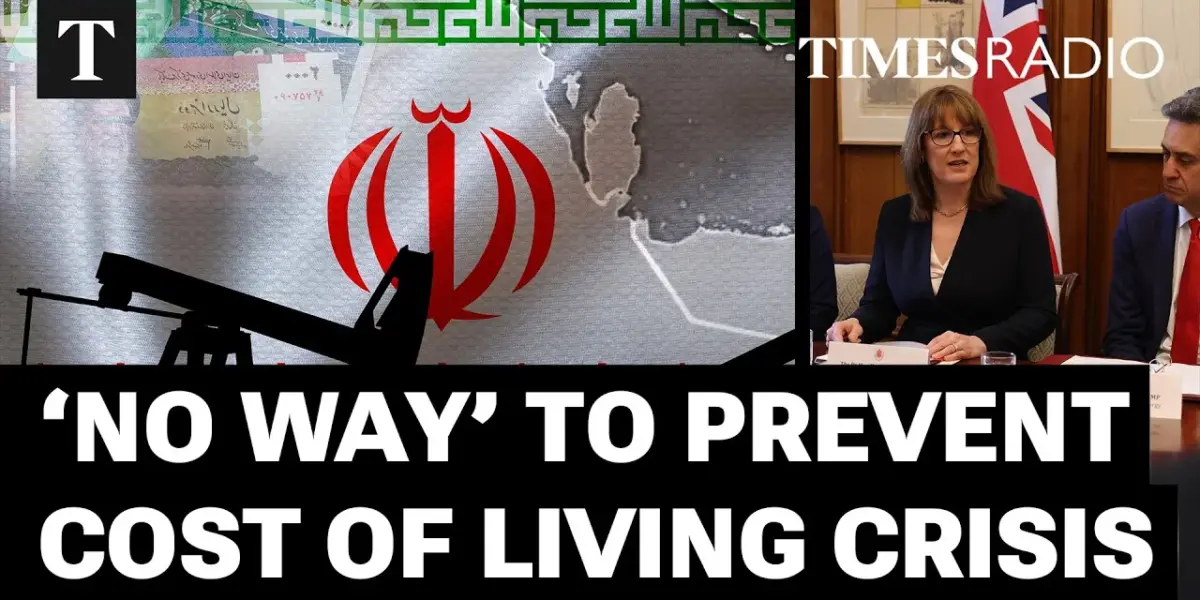
Former Conservative Treasury Minister Angela Knight has stated that there is “no way” for any government to completely shield citizens from the escalating cost of living crisis, emphasizing that individuals must accept the reality of global instability. Speaking on the economic fallout from international events, Knight outlined potential government strategies and offered a critique of current energy policy, suggesting a shift towards long-term, practical solutions.
The Inevitability of Global Shocks
Knight began by addressing the widespread impact of global events on domestic economies. “We as individuals, as residents, as citizens need to recognize that there’s no such thing as protection from world events,” she asserted. “This is part of the life in which we lead at the moment. And it’s no doubt going to stay unstable for some significant period of time.” This pragmatic outlook sets the stage for her analysis of how governments can, and cannot, mitigate the effects of such instability on household budgets.
Targeted Support vs. Social Tariffs
The discussion touched upon proposals for government intervention, specifically referencing Labour’s Rachel Reeves’ consideration of targeted energy bill support for the poorest households. Knight questioned the feasibility and complexity of such an approach, particularly when identifying those most in need. She highlighted the specific issue faced by households reliant on heating oil, a group not directly connected to the gas grid and experiencing disproportionately high price increases.
“The only really quick thing I suspect you can do is uh take VAT off it, take fuel duty off it, and so at least remove the taxation that sits on top at the moment,” Knight suggested as a temporary measure for heating oil users. However, for a more sustainable solution to support low-income households with essential energy costs, she advocated for the implementation of a “social tariff.” This system, adopted in several European countries, involves offering an artificially lower energy tariff to those receiving certain welfare benefits.
“I think I do reckon that that social tariff is a better option than what we’re doing at the moment which is got multiple little bits and pieces that come in… Whereas it does seem that those countries which operate with a social tariff… don’t have this this great sort of frights that we keep having on a periodic basis.”
Knight argued that a social tariff provides a more consistent and less complicated method of supporting vulnerable populations compared to the current patchwork of temporary measures, which she described as “multiple little bits and pieces that come in.” She acknowledged that the cost of such a tariff would ultimately need to be covered, either through general taxation or by being absorbed by other consumers, stating, “there’s no such thing as free.”
Rethinking Energy Policy
Beyond immediate financial support, Knight strongly criticized the UK’s current energy policy, particularly its reliance on green levies and a perceived mismanagement of domestic resources. She pointed to the intermittency of renewable sources like wind power and the lack of adequate backup, leading to increased reliance on imports and higher costs.
“I do think that the way that we’re just adding green levies onto people’s bills and building wind farms without any backup and we’re not thinking about, you know, what are you going to do when the the wind doesn’t blow,” she stated. Knight also questioned the current method of electricity price calculation, which she believes is artificial and consistently results in high numbers. She described the policy of importing energy while not fully utilizing North Sea resources as “completely dafted.”
Her proposed alternative involves removing some of the additional costs from energy bills, rethinking the overall energy strategy, and prioritizing practical, long-term solutions that ensure energy security. This includes investing in domestic backup power, such as small-scale nuclear power, rather than solely relying on surplus energy from other countries.
Addressing Fuel Duty and Welfare Spending
The conversation also turned to the rising price of petrol, which had reached a 16-month high. Knight urged the Chancellor to abandon plans to increase fuel duty by 5p per liter, suggesting that the government has more scope for action than is currently being utilized.
More broadly, Knight criticized government spending habits and called for a review of the welfare bill, which she described as “huge.” She highlighted that a significant portion of the working-age population is not employed, and while acknowledging valid reasons for not working, she argued that welfare spending is not being managed effectively to create jobs, particularly for young people.
“We’re not creating the jobs. Uh we’ve taxed industry too much. you know, think again,” she advised. Knight believes that by getting a grip on spending and welfare, the government could allocate funds more wisely, which would also help reduce the cost of national debt servicing. She pointed out that the UK pays more for its debt than France, despite France having more precarious public finances.
Looking Ahead
Angela Knight’s remarks underscore the complex and multifaceted nature of the cost of living crisis. While acknowledging the limitations of government protection against global shocks, she advocates for a strategic shift towards more sustainable and practical energy policies and a rigorous review of public spending. The coming months will likely see continued debate on these issues as policymakers grapple with balancing immediate relief with long-term economic stability.
Source: 'No Way' To Prevent Cost Of Living Crisis | Angela Knight (YouTube)

Related Articles

Iran War Sparks Fertilizer Crisis, Threatening Global Food Supply
The Iran war is not only impacting oil prices but also creating a severe fertilizer shortage that could lead to global food shortages this winter and spring. While temporary fuel waivers offer minor relief at the pump, the diversion of farmland for ethanol production and the disruption of fertilizer supply chains pose greater threats to global stability.

UK Economy Faces Downgrade Amid Iran War Fears
The UK's economic growth is forecast to slow significantly, with inflation expected to hit 4% due to disruptions from the Iran conflict. Economist Linda Yu explains how global tensions are impacting inflation and potentially leading to interest rate hikes. The long-term economic outlook depends on the resolution of the conflict and the reopening of vital shipping routes.
Energy Giant Ditches Wind for Gas: A Major US Policy Pivot?
Global energy giant Total Energies is abandoning nearly $1 billion in U.S. offshore wind leases, redirecting funds to natural gas development in Texas. The company cited high costs and potential impacts on consumer energy prices as key reasons for the shift. This decision has drawn support from some groups and raises questions about the future of wind energy in the U.S.