NJ Cops Can’t Hide Faces: New Mask Ban Sparks Debate
New Jersey has banned law enforcement officers, including ICE agents, from wearing masks on duty. The new law also requires officers to show ID before arrests. This move aims to boost transparency but raises safety concerns for officers and sparks debate with federal agencies.


New Jersey Police Face Mask Ban
New Jersey is making a bold move, becoming the second state this year to pass a law stopping police officers from wearing masks while on duty. Governor Mikie Sherrill signed this new legislation, which affects law enforcement officers, including those from ICE (Immigration and Customs Enforcement). The law aims to make police more identifiable to the public they serve.
Key Provisions of the New Law
Besides the mask ban, the law has another important rule. Officers must now show their identification before they arrest or detain someone. This means people will know exactly who is taking them into custody. This is meant to increase transparency and accountability within law enforcement agencies.
Controversy and Legal Challenges
This new law is not without its critics and complications. The Trump administration has already taken legal action against New Jersey over a previous executive order from Governor Sherrill. That order stopped federal immigration agents from making arrests on state property, like inside jails or courthouses. Now, with this mask ban, there’s potential for more friction between state and federal authorities.
ICE’s Concerns About Doxing
Immigration and Customs Enforcement, or ICE, has raised concerns about officers wearing masks. They argue that masks help protect their agents from being identified and harassed online, a practice known as doxing. ICE officials stated that their officers always carry badges and official credentials, which identify them as law enforcement, even if their faces are covered. They believe the mask ban puts their agents at unnecessary risk.
A Growing Trend?
New Jersey isn’t the only state looking at this issue. Earlier this month, Washington state’s Governor Bob Ferguson signed a similar law. This suggests a growing trend across the country to ensure police officers are easily identifiable to the public. The idea is to build trust by making interactions more open and less intimidating.
Why This Matters
This law touches on important questions about public safety, police accountability, and individual rights. For citizens, seeing an officer’s face can make an interaction feel less threatening and more human. It’s about building trust between the community and the people who enforce the law. However, for law enforcement, concerns about personal safety and the ability to do their jobs effectively are also very real.
Historical Context
The debate over police attire and identification isn’t new. Historically, police uniforms and badges have always served to identify officers. However, the use of masks by law enforcement has varied. In some situations, like crowd control or investigations involving undercover work, masks might be used for safety or operational reasons. This new law reflects a desire to return to a more traditional model of visible, identifiable policing, especially in everyday encounters.
Implications and Future Outlook
The mask ban in New Jersey could have several effects. It might lead to more public trust if people feel they can clearly identify officers. On the other hand, it could create safety issues for officers, as ICE has pointed out. If more states follow suit, we might see a national conversation about police appearance and identification. The legal challenges from the federal government will also be important to watch. They could set precedents for how state laws interact with federal agency operations.
Balancing Act
Ultimately, this is a balancing act. Lawmakers are trying to find a way to ensure police are accountable and approachable, while also protecting officers and allowing them to do their jobs safely. The effectiveness of this law will depend on how it is implemented and whether it truly leads to better community relations. It also depends on how courts rule on potential challenges, especially from federal agencies like ICE.
Source: New Jersey Governor Mikie Sherrill Signs Law Enforcement Mask Ban (YouTube)

Related Articles


House Rejects Senate Bill, Citing Border Security Funding Gaps
House Republicans are rejecting a Senate funding bill, arguing it lacks essential appropriations for ICE and CBP, threatening anti-trafficking efforts and border security. They plan to pass a short-term measure to force renewed negotiations.

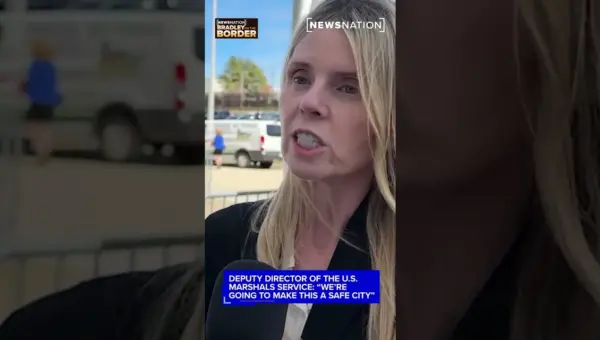
US Marshals Target Memphis Crime Surge
The U.S. Marshals Service has launched a major crime-fighting initiative in Memphis, aiming to unite law enforcement agencies and build community trust. The task force's primary goal is to reduce violent crime and make the city safer for its residents. This effort highlights the importance of collaboration between federal and local authorities in addressing public safety concerns.


GOP Lawmaker Slams DHS Funding Deal
A Republican lawmaker slammed a DHS funding package passed by the Senate in a late-night voice vote. The representative argued the bill "very disgusting" for not fully funding ICE and CBP. This highlights ongoing frustrations with legislative gridlock.