Nippon Steel Deal Promises Investment, Hiring Boost for US Steel
U.S. Steel's Irving plant is slated for significant investment and job growth following its acquisition by Nippon Steel. The deal, approved by former President Trump, promises to boost manufacturing amid sector-wide job losses. Federal Reserve officials are closely monitoring the plant's operations and labor challenges, which could impact inflation and interest rate decisions.

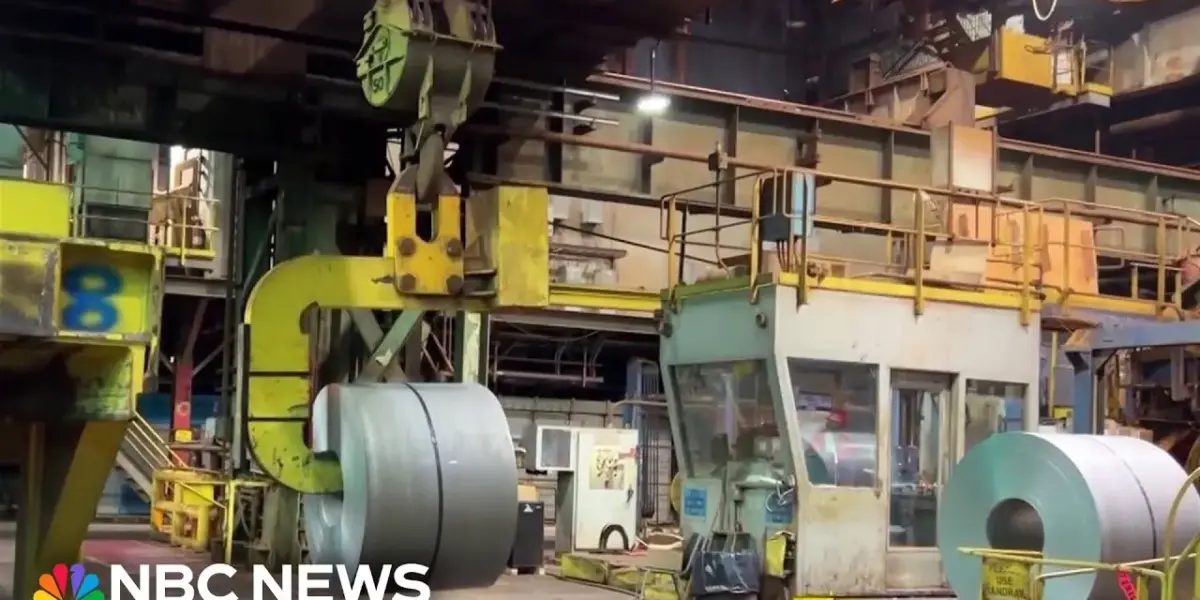
US Steel Poised for Growth Amidst Nippon Steel Acquisition
PITTSBURGH, PA – U.S. Steel’s Irving plant, a vital hub for American manufacturing located just outside Pittsburgh, is set to become a focal point for accelerated investment and job creation following its acquisition by Japan-based Nippon Steel. The deal, which faced scrutiny from both President Joe Biden and former President Donald Trump on the campaign trail, ultimately received a green light from Trump, who cited its potential to protect and generate over 100,000 jobs. This development arrives as a much-needed positive for the U.S. manufacturing sector, which has experienced significant job losses in recent years.
Manufacturing Sector Faces Challenges, Finds Hope in Steel Deal
The broader manufacturing landscape has been challenging, with the sector losing more than 300,000 jobs in the last three years and nearly 5 million since the turn of the century. Against this backdrop, the proposed merger between U.S. Steel and Nippon Steel represents a significant potential turnaround. Rob Kopf, U.S. Steel VP of Sales, described the Irving plant as a “microcosm of what the steel industry has been doing and is ready to do.” He emphasized that the investment and job creation plan associated with the merger is not a distant prospect but is set to “start now” with an “accelerated investment time period of about the next three years.”
Tariffs and Onshoring Shape Steel Industry Landscape
The steel industry’s trajectory is also being significantly shaped by economic policies, particularly tariffs. While the Supreme Court has struck down many of former President Trump’s tariffs, those imposed on foreign steel remain in effect. This policy has contributed to a trend of domestic production. “We have customers in the appliance industry that have already committed to onshoring production from China back into the U.S.,” Kopf noted. He added that these companies are “buying U.S. Steel, buying and buying our steel to do it when they start production next year.” This shift underscores a growing reliance on domestic steel sources for key American industries.
Federal Reserve Scrutinizes Economic Pulse at U.S. Steel
The implications of the steel industry’s health and employment dynamics were a key focus for Beth Hammack, President of the Federal Reserve Bank of Cleveland. Hammack, who is one of twelve individuals in the U.S. with a vote on interest rate policy, visited the U.S. Steel Irving plant to gain firsthand insight into the company’s operations, hiring practices, and pricing strategies. Accompanied by plant manager Don German, Hammack toured the facility, including the 1938 hot strip mill, witnessing the automated processes that produce vast quantities of steel daily. The plant currently employs approximately 850 people, with aspirations to hire more.
Labor Shortages and Inflation Concerns Persist
During her visit, Hammack inquired about the challenges of finding workers. “Have you had trouble finding workers or is it? Oh, yeah,” German responded, highlighting a common issue across industries. “Everybody does. So it’s hard here to get the workers.” German explained that if the company needs to pay more to attract and retain staff, it will inevitably lead to higher production costs. “If he has to pay them more, then that’s going to raise the price. Which means that that appliance, that washing machine, that dryer is going to be more expensive down the line,” he stated.
Interest Rate Outlook Remains Cautious
Hammack cited these concerns about rising prices as a primary reason for her cautious outlook on interest rates. “My base case is that we’re going to be on hold at this level for quite some time,” she remarked, clarifying that “quite some time means a long time. A long time. I’m not going to put a number on it. I won’t put a month on it.” While her conversation occurred before recent geopolitical events, the Cleveland Fed indicated that Hammack’s outlook has not substantially changed, and the impact of rising oil prices and potential new inflation risks remains too early to assess. Despite these broader economic uncertainties, U.S. Steel is proceeding full steam ahead with its expansion plans.
Future Outlook for Steel and the Economy
As policymakers deliberate on interest rates and the economy navigates global uncertainties, the perspective from the ground at U.S. Steel’s Pennsylvania plant offers a critical view. The anticipated investment and job growth stemming from the Nippon Steel acquisition signal a potentially brighter future for the domestic steel industry and its associated workforce, even as challenges like labor shortages and inflationary pressures continue to be monitored closely by economic leaders like those at the Federal Reserve.
Source: U.S. Steel expects hiring boost as Nippon deal brings investment (YouTube)

Related Articles


Kraken Gains Fed Access, Trump Backs Crypto Regulation
Kraken has secured a Federal Reserve master account, enabling direct access to the Fed's payment system. Former President Donald Trump urged banks to support crypto legislation, while analysis links Bitcoin's future bull market to the economic PMI cycle.


Fed Nominee Worsh Sparks Market Turmoil
The nomination of Kevin Worsh as the next Federal Reserve Chair has sent shockwaves through financial markets, triggering sharp declines in gold, silver, and Bitcoin. Worsh's dual reputation as a crypto-aware pragmatist and a staunch monetary hawk creates significant uncertainty about future liquidity conditions and their impact on risk assets.
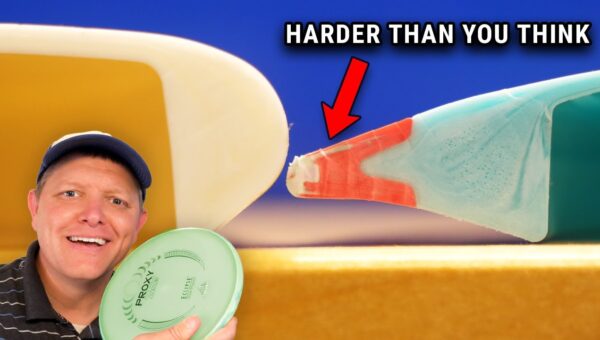
Disc Golf Discs: A Journey from Plastic to Flight
Explore the intricate manufacturing process behind disc golf discs at MVP Disc Sports. From raw plastic granules and advanced injection molding to robotic automation and artistic finishing, discover how these aerodynamic wonders are brought to life.