Nikole Hannah-Jones Warns of Autocratic Threat in DEI Ban
Pulitzer Prize winner Nikole Hannah-Jones warns that government crackdowns on Diversity, Equity, and Inclusion (DEI) initiatives echo tactics used in autocratic societies. She expressed deep concern over governmental restrictions on the use of terms like 'Black' and 'race,' deeming them a threat to free expression and societal progress.

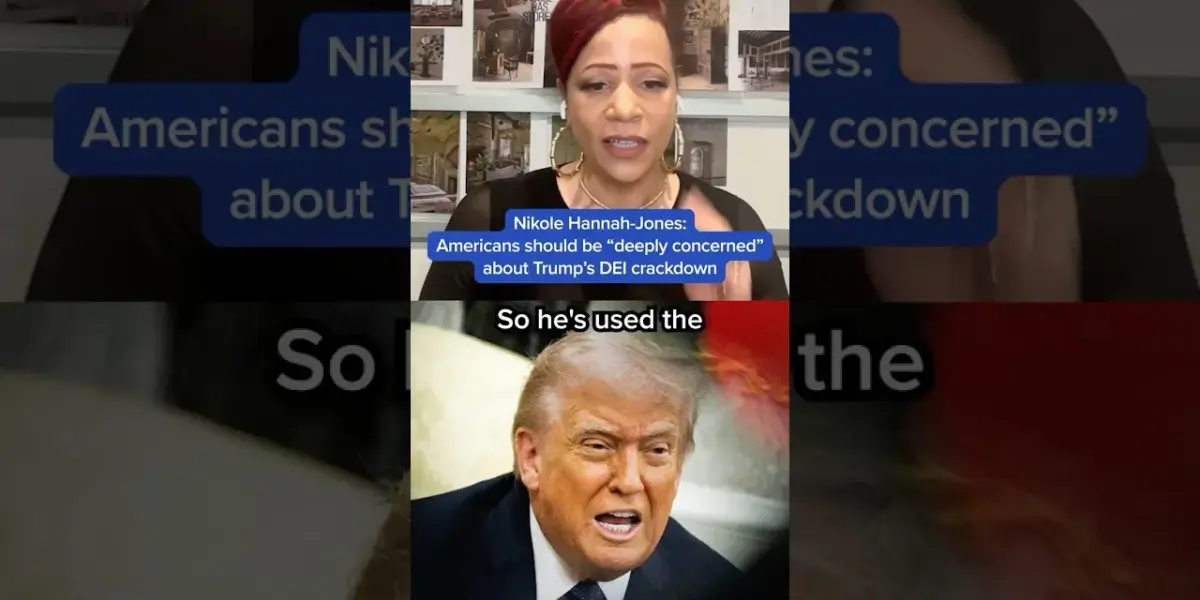
Journalist Nikole Hannah-Jones Sounds Alarm on DEI Crackdown
Pulitzer Prize-winning journalist Nikole Hannah-Jones has voiced significant concerns regarding the recent crackdowns on Diversity, Equity, and Inclusion (DEI) initiatives, particularly those associated with the Trump administration. Speaking on the latest episode of “Clock It with Symone and Eugene,” Hannah-Jones, the visionary behind “The 1619 Project,” characterized these actions as a worrying trend that mirrors the tactics employed by autocratic societies.
‘Deeply Concerned’ Over Government Overreach
Hannah-Jones articulated a stark warning, stating, “Even if you are a critic of these things, any of us should feel deeply concerned when the federal government or state governments are saying, you can’t use the term Black, you can’t use the term race.” This sentiment underscores her belief that such prohibitions represent a dangerous intrusion into freedom of expression and the acknowledgment of historical and societal realities.
The journalist elaborated on the implications of these governmental actions, suggesting that they move beyond policy disagreements into the realm of authoritarian control. “She says the Trump administration’s crackdown on DEI ‘is what you see under autocratic societies,'” the video description highlights, encapsulating her core argument. This comparison draws a direct line between restricting discussions and initiatives related to diversity and the suppression of dissent and diverse viewpoints characteristic of non-democratic regimes.
The Broader Implications of DEI Restrictions
The debate surrounding DEI initiatives has intensified across the United States, with various states and institutions implementing policies that limit or ban such programs. Critics of DEI often argue that these programs can lead to reverse discrimination or are divisive. However, proponents, including Hannah-Jones, contend that DEI efforts are crucial for addressing systemic inequalities and fostering inclusive environments in workplaces, educational institutions, and other sectors of society.
Hannah-Jones’s perspective, as presented in the video, suggests that the government’s involvement in dictating the terms of these discussions is particularly alarming. The ability to name and discuss concepts like race and Black identity is fundamental to understanding and addressing historical injustices and ongoing disparities. When governmental bodies attempt to prohibit such language, it can be interpreted as an effort to erase or minimize the significance of these issues, thereby hindering progress toward equality.
‘The 1619 Project’ and Historical Context
As the creator of “The 1619 Project,” which reframes American history by centering the consequences of slavery and the contributions of Black Americans, Hannah-Jones has a deep understanding of the importance of acknowledging and confronting uncomfortable truths about race and its role in shaping the nation. Her current concerns about DEI crackdowns can be seen as a continuation of her broader work to ensure a more complete and honest reckoning with American history and its present-day impact.
The project itself faced significant backlash, with some critics arguing it promotes a divisive narrative. However, its impact has also been profound, sparking national conversations about history, race, and identity. Hannah-Jones’s willingness to engage in these high-stakes debates, even when facing criticism, highlights her commitment to the principles of open discourse and historical accuracy.
Concerns Echoed by Experts
While the transcript is brief, Hannah-Jones’s statement aligns with broader concerns voiced by civil liberties advocates and academics who worry about the chilling effect such bans can have on academic freedom and the open discussion of social issues. The ability to use specific terminology is often tied to the ability to conduct research, teach, and engage in critical analysis of societal structures. Restricting language can inadvertently restrict thought and action.
What’s Next?
Nikole Hannah-Jones’s pointed remarks serve as a significant commentary on the current political climate surrounding DEI. As these crackdowns continue to be debated and implemented in various states and institutions, the public discourse will likely focus on the legal challenges, the practical impacts on organizations, and the broader implications for civil liberties and the pursuit of equality. Observers will be watching to see how these policies evolve and what further actions are taken by both proponents and opponents of DEI initiatives.
Source: Nikole Hannah-Jones: Americans should be 'deeply concerned' about Trump's DEI crackdown (YouTube)

Related Articles
Iran War Sparks Oil Surge, Economic Woes for Trump
The war in Iran has triggered a sharp rise in oil prices, threatening economic stability and posing a significant challenge for the Trump administration. As gas prices surge and a key jobs report shows a slowdown, the White House faces mounting pressure to address domestic concerns. Meanwhile, regional tensions escalate with an intensifying conflict in Lebanon and ongoing investigations into civilian casualties.


Veterans Sound Alarm: Trump Administration Escalates Undeclared War
Veterans are sounding the alarm on the Trump administration's approach to military engagements, arguing that a deliberate obfuscation of the term "war" is being used to bypass congressional oversight. This op-ed delves into the concerns of veterans, the abdication of congressional duty, and the human cost of undeclared conflicts.

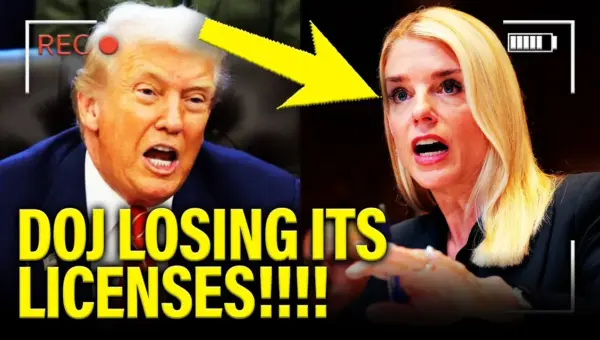
Trump DOJ’s Rule Change: Shielding Lawyers or Evading Accountability?
The Trump DOJ has proposed a new rule allowing it to primarily investigate its own attorneys for ethical violations, potentially bypassing state bar regulators. This move, seen by critics as an attempt to evade accountability, follows increased scrutiny of former administration lawyers.