New Motor Oil Standard Arrives: GF-7 Promises Better Engine Protection
The new ILSAC GF-7 motor oil standard is here, bringing tougher tests and better engine protection. This update focuses on preventing low-speed pre-ignition, keeping pistons cleaner, reducing chain wear, and improving fuel economy. Drivers of modern vehicles, especially turbocharged ones, will benefit from using GF-7 certified oils.

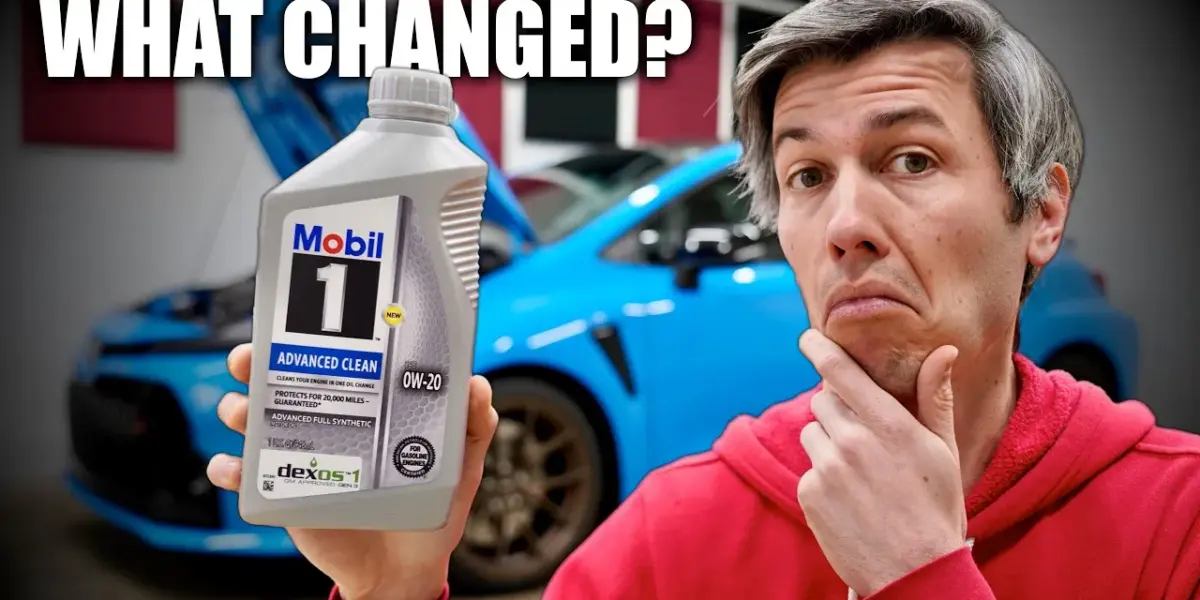
The Future of Engine Oil is Here: Meet GF-7
Say goodbye to the old and hello to the new. The world of motor oil is changing, and a new standard called ILSAC GF-7 is rolling out. This isn’t just a minor update; GF-7 brings tougher tests and higher expectations for how well oil protects your engine. If you’re looking at a bottle of oil, you’ll want to find this new GF-7 certification to know it meets the latest demands.
What’s New with GF-7? Four Key Improvements
The GF-7 standard focuses on four critical areas where oils need to perform better. These include protecting against low-speed pre-ignition (LSPI), keeping pistons cleaner, reducing wear on engine chains, and improving fuel economy. Oils meeting GF-7 are designed to offer more protection, keep your engine running cleaner, reduce wear, and help you save on gas.
Understanding LSPI: A Dangerous Engine Knock
Low-speed pre-ignition, or LSPI, is a serious issue for modern turbocharged engines. It happens when the fuel-air mixture in the engine ignites too early, before the spark plug fires. This causes a sudden, powerful pressure spike inside the cylinder. Imagine a tiny explosion happening at the wrong time; it can lead to damaging engine knocks. Normal combustion starts with a spark and a controlled burn. LSPI, however, creates uncontrolled pressure that can harm your engine’s internal parts.
To test for LSPI, engineers use a test called the Sequence 9. They use a 2-liter turbocharged engine and run it for many cycles, looking for these premature ignitions. The new GF-7 standard is stricter because it now requires oils to pass this test not just when they are new, but also after they have been used. This is important because studies show that some oil additives can break down over time, meaning an oil that performs well when new might not protect as well after thousands of miles. Testing used oil ensures it continues to offer the necessary protection.
Keeping Pistons Clean: Preventing Deposits
Over time, engines can build up deposits on the pistons. If these deposits get too thick, they can cause the piston rings to stick. When piston rings can’t move freely, gases can leak past them into the oil, a problem called blowby. This contaminates the oil and also causes the engine to lose power. Nobody wants that.
The Sequence 3H test checks how well an oil prevents these piston deposits. This test runs a 3.6-liter V6 engine under very hot and demanding conditions for 90 hours. The oil temperature is kept extremely high, much hotter than in normal driving. After the test, the pistons are rated for cleanliness. GF-7 requires a higher cleanliness rating than previous standards, meaning the oil must do a better job of keeping pistons clean. It also adds a rule against stuck piston rings and limits how much the oil’s thickness can change during use.
Fighting Chain Wear: Timing is Everything
Soot, a byproduct of incomplete fuel burning, can get into the engine oil. These tiny, hard soot particles can cause wear on the engine’s timing chain. The timing chain is crucial for making sure the engine’s valves open and close at the right time. If the chain wears out and stretches, it can throw off the engine’s timing, leading to poor performance.
The Sequence 10 test is designed to measure this. It uses the same 2-liter turbocharged engine from the LSPI test but is modified to create a lot of soot in the oil. The engine runs in cycles designed to produce soot, and then engineers measure how much the timing chain stretches. The GF-7 standard has tightened the limit on chain growth, meaning the oil must do a better job of preventing soot from causing wear on the timing chain.
Boosting Fuel Economy: Saving at the Pump
Engine oils also play a role in how much fuel your car uses. Oils that reduce friction inside the engine can help improve gas mileage. The Sequence 6E test measures how much fuel an oil can help save compared to a standard oil.
Under this test, oils are run under various engine speeds and temperatures. GF-7 requires a greater improvement in fuel economy compared to the previous GF-6 standard. This means GF-7 oils are engineered to offer even better fuel efficiency, potentially saving drivers money at the pump.
Who Needs GF-7 Oil?
If you drive a modern gasoline vehicle, especially one with a turbocharged engine or direct injection, you will benefit from using GF-7 oil. These engines are more complex and can be more sensitive to oil quality. While older cars might not strictly require it, using GF-7 oil will still offer enhanced protection and potentially better efficiency.
Value and Availability
While the video doesn’t specify pricing for GF-7 oils, new standards often come with a slight premium. However, the added protection against engine wear, the potential for improved fuel economy, and the extended life of engine components often make the investment worthwhile. Major brands like Mobil 1 are already producing GF-7 certified oils, and they should become widely available as manufacturers update their recommendations. Always check your car’s owner’s manual for the specific oil type recommended, but look for the GF-7 certification as it becomes the new benchmark for engine oil performance.
Source: Motor Oil Changed In 2025 – Here's What You Need To Know (YouTube)

Related Articles


Infiniti Bets Big on New SUV for US Comeback
Infiniti is launching a new mid-size SUV, the QX60, as a central part of its strategy to revive declining US sales. The brand has seen a 65% drop since 2017, making this US-built vehicle crucial for its future. Competitive pricing and new leadership aim to drive a projected 20% sales increase next fiscal year.


Audi RS3 Sedan Delivers Thrills, Unique Charm, and Refined Interior
The 2026 Audi RS3 sedan returns with a thrilling five-cylinder engine, updated interior, and sharper performance. While it commands a premium price, its unique character and engaging driving dynamics make it a standout choice for performance sedan enthusiasts.


New Honda Prelude Returns, But Does It Deliver?
The Honda Prelude returns as a stylish hybrid coupe, offering brisk performance and modern tech. However, its premium price tag and some interior quirks raise questions about its value proposition against its predecessors and modern rivals.