New Moon Age Dawns: Artemis II Fuels Future Space Race
Artemis II's successful return marks humanity's farthest journey from Earth in over 50 years, reigniting lunar exploration. The mission highlights engineering triumphs and sets the stage for future Moon bases, resource utilization, and a new era of space competition.

New Moon Age Dawns: Artemis II Fuels Future Space Race
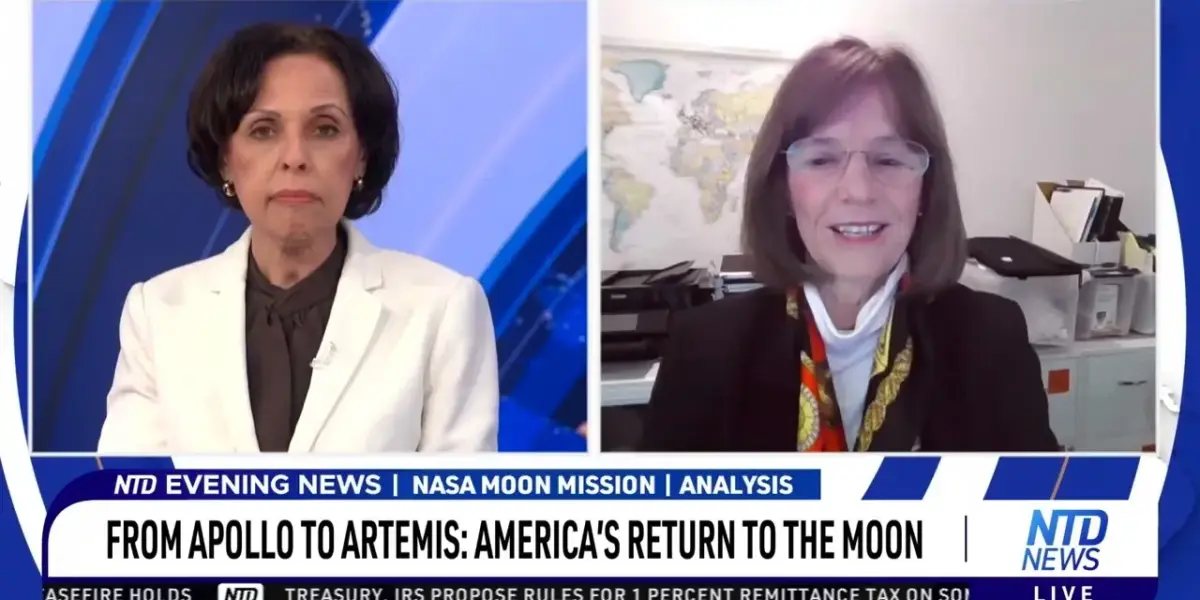
The recent Artemis II mission marked a historic moment in space exploration, sending humans farther from Earth than ever before in over 50 years. This 10-day journey, culminating in a textbook splashdown, has reignited excitement and debate about humanity’s future among the stars. Former NASA astronaut Dr. Bonnie Dunbar, a veteran of five space shuttle flights, shared her insights on the mission’s success and its profound implications.
A Mission of Many Firsts
Dr. Dunbar described the entire Artemis II mission as “excellent,” from its spectacular launch to the successful completion of its engineering and scientific goals. The mission was historic not only for being the first crewed flight beyond low Earth orbit since Apollo 17 but also for setting a new record for the farthest distance humans have traveled from our planet.
The greatest achievements, according to Dr. Dunbar, lie in the engineering of the new Orion spacecraft and the stunning photography captured to support future human missions to the Moon’s South Pole. “The destination may seem the same, the moon,” she noted, “but it’s never easy, and we’re laying the foundation for return with more humans and the establishment of a human base in the future around the South Pole.”
Echoes of Past Exploration
Dr. Dunbar drew a parallel between the current era and past ages of exploration, recalling her grandfather’s youth in Scotland, watching the ship ‘Discovery’ being built for Captain Robert Falcon Scott’s scientific mission to the South Pole over a century ago. Today, numerous nations operate research bases at the poles. “We’re sort of at that new age of exploration,” she stated, emphasizing the Moon’s importance not just for understanding Earth but as a crucial stepping stone for deeper space travel.
She expressed eagerness for upcoming missions like Artemis III, which will test more hardware and mission parameters needed for human landings. “For example, Artemis 3 next year will allow us to go to low Earth orbit again to test out some docking and mission parameters that will be required for the human mission,” she explained.
Engineering Marvels and Lingering Challenges
The journey wasn’t without its immense challenges. Dr. Dunbar highlighted the engineering feat of the heavy-lift rocket, which repurposed components from the space shuttle. A significant challenge was the spacecraft’s thermal protection system, an ablative shield that burns away at high temperatures, a design not used since the Apollo missions. Unlike the shuttle’s reusable ceramic tiles, this system requires replacement after each flight, reflecting the extreme conditions of re-entry.
Life support systems operating in microgravity and the complex trajectory planning for a “free return” to Earth also presented considerable hurdles. Dr. Dunbar praised the mission’s success as a testament to engineering, science, physics, mission management, and a “remarkable crew.”
Why Did It Take So Long?
The 50-year gap since humans last ventured near the Moon prompts questions about the slowdown in lunar exploration. Dr. Dunbar explained that after Apollo 17, public interest waned. “People were so used to us going to the moon that they were actually complaining that the photos from the moon were interfering with this new thing called TV serials,” she recalled. Congress, viewing the Moon as a “been there, done that” destination, reduced funding.
Funding for NASA has drastically decreased from about 4.4% of the federal budget during the Apollo era to less than 0.05% today. However, Dr. Dunbar pointed out that the investment in space exploration yields significant technological advancements that benefit society. “We wouldn’t have computers today had we not gone to the moon quite frankly and a lot of the new materials that we use,” she stated, emphasizing how space technology feeds back into the economy and improves our lives.
Unlocking Lunar Secrets and Resources
The Artemis II mission is expected to yield new scientific knowledge. Studying the far side of the Moon offers a pristine record of Earth’s history, untouched by oceans or plate tectonics. “The moon, in a vacuum, with no wind, is a recorder of about four and a half billion years of history,” Dr. Dunbar explained.
Furthermore, understanding the Moon’s geology and chemistry, believed to have formed from an impact with Earth, could unlock valuable resources. The potential for mining water ice in permanently shadowed craters at the South Pole is significant. This ice could supply future habitats with drinking water and be broken down into hydrogen and oxygen for rocket fuel.
The Moon also holds minerals like Helium-3, a potential fuel for future fusion reactors, and other materials that could be processed in situ, a concept known as in-situ resource utilization (ISRU). This prospect is fueling the development of a lunar economy, attracting interest from companies and nations alike.
The New Space Race
The renewed focus on lunar exploration occurs against the backdrop of a global space race. China, for example, aims to land astronauts on the Moon by 2030, a goal evident in their mission control center murals visited by Dr. Dunbar in 2014. This competition is driven by economic and geopolitical factors.
Other nations, including Japan and India, are also actively involved in lunar exploration with robotic missions. The scientific discoveries and potential resource utilization make the Moon a focal point for international interest and development.
A Stepping Stone to the Future
The success of Artemis II is more than just a return to lunar vicinity; it’s a vital step toward establishing a sustained human presence beyond Earth. The mission’s accomplishments pave the way for future landings and the potential for long-term lunar bases. As Dr. Dunbar concluded, “We’re at a new age of exploration,” and the Moon is our next frontier.
The destination may seem the same, the moon. But it’s never easy, and we’re laying the foundation for return with more humans and the establishment of a human base in the future around the South Pole.
Why This Matters
The Artemis II mission signifies a crucial turning point. It demonstrates that sustained human presence beyond Earth orbit is achievable with current technology, albeit with significant engineering challenges. The mission’s success is not just about planting flags; it’s about scientific discovery, resource acquisition, and the potential for economic development beyond our planet. The renewed interest and investment in lunar exploration, driven by both scientific curiosity and geopolitical competition, highlight the Moon’s growing importance as a strategic location. This era of exploration promises to yield technologies and knowledge that will not only advance our understanding of the cosmos but also bring tangible benefits back to Earth, much like the Apollo program did decades ago.
Looking Ahead
With Artemis III planned for a lunar landing, the focus shifts from reaching the Moon’s vicinity to establishing a foothold. Future missions will continue to test critical systems, explore lunar resources, and prepare for longer-duration stays. The data gathered from Artemis II will be invaluable for these upcoming endeavors. The implications of this sustained push toward the Moon are vast, potentially leading to new scientific breakthroughs, economic opportunities, and a deeper understanding of our place in the universe. The journey has just begun.
Source: ‘We're at a New Age of Exploration’: Former NASA Astronaut on Artemis II Success (YouTube)

Related Articles


Artemis II Astronauts Share Moon Journey; NYC Machete Attack; Iran Peace Talks
Astronauts from the Artemis II mission shared their experiences after returning from their historic journey around the moon. Meanwhile, New York City is investigating a shocking machete attack on a subway platform. High-stakes peace talks are also underway between U.S. and Iranian officials aimed at ending a major regional conflict.

Astronaut Warns: Moon Return Dangers Threaten NASA’s Future
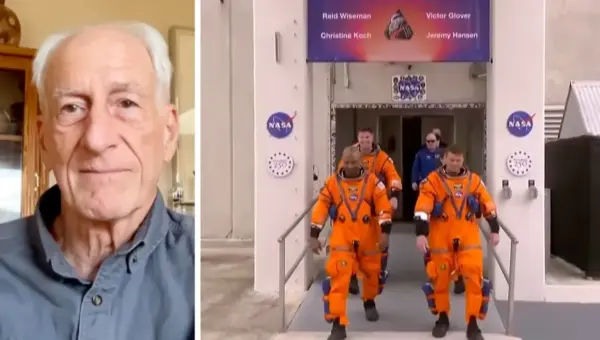
Former astronaut Jeffrey A. Hoffman highlights the extreme dangers of the Artemis II reentry. This critical phase is vital for NASA's future plans to return humans to the Moon and beyond.


US Space Leadership: Artemis Mission Fuels Future Dominance
The Artemis 2 crew's historic return from the moon highlights the critical importance of U.S. leadership in space. Congressman Jay Obernolte discusses how space technology impacts geopolitics, economics, and inspires future generations, emphasizing the necessity of continued investment and public-private partnerships.