New ‘Gob Health’ Test Promises Healthier Teeth, But Is It Worth It?
A new 'gob health' trend offers detailed mouth microbiome analysis and personalized probiotics for £300, aiming to prevent dental issues. While the test is simple, some question its high cost and the potential for upselling expensive treatments by the dental industry.

New ‘Gob Health’ Test Promises Healthier Teeth, But Is It Worth It?
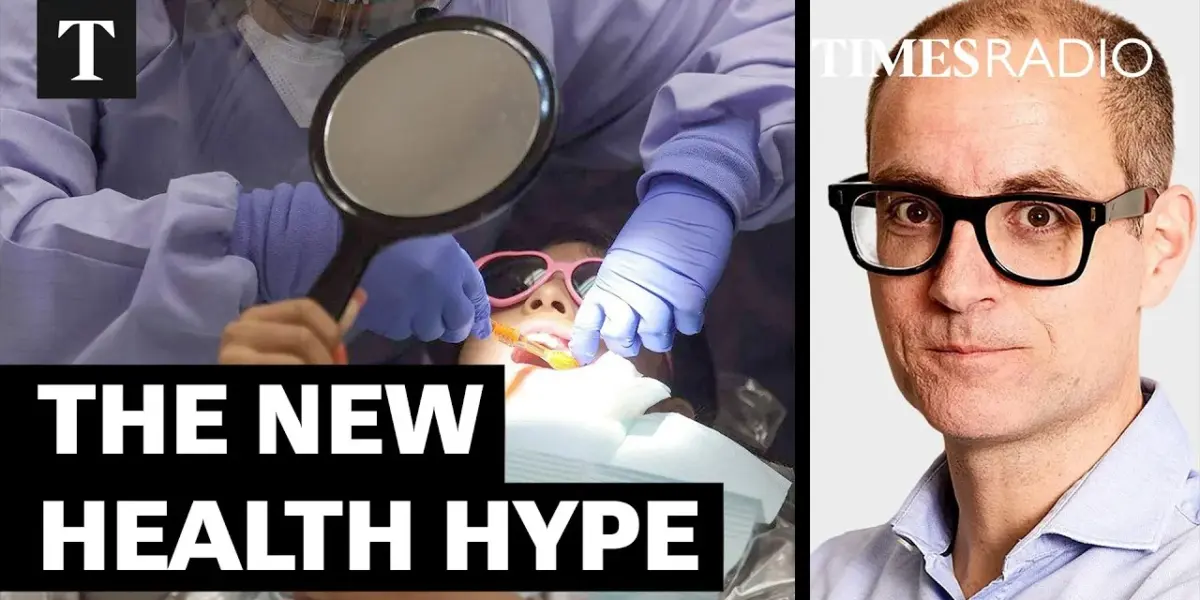
A new trend called ‘gob health’ is emerging in private dental practices, offering a detailed analysis of your mouth’s bacteria with the promise of personalized treatments. For £300, patients receive a 12-page report and tailored probiotics aimed at preventing gum disease and cavities, potentially avoiding costly dental work like drills and fillings. However, some experts and patients are questioning the value and cost of these advanced tests, wondering if they offer genuine benefits or just another way to spend money on health trends.
What is ‘Gob Health’?
The concept of ‘gob health’ focuses on the microbiome within your mouth. It’s a step beyond the traditional focus on hygiene and diet, delving into the complex world of bacteria, viruses, and fungi that live there. A handful of private dentists are now offering a test that analyzes these elements, comparing your mouth’s unique profile to national averages.
The Test: Simple Spit, Complex Results
The test itself is surprisingly simple. All it requires is for a patient to spit into a tube. This sample is then sent to a lab for analysis. Proponents of the test believe that in the future, similar spit-based tests could be used by general practitioners to screen for a range of health issues, from heart disease to Alzheimer’s and diabetes, making health checks more accessible.
For now, the focus remains on oral health. After the initial £300 cost for the test, patients might face additional expenses for recommended treatments. These can include specialized mouthwashes, probiotics, and other oral care products designed to address specific findings in the report. The total cost can add up, especially when combined with regular dental check-ups, which can also be expensive.
Personalized Insights and Lingering Doubts
Harry Wallop, a columnist who underwent the test, shared his experience. His report indicated low levels of ‘good’ bacteria and high levels of certain ‘bad’ bacteria, a finding that resonated with his personal history of dental problems, including the need for two implants in two years. He expressed frustration over spending a significant amount on dental work, hoping this test could uncover the root cause.
The test did reveal a potentially interesting detail: the presence of a bacteria called Prevotella. This bacteria can make the mouth more acidic, increasing the risk of cavities, even with a diet that isn’t excessively high in sugar. Wallop noted that this information was valuable, suggesting that certain mints could help neutralize this effect after eating.
Treatment Plans and Industry Skepticism
The prescribed treatments following the ‘gob health’ test can include daily probiotics, specialized mouthwashes, and neutralizing mints. Wallop received a three-week course of mouthwash intended to target bad bacteria and reduce inflammation. While he acknowledged that these interventions aren’t overly burdensome or expensive on their own, he expressed skepticism about the broader implications.
“I do slightly suspect this is just the dental industry in cahoots with big mouthwash wanting to sell us, you know, fancy mouthwash,” Wallop admitted. He worries that such tests could lead individuals into a ‘doom loop’ of constant testing, extensive reports, and costly follow-up treatments, potentially becoming an obsessive and time-consuming part of life.
When Tests Truly Help: A Cardiologist’s Advice
Wallop contrasted the ‘gob health’ test with another health experience. After a full-body MRI scan for journalistic purposes, a cardiologist recommended he take statins due to a moderately elevated risk of heart attack. This advice, backed by the fact that many cardiologists take statins themselves regardless of their own cholesterol levels, struck Wallop as genuinely useful. The daily pill is inexpensive and could significantly reduce his long-term risk.
This comparison highlights a key debate: while some health tests and interventions offer clear, life-saving benefits for a relatively low cost, others, like the ‘gob health’ test, may be more about capitalizing on health anxieties and selling expensive products. The line between proactive health management and unnecessary expenditure can be blurry.
Looking Ahead
As ‘gob health’ tests become more available, consumers will need to weigh the potential benefits against the significant costs and the risk of obsessive health tracking. Further research and long-term studies will be crucial to determine if these advanced oral microbiome analyses truly lead to better dental health outcomes or if they are simply the latest trend in a growing wellness market. Patients are advised to discuss the necessity and potential value of such tests with their trusted dental professionals.
Source: Inside The £300 ‘Gob Health’ Test Promising To Fix Your Teeth | Harry Wallop (YouTube)

Related Articles


Parkinson’s Cases Surge, New Hope Emerges
Parkinson's disease cases have surged by 50% in 30 years, with predictions of doubling by 2040. Rebecca King Crews's recent non-invasive surgery offers new hope. Experts stress lifestyle changes for prevention amidst rising global health concerns.


Boost Your Gut Health with Probiotics and Garlic
Discover simple, natural ways to boost your gut health with garlic and probiotics. Learn about the benefits of these foods and get advice on choosing supplements wisely. Always consult your doctor for personalized health guidance.


Vabbing Trend: Medical Experts Debunk Pheromone Claims
Explore the vabbing trend: medical experts debunk claims of human pheromones and highlight potential health risks. Discover why confidence boosts are likely placebo effects and when to seek professional help.