New DHS Chief Tours Disaster Zone, Eyes Border Policy
Homeland Security Secretary Markwayne Mullin's first regional visit focused on hurricane recovery in North Carolina and potential changes to Customs and Border Protection staffing in sanctuary cities. The trip highlighted the dual challenges of disaster response and immigration enforcement, as well as administrative gaps within FEMA.


New DHS Chief Tours Disaster Zone, Eyes Border Policy
Mullin’s First Regional Visit Focuses on Hurricane Recovery and Immigration Challenges
Newly appointed Homeland Security Secretary Markwayne Mullin recently made his first official regional visit since taking the helm of the Department of Homeland Security (DHS). His trip took him to North Carolina, a state still recovering from the devastating Hurricane Helene in 2024. This visit, however, also provided an opportunity to address pressing immigration issues, specifically concerning Customs and Border Protection (CBP) staffing and the impact on international travel.
During his tour of disaster-stricken areas, Secretary Mullin spoke with Ali Bradley of “Bradley on the Border.” The conversation touched upon the delicate balance between disaster relief efforts and the ongoing challenges at the nation’s borders. Mullin’s presence in North Carolina highlights the dual responsibilities of DHS: responding to natural disasters and enforcing immigration laws.
Sanctuary Cities and Border Staffing Under Scrutiny
A key topic discussed was the potential impact of proposed changes to CBP staffing in areas designated as “sanctuary cities.” These cities often have policies that limit cooperation with federal immigration enforcement. Critics argue that shifting CBP resources to these areas could weaken border security and disrupt the flow of international travelers. Supporters of such changes suggest they are necessary to address specific border security challenges and ensure the efficient processing of individuals.
The debate over sanctuary cities is not new. These policies have been a point of contention for years, with differing views on their legality and effectiveness. The current administration’s focus on these areas signals a potential shift in how federal immigration resources are allocated. This could have significant implications for both border communities and major international gateways.
FEMA’s Role and Administrative Gaps
The visit also brought attention to the Federal Emergency Management Agency (FEMA), an agency within DHS. Questions arose about FEMA employees being paid and the backlog of paychecks, indicating potential administrative challenges within the agency responsible for disaster response. The discussion also touched upon the need for FEMA reform to improve efficiency and responsiveness during crises.
A significant point of concern was the absence of a Senate-confirmed administrator for FEMA. This administrative gap can hinder the agency’s ability to operate at full capacity and make critical decisions, especially during large-scale emergencies. The nomination and confirmation process for such key positions are vital for the smooth functioning of government agencies.
Resident Concerns and Broader Immigration Debate
The visit provided a platform for residents to voice their concerns, likely related to both hurricane recovery and broader issues of immigration and border security. Understanding the perspectives of those directly affected by disasters and immigration policies is crucial for effective governance.
The conversations also briefly touched upon past discussions with former President Donald Trump, suggesting a connection to ongoing political dialogues surrounding immigration policy. This indicates that the current administration’s approach is being viewed through the lens of previous policies and potential future directions.
Global Impact
Why This Reshapes the World Order
Secretary Mullin’s first regional visit, blending disaster recovery with immigration policy, underscores the complex challenges facing the Department of Homeland Security. The focus on sanctuary cities and CBP staffing highlights a potential recalibration of border enforcement strategies. This could influence international travel, trade, and the perception of U.S. immigration policies globally. The administrative issues at FEMA also point to the need for stable leadership and efficient operations, especially as the U.S. faces increasing natural disasters and ongoing migration pressures.
Historically, the U.S. has navigated complex immigration systems and disaster responses. However, the current environment, marked by heightened border activity and the growing impact of climate change on weather events, presents unique challenges. The decisions made by DHS leadership regarding resource allocation and policy implementation will have ripple effects far beyond the immediate border regions. They will shape international perceptions of U.S. security and humanitarian commitments.
The economic implications are also significant. Disruptions at the border can affect trade flows, while efficient disaster response is crucial for economic recovery. The ongoing debate over sanctuary cities and staffing levels directly impacts the resources available for managing both security and humanitarian concerns. The effectiveness of DHS under Secretary Mullin will be a key indicator of the nation’s ability to manage these interconnected issues.
Future Scenarios
One possible scenario is an increased federal focus on enforcing immigration laws in sanctuary cities, potentially leading to more federal-local friction but also a perceived tightening of border controls. Another is a continued emphasis on disaster response, with immigration policy adjustments made more gradually. A less likely scenario involves a significant bipartisan agreement on immigration reform, which could alter the landscape of CBP staffing and sanctuary city policies entirely.
Source: Mullin in the hot seat: DHS secretary's first trip since replacing Noem | Bradley on the Border (YouTube)

Related Articles

US Pilot’s Daring Rescue Spurs Iran Ceasefire Talks
A U.S. pilot's daring rescue from Iran has paved the way for ceasefire talks, highlighting geopolitical tensions and diplomatic efforts. Domestically, the week saw continued focus on border security, support for crime victims, and legislative wins against online exploitation.

Victims’ Voices Demand Action on Immigration Crime
A year after its relaunch, the VOICE program highlights the human cost of crimes by undocumented immigrants. The discussion reveals deep divisions on how to address these tragedies and fix a broken immigration system, with calls for accountability clashing with debates over mass deportation and pathways to citizenship.

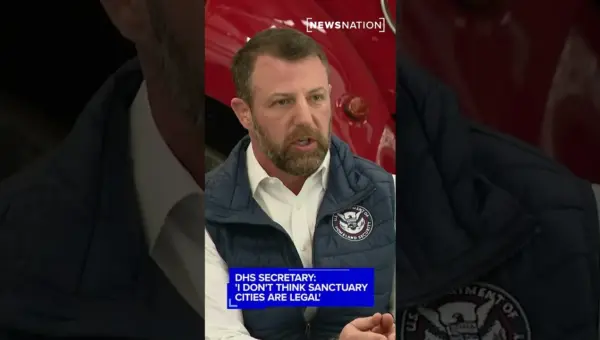
US Eyes Border Patrol Shift Amidst City Clash
U.S. Homeland Security Secretary Alejandro Mayorkas is considering redirecting border patrol resources away from sanctuary cities that don't enforce immigration laws. He expressed doubt about the legality of these cities and cited funding concerns for border operations. This potential shift could significantly alter federal-local cooperation on immigration.