New DHS Chief Tackles Storm Recovery
Homeland Security Secretary Markwayne Mullin visited storm-devastated North Carolina, highlighting FEMA's $103 million recovery aid. The trip focused on rebuilding critical infrastructure and streamlining federal support to local communities after Hurricanes Helene and Florence.

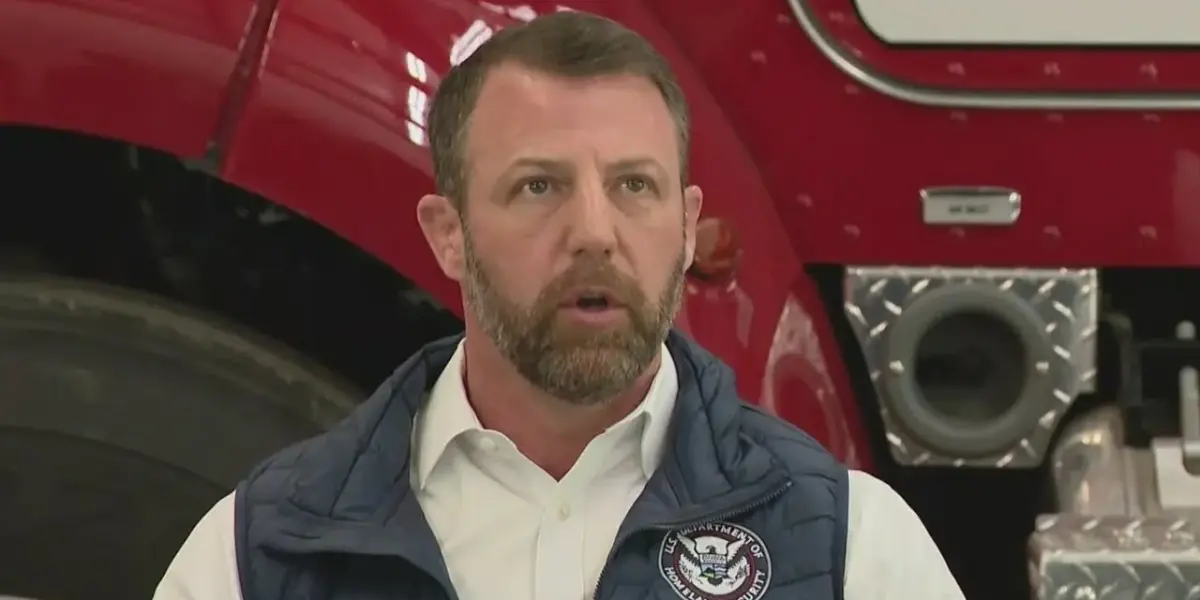
New DHS Chief Tackles Storm Recovery in North Carolina
Homeland Security Secretary Markwayne Mullin recently visited storm-ravaged western North Carolina. His trip focused on the ongoing recovery efforts after Hurricanes Helene and Florence. These storms hit the region about 18 months ago. They left a trail of destruction, impacting over 1,100 people and causing massive damage.
FEMA’s Role in Rebuilding
Secretary Mullin’s visit highlighted the Federal Emergency Management Agency’s (FEMA) crucial role. FEMA is providing significant support to help communities rebuild. The agency recently announced over $103 million in new funding for recovery efforts in North Carolina. This money will support more than 50 projects. These projects aim to rebuild and protect important infrastructure damaged by Hurricane Helene. The hurricane alone caused 100 deaths a year and a half ago.
Governor’s Call for Federal Attention
North Carolina Governor Josh Stein had asked federal leaders to see the damage firsthand. He noted that communities face a long road to recovery, even after the news cameras leave. While Governor Stein could not attend the event, Secretary Mullin confirmed they spoke at length. This shows a commitment to understanding the local needs.
Signs of Progress and Local Needs
In towns like Lake Lure, which were left in ruins, leaders are starting to see progress. The resealing of the lake is expected to open in a few weeks, offering a sign of hope. Community leaders are also asking for rebuilding to happen without unnecessary delays or red tape. Issues like new flood plain regulations can slow down recovery efforts.
Secretary Mullin’s Commitment
Secretary Mullin expressed a commitment to rebuilding. He mentioned discussions with the President about getting federal funds to states more quickly. The goal is to make the money more effective. He noted that when federal money goes directly to states and local contractors, more of it stays in the local economy. This is because local contracts can often be more cost-effective than federal ones. He also mentioned reducing the amount of paperwork required for federal aid.
Mullin stated, “The President wants to know, said we want to make sure we get into the state faster and not with this team and being a first responder. But look at FEMA’s supporting the first responders.” This suggests a focus on streamlining the process and empowering local response efforts.
Reforming FEMA
The Secretary also discussed reforming FEMA. This is not about getting rid of the agency, but about making changes to improve its operations. He visited Chimney Rock and Lake Lure. There, he held discussions with community leaders, first responders, and FEMA members. These meetings aimed to address the pressing needs in the area.
The Ongoing Need
The reporter emphasized that the need in these communities remains dramatic. Even after the initial crisis passes and media attention fades, people are still rebuilding their lives. News Nation plans to continue covering these stories, showing that the challenges faced by these communities are long-term.
Global Impact
While this event focuses on domestic recovery, it touches on broader themes in international affairs. Government responses to natural disasters highlight a nation’s capacity and priorities. The efficient distribution of aid and resources is key to stability. This can influence public trust in government and its ability to manage crises. Lessons learned in disaster response can also inform how countries collaborate internationally during global emergencies.
Historical Context
The federal government’s role in disaster relief has evolved significantly over time. Following major disasters like the 1906 San Francisco earthquake or Hurricane Katrina in 2005, the scope of federal involvement has grown. FEMA itself was established in 1979 to centralize federal disaster relief efforts. The current administration’s focus on streamlining aid delivery and empowering local responses echoes past discussions about federalism and the balance of power between national and state governments in managing crises.
Economic Leverage
The $103 million in FEMA funding represents a significant economic injection into the affected region. This aid is crucial for local economies, supporting jobs in construction and related industries. The efficiency of this funding distribution impacts not just the speed of recovery but also the long-term economic health of the area. Delays or inefficiencies can prolong economic hardship.
Future Scenarios
One scenario is that the proposed reforms to FEMA will successfully speed up aid delivery, leading to faster community rebuilding. Another possibility is that bureaucratic hurdles will persist, slowing down recovery despite the new funding. The political will to enact meaningful reform will be a key factor in determining the outcome. Continued media attention, like that from News Nation, can help ensure accountability and sustained focus on the recovery process.
Source: DHS Secretary Mullin visits storm-ravaged North Carolina | NewsNation Live (YouTube)

Related Articles

Iran’s Proxies Quiet on US Homeland: A Strategic Puzzle
Despite ongoing conflict, Iran and its proxies have largely refrained from launching major attacks on U.S. soil. This analysis explores the reasons behind this quiet, examining the Houthi movement's reduced activity, the rise of new threats in Europe, and Iran's strategic calculation to pressure the U.S. economically rather than through direct assault.


Small Business Rises From Disaster’s Wake
After a devastating hurricane flooded his factory, sneaker founder Justin James nearly lost everything. But a remarkable show of support from dozens of rival shoemakers, raising $100,000, gave him the strength to rebuild. The story highlights community resilience and the vital role of small businesses in disaster recovery.


NYPD Monitors Global Threats to Protect NYC
The NYPD's intelligence division is using a unique global liaison program to monitor international threats and protect New York City. Officers stationed in 16 cities worldwide gather real-time intelligence on incidents ranging from terror attacks to acts of vandalism, feeding crucial information back to headquarters. This proactive approach is seen as vital in the current volatile global security climate.