New Definition Targets Anti-Muslim Hostility, Excludes Racism
A new definition of anti-Muslim hostility, developed by Dominic Grieve, aims to provide a clear framework for institutions without being legally binding. It distinguishes prejudice against Muslims as a religious group from racism, emphasizing the intent to stir up hatred over criticism of religious practices. While concerns about potential misuse exist, proponents argue it's a necessary tool to combat increasing abuse and maintain social cohesion.

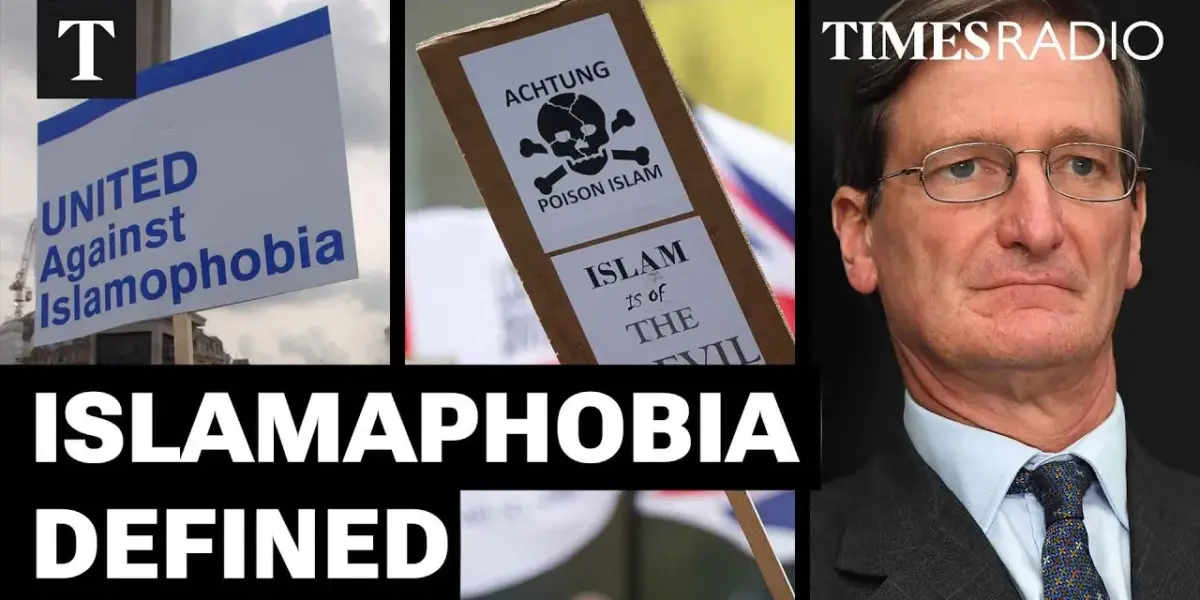
New Framework Aims to Define and Combat Anti-Muslim Hostility
A new, non-legally binding definition of anti-Muslim hostility has been developed to provide a framework for identifying and addressing the increasing prevalence of such issues in the UK. The initiative, spearheaded by Dominic Grieve, aims to offer a clear tool for institutions and government bodies, moving away from potentially problematic terms like “racism” when describing prejudice against Muslims.
Distinguishing Religion from Race
Dominic Grieve emphasized a crucial distinction at the heart of the new definition: “A religion is not a race. Islam is a universal religion. And I think the use of the word racism is unhelpful and indeed counterproductive.” He argued that while many Muslims face racism due to their ethnic background, applying the label of “racism” to a religious group is inaccurate and potentially hinders effective action. The definition carefully avoids conflating religious prejudice with racial discrimination.
Purpose and Practical Application of the Definition
While not legally binding, the definition is intended as a practical tool. “It’s a tool to enable government and those who want to refer to it to have a framework in which they can identify uh and try to address anti-Muslim hostility uh in this country which is undoubtedly becoming more prevalent,” Grieve explained. He acknowledged that those already hostile to Muslims would likely not adopt the definition, but stressed that the goal is to change behavior and provide a clear standard for institutions.
“If you can’t define the problem, you can’t address it.”
Dominic Grieve
The definition seeks to address concerns that existing definitions of anti-Muslim hatred or Islamophobia might inadvertently restrict freedom of expression. The new framework is designed to distinguish between legitimate criticism of Islam or cultural practices associated with Muslims, and the deliberate stirring up of hatred against people based on negative stereotypes.
Defining the Threshold: What Constitutes Hostility?
The definition outlines specific behaviors that would cross the threshold of anti-Muslim hostility. Two paragraphs focus on criminal activity or unlawful intentional discrimination. A key element is the middle paragraph, which addresses “prejudicial stereotyping of Muslims or people perceived to be Muslims and treating them as a collective group defined by fixed and negative characteristics.”
Grieve provided an example: “If I were to say that uh quite apart from the fact I dislike Islam and the culture of Muslims, I think that Muslims or individual Muslims should be hated irrespective of their actual opinions, beliefs or actions. and try to stir up hatred against them. That would be caught.” He clarified that such behavior, even if not a criminal offense, would warrant institutional intervention, such as an employer calling the individual in to address the unacceptable conduct.
When pressed for concrete examples of workplace transgressions, Grieve confirmed that evidence was taken during the working group’s inquiries which indicated such occurrences. “I’m afraid yes. And I also… in the course of our the evidence we took, we had plenty of people who said that the casual abuse of Muslims, irrespective of their actual views, is becoming a very prevalent phenomenon in” society, he stated. This highlights the real-world need for a clearer definition to address such issues.
Addressing Concerns of Misuse and Free Speech
Concerns have been raised that the definition could be misused by extremists to deflect scrutiny or by individuals to stifle legitimate debate. John Woodcock, former anti-extremism tsar, expressed worries that the definition, lacking statutory force, could become a platform for arguments within institutions, potentially leading to “chaos and contestation.”
Grieve acknowledged these potential risks, stating, “I can’t rule out that anything could be used by malevolent people and try to twist it.” However, he expressed confidence that the definition would not lead to widespread misuse, drawing a parallel with the anti-semitism definition, which has proven to be useful. He believes the new framework offers advantages over existing, potentially more problematic definitions.
A specific point of contention has been the inclusion of “racism” in previous definitions of Islamophobia, such as one circulated by an all-party parliamentary group. Grieve explicitly rejected this, stating, “There was never a definition which had the word racism in it” in his work, and that the term “Islamophobia” itself can be problematic, sometimes implying an irrational fear rather than hatred, which could stifle legitimate debate.
Balancing Social Cohesion and Security Threats
The discussion also touched upon the government’s social cohesion strategy, which identifies Islamist radicalism as the most pressing threat. The question arose whether focusing on anti-Muslim hostility might divert attention from this primary threat.
Grieve argued that these issues are interconnected: “Islamist radicalism will grow if we also have an alienated general Muslim community who feel got at to the point where they actually feel a persecution complex.” He believes that addressing both the threat of Islamist radicalism and the real and significant abuse faced by Muslims in their daily lives is crucial for maintaining social cohesion. “Tackling those two things together is perfectly correct,” he concluded.
Source: Why Anti-Muslim Hate Definition Doesn't Include Racism | Dominic Grieve (YouTube)

Related Articles


MAGA Youth’s Toxic Texts Expose GOP’s Deep-Seated Extremism
Leaked texts from young Miami GOP members reveal rampant antisemitism, racism, and violent fantasies, raising alarm about the future of the Republican party. The content, including the use of slurs and Nazi ideology, highlights a disturbing trend among the party's emerging leaders.


China Benefits as US Gets Bogged Down in Global Conflicts
China may be benefiting from US involvement in global conflicts, allowing Beijing to focus on domestic priorities. Meanwhile, concerns are rising about China's aggressive espionage activities and the need for proactive defense measures. The discussion also touches on generational shifts in views on gender equality and the decline of small talk.

Iran Regime ‘Dug In’ for Long War Amid Shifting US Aims
Iran is preparing for a long-term conflict, digging in its heels despite shifting U.S. objectives and potential calls for de-escalation. Analysts warn of increased regional instability and a potential push for nuclear weapons under the new leadership.