Netflix Eyes Warner Bros. in Landmark $82.7B Streaming Deal
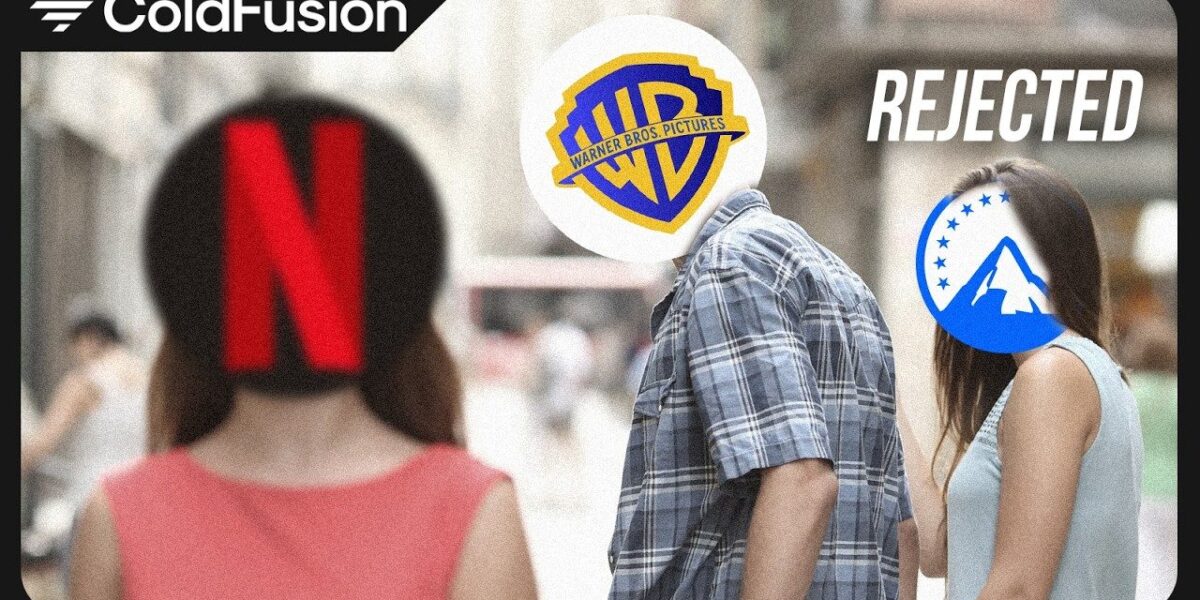
Netflix is poised to acquire Warner Bros. film and TV studios, HBO, and HBO Max for $82.7 billion. The landmark deal faces intense scrutiny from regulators and Hollywood, with concerns over monopolistic power, job cuts, and the future of theatrical releases. A competing hostile takeover bid from Paramount Skyance has also added to the drama.

Netflix Eyes Warner Bros. in Landmark $82.7B Streaming Deal
In a move that could redefine the entertainment landscape, Netflix has reportedly agreed to acquire Warner Bros. film and television studios, along with the HBO streaming service and its associated content, for a staggering $82.7 billion, including debt. This monumental acquisition, announced via a press release on December 5th, 2025, would see Netflix, the world’s leading streaming giant, absorb a significant portion of a historic Hollywood studio’s assets, including iconic franchises like Batman, The Sopranos, and Game of Thrones.
A Bold Ambition: Becoming HBO Faster
The ambition behind this deal echoes sentiments expressed by Netflix executive Ted Sarandos back in 2013. At the time, Sarandos stated Netflix’s goal was to “become HBO faster than HBO can become us.” Twelve years later, this acquisition suggests Netflix is making a decisive play to achieve that very objective, potentially eclipsing its long-standing rival.
Warner Bros.’ Rich Legacy and Recent History
Warner Bros., founded in 1923, is a titan of 20th-century media, known for its iconic logo and a vast library of beloved films and television shows. Its significance was further amplified by its 2022 merger with Discovery, bringing entities such as the Harry Potter franchise, DC Studios, CNN, and Cartoon Network under its umbrella. Netflix, in contrast, began its journey in 1997 as a DVD-by-mail service, famously rejected by Blockbuster Video.
The Deal’s Scope and Potential Implications
Under the terms of the proposed acquisition, Netflix would gain access to Warner Bros.’ extensive film and TV libraries, production capabilities, and distribution networks. Crucially, it would also absorb HBO Max, a major competitor in the streaming space. However, the deal explicitly excludes CNN, Cartoon Network, Discovery Plus, and Adult Swim. Netflix stated that the integration of HBO and HBO Max content would offer members “even more high-quality titles” and optimize viewing options.
The press release also highlighted potential benefits such as “more choice and greater value for consumers, create more opportunities for the creative community, and generate shareholder value.” Yet, the emphasis on “generating shareholder value” raises concerns. Historically, when a company prioritizes this metric, consumers can face negative consequences, such as increased prices or reduced service quality. This has been observed with Netflix’s own recent history, including subscription price hikes, the introduction of an advertising tier, and the discontinuation of password sharing following a stock market downturn in March 2022.
Hollywood’s Reaction and Regulatory Hurdles
The news has sent ripples of panic through Hollywood. Regulators are reportedly scrutinizing the deal, and there’s a palpable fear that consumers could ultimately bear the brunt of this consolidation. The potential for significant job cuts is also a major concern, as mergers of this scale within Warner Bros. have historically led to workforce reductions, with Netflix anticipating $2 to $3 billion in savings from this acquisition.
Beyond the immediate financial and operational impacts, the deal is viewed as a potential inflection point for the industry. Some observers worry that this signifies a trend of big tech entities absorbing traditional media, with Netflix potentially swallowing Hollywood. While Netflix could theoretically inject new life into the industry by supporting riskier creative projects, there’s also a significant fear that it could undermine traditional cinema.
Concerns Over Theatrical Releases
Anonymous movie producers have voiced strong opposition, arguing that Netflix has “no incentive to support theatrical exhibition, and they have every incentive to kill it.” This fear is fueled by past statements from Netflix CEO Ted Sarandos, who has referred to the theatrical release model as “outmoded” and predicted that audiences would prefer watching movies at home. If investor pressure leads Warner Bros. studios to prioritize streaming over theatrical releases, it could be a devastating blow to cinemas and the broader movie-going experience.
Paramount’s Hostile Takeover Bid
Adding another layer of drama, Paramount Skyance, backed by the Ellison family (owners of Oracle), launched a hostile takeover bid for Warner Bros. This bid, reportedly offering shareholders $17.6 billion more than Netflix’s deal, was an attempt to circumvent Warner Bros.’ management and appeal directly to shareholders. The bid included financing from Middle Eastern sovereign wealth funds, raising eyebrows about potential foreign ownership of entities like CNN. Paramount valued Warner Bros. at $108.4 billion with an all-cash offer of $30 per share.
However, in mid-December, the Warner Bros. board officially rejected Paramount’s bid, citing concerns over its aggressive, disorganized nature and potential financial risks. Despite the board’s rejection, the ultimate decision rests with Warner Bros. shareholders, with a vote anticipated months away.
Monopoly Concerns and Regulatory Scrutiny
The potential for monopolistic power is a primary concern for regulators. Netflix, already boasting 300 million subscribers, would gain an immense amount of intellectual property and content. This consolidation could grant Netflix significant control over subscription pricing, content licensing, and distribution, making it exceedingly difficult for rival streaming services and smaller content creators to compete. Organizations like the Writers Guild of America have vehemently opposed the merger, arguing it would “eliminate jobs, push down wages, worsen conditions for all entertainment workers, raise prices for consumers, and reduce the volume and density of content for all viewers.” Antitrust laws were precisely designed to prevent such concentration of power.
A Contentious Future
The outcome of this potential merger remains uncertain. Netflix has expressed high confidence in securing regulatory approval, but significant resistance is expected. The deal includes a $5.8 billion breakup fee for Netflix if the acquisition fails, and Warner Bros. would owe Netflix $2.8 billion if the deal is called off. Regardless of the final decision, the industry is bracing for significant changes, with potential impacts on consumer costs, creative opportunities, and the very nature of content consumption.
Source: The Netflix Situations Keeps Getting Messier (YouTube)

Related Articles


Worst Performances: Stars Who Flopped Hard
From Dane Cook's smugness to Jared Leto's bizarre Joker, Watch Mojo's list of the 20 worst performances by controversial actors highlights cinematic stumbles. See which stars landed on the wrong side of critical acclaim and audience reception.


Hollywood’s Unfair Takedowns: Stars Who Deserve More
From Winona Ryder's shoplifting scandal to Britney Spears' conservatorship battle, this article delves into the unfair career downfalls of celebrities who faced disproportionate backlash, industry retaliation, or predatory media scrutiny, highlighting their resilience and deserving comebacks.

ESPN Unlocks WWE’s Elimination Chamber Stream
Fans can now stream WWE's premium live events, including the upcoming Elimination Chamber, exclusively through the ESPN app. Access is granted via the ESPN Unlimited plan, which may be included at no extra cost for subscribers of select paid TV providers. The activation process is straightforward via activate.espn.com.