Netanyahu’s Silence Signals Hidden Danger
Prime Minister Netanyahu's consecutive missed security meetings and delayed video posts suggest a strategic effort to hide escalating dangers. Concerns about the Iron Dome's effectiveness and tight information control point to a government under pressure, managing security threats and public perception.


Netanyahu’s Absence Raises Alarms
Israeli Prime Minister Benjamin Netanyahu has recently missed seven consecutive security cabinet meetings. This unusual absence has sparked widespread concern and speculation, especially given that all other officials have been present. The situation is made even stranger by a viral video Netanyahu posted, which some believe was created using advanced AI software. However, experts suggest current AI technology likely couldn’t produce a video of that quality. The more probable explanation is that Netanyahu is alive but strategically delaying his public appearances.
A Calculated Strategy of Silence
The theory gaining traction is that Netanyahu’s absence and delayed video posts are a deliberate tactic. The idea is that if he were to disappear from public view, even for a short time, it would cause widespread panic among the Israeli population. This panic wouldn’t be about his death, but rather a realization that the country is in serious danger. Netanyahu seems to be using these awkward videos as a way to maintain a public presence without revealing the true extent of the issues at hand.
Iron Dome Concerns and Information Control
A key part of this theory involves the Iron Dome, Israel’s missile defense system. Some believe the system is currently in a less-than-optimal state, facing significant challenges. Netanyahu’s strategy, therefore, is to avoid any public actions that might signal weakness or problems with critical defense systems. To prevent panic and avoid alerting adversaries, especially Iran, Israel has reportedly tightened controls on sharing footage of damage within the country. This makes it difficult to accurately assess the true severity of the situation on the ground.
Why This Matters
Netanyahu’s unusual behavior and the tight control over information are significant indicators of potential underlying problems. If the Iron Dome is indeed compromised, or if the security situation is more dire than reported, it has major implications for Israel’s security and its relationships with allies, particularly the United States. The delay in public appearances suggests a deep concern about how any perceived vulnerability might be exploited by enemies or cause internal unrest. This situation highlights the delicate balance governments must strike between transparency and maintaining public order during times of crisis.
Historical Context and Future Outlook
Throughout history, leaders have sometimes engaged in strategic communication or even deception to manage public perception and national security during wartime. However, the current context, with advanced technology and a highly connected global population, makes such strategies more complex. The possibility of AI being used for disinformation adds another layer of uncertainty. For Israel, a nation constantly facing security threats, maintaining confidence in its defenses and leadership is paramount. The current situation suggests a period of heightened tension and uncertainty, where the truth about the security status may be obscured by strategic maneuvering. The coming weeks and months will likely reveal whether this strategy is effective or if the underlying issues become too significant to hide.
Implications and Trends
This situation points to a broader trend of information warfare and the challenges of maintaining truth in the digital age. The ability to control narratives, whether through genuine security concerns or strategic deception, is a powerful tool. For international observers, it underscores the difficulty of getting clear, unbiased information from conflict zones. The reliance on delayed video posts and strict media controls suggests a government under pressure, attempting to manage multiple threats simultaneously – external aggression, internal dissent, and international scrutiny.
Looking Ahead
The effectiveness of Netanyahu’s current approach remains to be seen. If the security situation truly is dire, the strategy of hiding problems could backfire, leading to greater distrust and instability. Conversely, if it allows Israel to navigate a difficult period without further escalation, it might be seen as a necessary, albeit unconventional, measure. The world will be watching closely to see how this plays out and what it reveals about the true state of security in the region.
Source: Netanyahu Misses 7 Straight Meetings #politics #fyp #new (YouTube)

Related Articles


Israelis Brace for War: Missile Alerts Disrupt Daily Life
Israeli citizens are enduring a fourth week of war with Iran, marked by constant missile alerts and frequent trips to bomb shelters. While a majority support the ongoing conflict, the daily disruption and uncertainty are taking a toll, with some questioning the war's ultimate goals and advocating for diplomatic solutions.
Iran’s Missiles Strain Israel’s Air Defenses
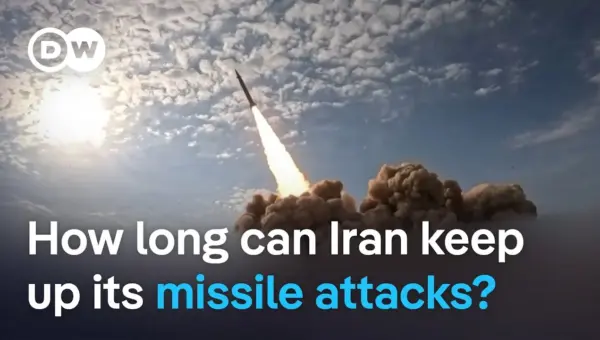
Iran's recent missile strikes have put significant strain on Israel's multi-layered air defense systems, including the Iron Dome. The increased use of cluster munitions and the sheer volume of projectiles challenge interceptor capabilities and rapidly deplete stockpiles. Experts highlight the economic disparity, with Iran's cheaper offensive weapons posing a strategic dilemma for costly defensive measures.


AI Fuels Russian Disinformation Warfare
Russia is leveraging advanced AI, including deep fakes and voice cloning, to create sophisticated propaganda. New text-to-video tools allow for rapid, large-scale disinformation campaigns, posing a significant challenge to information integrity.