Netanyahu’s Mystery: More Than Just a Conspiracy?
Wild theories about Benjamin Netanyahu's disappearance have flooded the internet, with some claiming AI is used to fake videos. However, a more plausible explanation suggests serious security concerns, including potential weaknesses in Israel's Iron Dome defense system and intelligence leaks. This could be why Netanyahu is avoiding public appearances, to prevent panic and hide vulnerabilities from adversaries.

Netanyahu’s Mystery: More Than Just a Conspiracy?
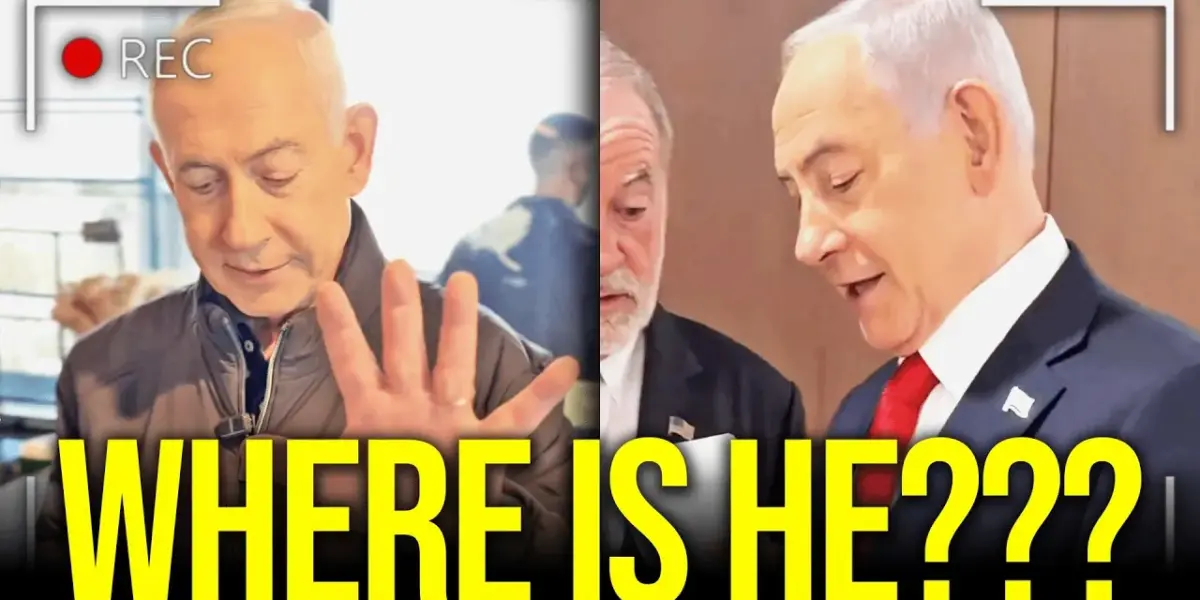
For days, a strange story has been buzzing online: Is Benjamin Netanyahu, the Prime Minister of Israel, actually dead? This idea, fueled by his absence from public view and security meetings, has taken hold of many on the internet. Some even claim Israel is using fake AI videos to hide the truth. But what’s really going on behind these wild theories?
A Viral Tweet and AI Fears
The talk really heated up when a tweet pointed out that Netanyahu had missed his seventh straight security cabinet meeting. While everyone else showed up, the Prime Minister was nowhere to be seen. This tweet quickly gained millions of views, showing how much attention this mystery was getting. Soon after, Netanyahu posted a video, seemingly to prove he was still alive and well. However, many viewers immediately picked the video apart, saying it looked too perfect and must be an AI creation.
I can affirmatively say right now that there is no public AI software that is able to create a video of this type of quality. … There’s also other theories that are more plausible than Netanyahu being killed.
The idea that advanced AI could create such realistic videos is a big concern. However, the speaker in the video argues that current public AI technology isn’t quite there yet. Creating high-quality videos with such detail and natural movement is still a huge challenge for AI. This suggests that the video, while perhaps unusual, might not be fake.
Beyond the AI: A Deeper Explanation?
While the AI theory is dramatic, another explanation, offered by journalist Adam Cochran, seems more likely to many. This view doesn’t dismiss the strangeness of Netanyahu’s absence but offers a different reason for it. It suggests that the Prime Minister’s disappearance from public view might be linked to more serious issues facing Israel’s security.
Criticism of Netanyahu’s Leadership
Before diving into the security concerns, it’s important to acknowledge the strong criticism leveled against Netanyahu. Many view him as a leader who has pushed Israel further to the right over the past decades. His actions and words regarding Palestinians have been blamed for increasing extremism within the country. The speaker expresses a strong belief that Netanyahu’s policies have led to significant death and destruction, particularly in Gaza, and have worsened the situation in the West Bank.
This perspective calls for a clear separation between the Israeli population and Netanyahu’s government. It argues that his leadership, and that of those around him, is uniquely harmful. The actions like disproportionately dropping bombs, starving the population of Gaza, and expanding settlements in the West Bank are highlighted as major concerns. The speaker also connects this to a broader call for changes in U.S. foreign policy, suggesting that unconditional aid to Israel should be re-evaluated until certain actions stop.
A Plausible Security Concern
The more plausible theory suggests that Netanyahu’s repeated absence from public view, especially from security meetings, points to serious security weaknesses. One key idea is that Israel’s air defense system, the Iron Dome, might be compromised or running low on interceptors. Additionally, there are suggestions of significant intelligence leaks within Israel.
These potential issues are seen as catastrophic for Israel’s security. If the Iron Dome is weakened, enemies could exploit this vulnerability. Similarly, intelligence leaks could give adversaries a major advantage. The theory notes that even allies like the United States are reportedly facing shortages of interceptors, and regional radar systems and Patriot batteries have been hit. This paints a picture of a general weakening of defense mechanisms in the region.
Netanyahu’s Son Goes Dark
Adding to the mystery, Netanyahu’s son, who is usually active on social media from the U.S., significantly reduced his online presence for a few days. This period of quiet, followed by him releasing videos from a safe location rather than live updates, is seen as another sign of concern. The idea is that these actions – Netanyahu recording videos, leaving a location for hours, and then releasing the footage later – indicate he is being heavily targeted and kept in a secure location.
It likely reveals Netanyahu’s absence that the Iron Dome is either compromised or low on interceptors and that Israel had big intelligence leaks. This is also catastrophic for the state of Israel.
This explanation suggests that Iran may be specifically targeting Netanyahu and his family as retaliation for past actions. The combination of intelligence gaps and weakened defenses would force him and his family into hiding. By using pre-recorded videos, they aim to create an illusion of normalcy. The real reason for this behavior, according to this theory, is to prevent panic. If the public knew Netanyahu was hiding, they might realize the Iron Dome is struggling, leading to widespread fear.
Why This Matters
This situation highlights a critical disconnect between public perception and potential behind-the-scenes realities. The wild AI conspiracy theories, while attention-grabbing, might be distracting from more urgent security concerns. If Israel’s defenses are indeed weakened, or if intelligence has been compromised, this has major implications not just for Israel but for regional stability and international relations.
Implications and Future Outlook
The ongoing conflict and the alleged targeting of Israeli leadership could escalate tensions significantly. If Iran is indeed behind these actions, it suggests a new phase of direct confrontation. The potential weakness of air defense systems like the Iron Dome could embolden adversaries and create a more dangerous environment for civilians. Furthermore, the reliance on pre-recorded videos and the clampdown on footage of damage suggest a deliberate effort to control information, both domestically and internationally.
This situation also raises questions about the transparency of security operations and the information provided to allies like the United States. The speaker expresses frustration that Netanyahu has consistently sought to draw the U.S. into conflicts with Iran. The potential need for U.S. resources to protect Israel, especially if its defenses are weakened, could lead to increased American involvement and financial commitment.
Looking ahead, the situation demands a clear understanding of the facts on the ground. The need for unconditional aid to any country is questioned, especially when actions are seen as violating international law or prolonging conflict. The hope for a future where Israel acts as a responsible ally, respects international law, and upholds democratic values is expressed, but the current reality is seen as far from that ideal.
Historical Context
The current tensions are rooted in decades of conflict and complex geopolitical dynamics in the Middle East. Benjamin Netanyahu himself has a long political career marked by a strong stance on security and a deep-seated rivalry with Iran. His leadership has often been associated with policies aimed at countering Iranian influence and ensuring Israel’s security, sometimes through aggressive means. The ongoing conflict in Gaza and the broader regional instability are part of a long-standing struggle for power and influence in the region.
The use of advanced technology, including AI and sophisticated defense systems like the Iron Dome, is also part of a modern arms race. Both sides are constantly seeking technological advantages. The vulnerability of these systems, as suggested by the theory, could represent a significant shift in the balance of power if true. The history of intelligence gathering and covert operations in the region further adds layers of complexity to understanding the current events.
The speaker’s strong opinions on Netanyahu’s policies and the U.S. relationship with Israel are also part of a long-standing debate within American foreign policy circles. Questions about the extent of U.S. support for Israel, the conditions attached to aid, and the potential for entanglement in regional conflicts are recurring themes. The current events, viewed through this lens, are seen as a critical moment that could shape future policy decisions.
Source: This Netanyahu Bombshell is CRAZY!!! (YouTube)

Related Articles


Israelis Forge Resilience Amidst Constant Bomb Shelter Drills
Life in Israel is a blend of resilience and constant vigilance, with many families adapting to frequent bomb shelter drills and even sleeping in makeshift shelters. Despite ongoing missile attacks, Israelis strive to maintain normalcy, though businesses face disruption and emotional fatigue is a growing concern.


Israel Escalates Iran Strikes, Warns of Wider War
Israel has launched significant strikes inside Iran following continued missile fire, warning of further escalation. The conflict risks wider regional instability and economic disruption, especially concerning the Strait of Hormuz.

Rubio Puts US First at G7 Summit, Sparks Debate
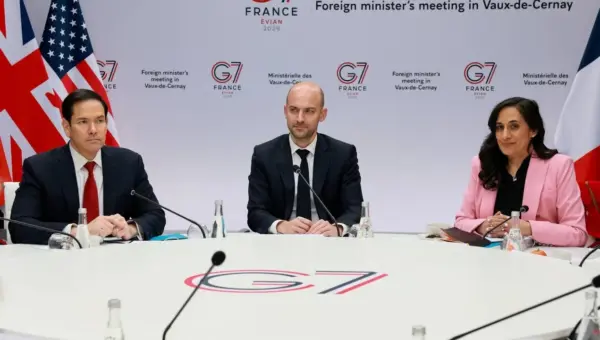
Secretary of State Marco Rubio attended the G7 summit in France, emphasizing his commitment to serving the American people above all else. The meeting addressed the war in Iran and Russia's role, revealing differing approaches among allies on regional security and the Strait of Hormuz.