Netanyahu’s Mind: Inside the Leader’s Motivations
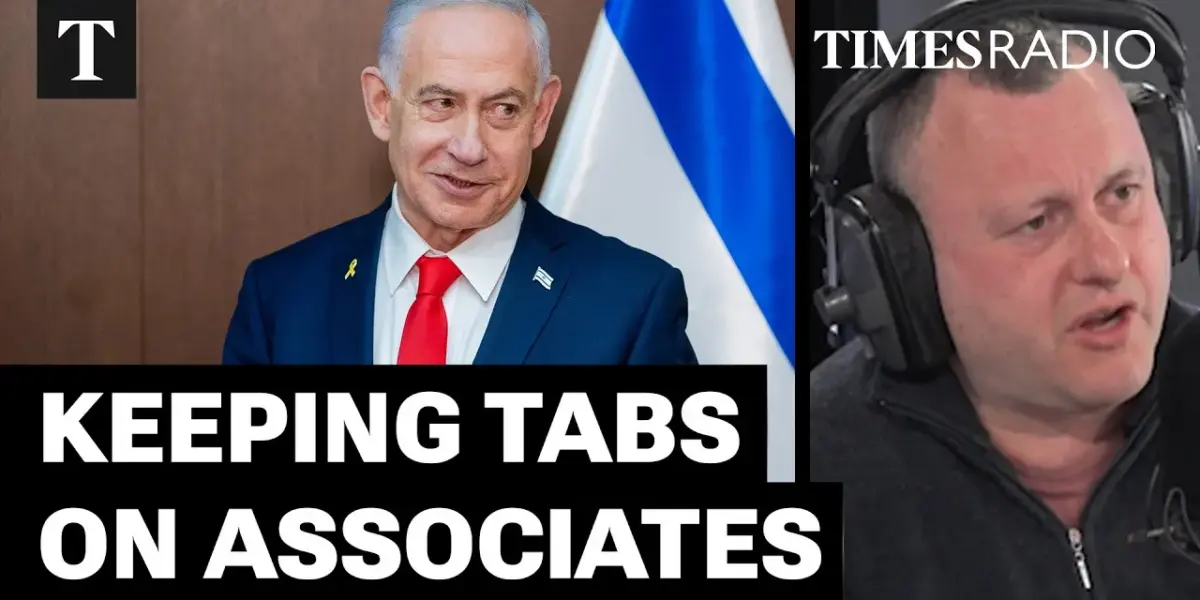
Former Ambassador to Israel, Matthew Gould, provides an in-depth look at Prime Minister Benjamin Netanyahu's strategic thinking, shaped by familial legacies and a profound understanding of anti-Semitism. Gould details Netanyahu's calculating political approach and his unwavering view of Iran as an existential threat.

Netanyahu’s Strategic Vision: A Deep Dive into His Motivations
In the complex landscape of Middle Eastern politics, understanding the driving forces behind key leaders is paramount. Israeli Prime Minister Benjamin Netanyahu, a figure who has dominated Israeli politics for three decades, remains a subject of intense scrutiny, particularly regarding his long-standing warnings about Iran’s nuclear ambitions. Matthew Gould, who uniquely served as both Deputy and Acting British Ambassador to Iran and later as Ambassador to Israel, offers profound insights into the mind of Netanyahu, shedding light on the man, his calculations, and the profound influences that have shaped his worldview.
A Leader of Sharp Intellect and Strategic Acumen
Describing Netanyahu, Gould paints a picture of an “immensely clever” and “well-read” individual. He notes Netanyahu’s capacity for charm when he chooses, his eloquence, and his compelling presence in conversation. “He’s an extraordinarily effective politician who has dominated Israeli politics for 30 years,” Gould states, underscoring Netanyahu’s enduring political prowess.
However, Gould also characterizes Netanyahu as “one of the most calculating politicians” he has ever met. This calculation is exemplified by what Gould refers to as the “list of millionaires.” This internal document, reportedly from a primary election campaign, detailed Netanyahu’s friends and associates, annotating their utility in terms of “plane flights, money, hotel rooms and so forth.” This illustrates what Gould calls a “very instrumental approach to people,” a key factor in Netanyahu’s sustained grip on power.
“He has a very instrumental approach to to people… and he has managed to stay in power for most of the the last 30 years as a consequence.”
Profound Familial Influences
Gould delves into three significant familial influences that have indelibly shaped Netanyahu: his father, his brother, and his son.
Benzion Netanyahu: The Scholar of Anti-Semitism
Benjamin Netanyahu’s father, Benzion Netanyahu, was a prominent historian specializing in the Spanish Inquisition. His work, particularly his analysis of the origins of anti-Semitism, deeply influenced the Prime Minister’s perspective. Benzion Netanyahu posited that anti-Semitism stems from a profound, almost existential, historical antagonism towards Jewish people, rather than being tied to specific religions or solvable through assimilation or conversion. The historical lesson, according to Benzion, was clear: “ultimately the Jews need their own land. They must hold on to that land.” This foundational belief in self-reliance and the necessity of a sovereign Jewish state permeates Benjamin Netanyahu’s approach to contemporary challenges, including the Palestinian issue and the threat from Iran.
“And the the lesson to draw from the history of anti-semitism… is ultimately the Jews need their own land. They must hold on to that land.”
Yoni Netanyahu: The Heroic Legacy
The memory of Netanyahu’s older brother, Yoni Netanyahu, a celebrated war hero and commander of the elite Sayeret Matkal unit, also casts a long shadow. Yoni led the daring 1976 Operation Entebbe to rescue hostages and was the only Israeli soldier killed in the operation. This event is still revered in Israel as an epitome of courage and commitment. Gould suggests that Yoni’s sacrifice not only provided Benjamin Netanyahu with formidable security credentials by association but also created a profound personal legacy he constantly measured himself against. “This brother who who’ done this remarkable thing and whatever BB does, he can’t be his brother. He can’t live up to that extraordinary legacy,” Gould observes.
Yair Netanyahu: The Right-Wing Voice
The influence of Netanyahu’s son, Yair Netanyahu, is also noted. Yair is described as outspoken and seemingly positioned further to the right than his father. Gould acknowledges the ongoing debate about whether Yair’s pronouncements serve as a deliberate trial balloon for his father’s potential policy shifts. Yair’s rise to prominence with his distinctly right-wing and polarizing political views has coincided with Benjamin Netanyahu’s own move further to the right, raising questions about their intertwined political trajectories.
Perception of Iran: An Existential Threat
Gould addresses the perception that Netanyahu views the Iranian regime as an “eternal enemy,” akin to a biblical context. While acknowledging the intensity of this view, Gould distinguishes it from fundamentalism. He asserts that Netanyahu holds a “very clear-eyed view of the possibility of the Iranian regime getting their hands on nuclear weapons.” Netanyahu’s consistent warnings on this issue, dating back to the 1980s, have remained a bedrock of his political platform, even as he has shifted positions on other matters. Gould believes Netanyahu sees a nuclear-armed Iran as an “existential threat to the state of Israel.” This unwavering stance is rooted in a profound conviction, not without justification, of the grave dangers such a development would pose.
The Uncertain Endgame in the Region
Looking ahead, Gould offers a sober assessment of the current conflict’s potential endgame. He anticipates a “messy” resolution, where neither side achieves all its objectives. He predicts a diminishing supply of munitions for both the US and Israel, and cautions that the Iranian regime is unlikely to collapse simply due to leadership changes, given its deep-rooted nature. This scenario suggests a prolonged period of instability and conflict, requiring careful navigation.
Gould concludes by comparing Netanyahu’s strategic clarity with that of other leaders, such as Donald Trump. He suggests that Netanyahu is more precise about his ultimate aims, making it easier to evaluate his success in achieving them, particularly concerning Iran’s nuclear and missile capabilities and its support for proxy groups like Hezbollah and Hamas.
Source: Netanyahu Keeps Millionaire List To Provide Wealth For Israel | Former Ambassador To Israel (YouTube)

Related Articles


Gulf States Demand Seat at Table on Iran’s Nuclear Future
Gulf states are demanding a seat at the table for any U.S.-Iran talks regarding Iran's nuclear future. This move reflects a growing assertiveness and a desire to shape regional security directly. It signals a potential shift towards more inclusive diplomatic efforts in the Middle East.

Iran War Sparks Nuclear Fears: Is a Global Arms Race Brewing?
The conflict in Iran has heightened global fears of nuclear proliferation and a potential arms race. Experts warn that Iran may pursue nuclear weapons if its current deterrence fails, while historical examples show the dangers of unchecked nuclear ambitions. The world faces uncertain scenarios, ranging from renewed diplomatic efforts to a dangerous escalation of nuclear threats.

Israel Strikes Iran Nuclear Sites Amid Stalled Talks
Israel has struck key Iranian nuclear facilities, including uranium enrichment and heavy water plants, amid stalled international negotiations. The U.S. is pushing for a deal to curb Iran's nuclear ambitions while also seeking allied support to secure the vital Strait of Hormuz.