Netanyahu, Trump Discuss Iran Deal Amid Shifting Global Alliances
Israeli Prime Minister Benjamin Netanyahu discussed a potential deal with Iran with former U.S. President Donald Trump, who believes military actions could lead to diplomatic solutions. Divergent goals, however, pose significant obstacles. Meanwhile, North Korea's escalating rhetoric towards South Korea adds to regional instability, as global security dynamics shift.

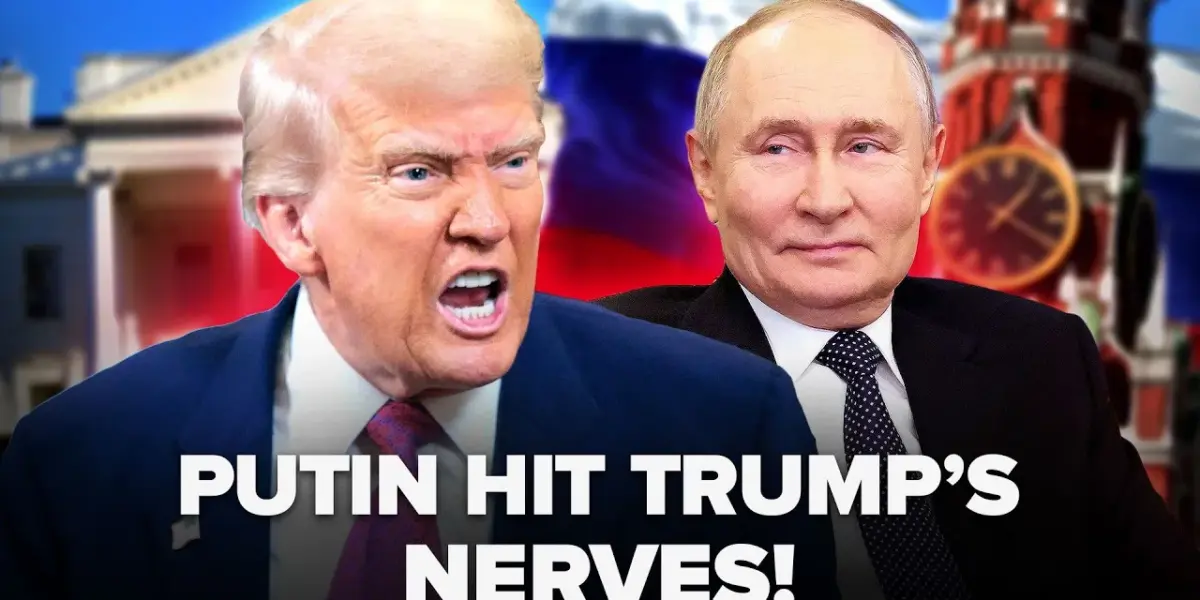
Netanyahu, Trump Discuss Iran Deal Amid Shifting Global Alliances
Israeli Prime Minister Benjamin Netanyahu revealed discussions with former U.S. President Donald Trump regarding a potential deal with Iran. Trump believes that military actions by Israel and the U.S. could pave the way for diplomatic solutions. This development comes as global security dynamics shift, with new statements from North Korea and ongoing concerns about the war in Ukraine.
Divergent Goals in Iran Negotiations
According to former Deputy Prime Minister of Ukraine for EU Integration, Oleksandr Shulga, the objectives for Israel and the United States in any potential deal with Iran differ significantly. Trump is reportedly focused on a swift resolution, aiming for a quick deal that might secure concessions on nuclear enrichment and missile programs. He seeks a “big beautiful deal” that could mirror scenarios like Venezuela, where U.S. interests benefit from oil access.
Israel, however, appears to prioritize a strategic aim of regime change in Iran. The goal is to remove a government that has been a long-standing threat, seeking a leadership that does not pose a danger to Israel’s security. This fundamental difference in objectives presents a key obstacle to reaching a unified agreement.
Iran’s Stance on Ceasefires and Guarantees
Iranian authorities have explicitly stated they are not interested in ceasefires. Their primary condition for any agreement is securing guarantees against future attacks from the U.S. and Israel. This contrasts with the situation in Ukraine, where a ceasefire is a critical, though not fully trusted, objective for Kyiv.
Netanyahu faces the challenge of supporting Trump’s initiative while pursuing Israel’s distinct strategic goals. Reports suggest Israel might refrain from attacking Iranian energy or infrastructure during a proposed five-day negotiation period, a move possibly influenced by Trump’s promises to Iran.
Complex Diplomacy and Leadership Questions
The diplomatic landscape is further complicated by Iran’s denial of ongoing talks with Trump. There is uncertainty regarding who in Washington is engaging with Iranian leadership. Reports suggest that while Trump’s administration might be speaking with the speaker of the Iranian parliament, a conservative figure with support from the Islamic Revolutionary Guard Corps, the formal acceptance of the new supreme leader, Hamenei Jr., remains unclear, as he has not been publicly visible.
The White House is reportedly considering a “Venezuelan scenario” for Iran, which involves supporting a politician with domestic backing who aligns with U.S. interests. This approach involves carefully analyzing potential Iranian figures for their flexibility and willingness to do business with the U.S. Radical or uncompromising candidates, it is suggested, could face consequences similar to past political figures.
European Allies Hesitate on Direct Confrontation
European allies of the U.S. appear reluctant to engage in direct confrontation with Iran. Statements from European leaders, such as the President of the European Commission, indicate a willingness to deploy ships to the Strait of Hormuz only after U.S. and Israeli military operations conclude. This position mirrors the approach to deploying peacekeepers in Ukraine, which is contingent on the war’s end.
European nations emphasize that the conflict is not theirs and they do not wish to be directly involved in warfare. This stance reportedly frustrates Trump, but reflects a broader European reluctance to commit forces to direct engagement.
Trump’s Negotiating Tactics and Perceived Weakness
Trump’s public statements on Iran have been described as contradictory. At times, he has claimed complete victory and devastation of Iran, while at others, he has issued ultimatums and offered ceasefires without clear Iranian agreement. This approach has led some international observers to suggest that Trump has “blinked first,” a term used in a cowboy duel to describe the first to show fear, potentially weakening his negotiating position.
Iran, conversely, maintains a firm stance, denying negotiations and demanding guarantees against future attacks before discussing the safety of the Strait of Hormuz. This creates a dynamic where Iran perceives Trump as vulnerable, especially given his past ultimatums to Putin that did not yield expected results.
Ukraine War and Security Guarantees Under Scrutiny
Reports indicate increased pressure on Ukraine from both the U.S. and Russia, demanding Ukrainian withdrawal from Donbas. The threat of Trump shifting focus from Ukraine to the Iran crisis is a recurring concern. However, experts doubt Trump could unilaterally halt weapon supplies, as many are based on contractual obligations involving American companies and European financing. Antagonizing the powerful U.S. military-industrial complex is also seen as a significant political risk for Trump.
The concept of “real security guarantees” for Ukraine is met with skepticism, drawing parallels to the Budapest Memorandum. The reliability of NATO’s Article 5 mutual defense clause in the event of a Russian attack on a member state is also questioned, causing nervousness among Baltic and Eastern European nations. The perceived ambiguity and potential for prolonged negotiations, rather than immediate military commitment, undermine confidence in U.S. security assurances.
North Korea’s Hardline Stance and Regional Instability
In parallel, North Korean leader Kim Jong-un has officially designated South Korea as the most hostile state. He threatened severe consequences for any provocations, signaling Pyongyang’s intent to ignore Seoul’s actions. This escalation reflects a broader trend of damaged international law and order, where the U.S. role as a global security guarantor is perceived as diminished.
The perceived failure to hold Russia accountable for its actions in Ukraine emboldens other states, such as North Korea, to adopt more aggressive postures. China’s actions towards Taiwan and Japan’s increased security investments are also seen as responses to this evolving global security environment. The potential use of nuclear weapons, not just as a deterrent but as tactical weapons, is a growing concern, with North Korea hinting at such a possibility.
Economic Repercussions and Energy Market Shifts
The instability in the Middle East, particularly potential damage to energy infrastructure, could have long-term economic consequences. Even if peace is achieved, the rebuilding of critical facilities, such as liquid gas production plants in Qatar, could take years, leading to a prolonged deficit in oil and gas supply. This situation could allow Russia to re-enter European energy markets, potentially reversing efforts to reduce reliance on Russian gas and oil.
Trump’s past actions of temporarily dropping sanctions on Russia could be expanded, further benefiting Moscow. This potential shift in energy markets underscores the interconnectedness of geopolitical stability and global economic well-being.
Strategic Implications
The discussions between Netanyahu and Trump highlight a complex web of diverging interests and potential diplomatic maneuvers concerning Iran. Trump’s focus on a swift, business-oriented deal contrasts with Israel’s strategic objective of regime change. The hesitation of European allies to engage in direct conflict and Iran’s demand for security guarantees create a delicate balance. The perceived weakening of U.S. global security leadership, coupled with escalations from North Korea, suggests a period of heightened regional instability. The economic fallout from potential Middle East conflict could significantly impact global energy markets, with Russia potentially benefiting from increased demand for its resources.
Source: 😱Putin exploited US! Kremlin is changing its negotiation demands. Trump shocked (YouTube)

Related Articles

Trump Weaponizes Pain for Voter Suppression, Critics Claim
A heated exchange reveals accusations that Donald Trump intentionally prolonged a government shutdown to weaponize public pain. Critics claim this strategy aimed to force the passage of a voter suppression bill, rejecting multiple Democratic proposals to fund the TSA. The debate also touched on historical funding decisions for agencies like ICE.
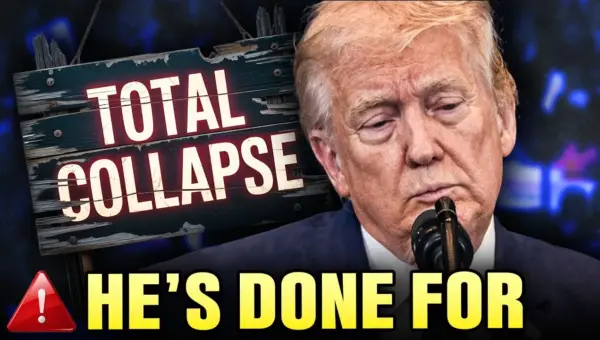
Staff Shields Trump’s Mind from Reality, Experts Warn
A former aide warns that Donald Trump's mental decline is not new, but the system around him can no longer cope. This lack of checks and balances is more dangerous than any cognitive issues, creating significant risks for policy and national security.

US Faces Global Trade Shift as Auto Jobs Flee
The US is losing its global edge in auto manufacturing as jobs move to Europe, a shift overshadowed by internal culture wars and fears of foreign billionaires. Critics argue this distraction prevents Americans from addressing real economic decline and rising costs, while allies reassess their ties to a nation perceived as increasingly divided and economically vulnerable.