Netanyahu Pushes Trump to Keep War Fires Burning
New reports suggest Israeli Prime Minister Benjamin Netanyahu urged former President Donald Trump to reject a ceasefire with Iran. This alleged influence highlights concerns over escalating conflict and the role of personal diplomacy in shaping foreign policy decisions.

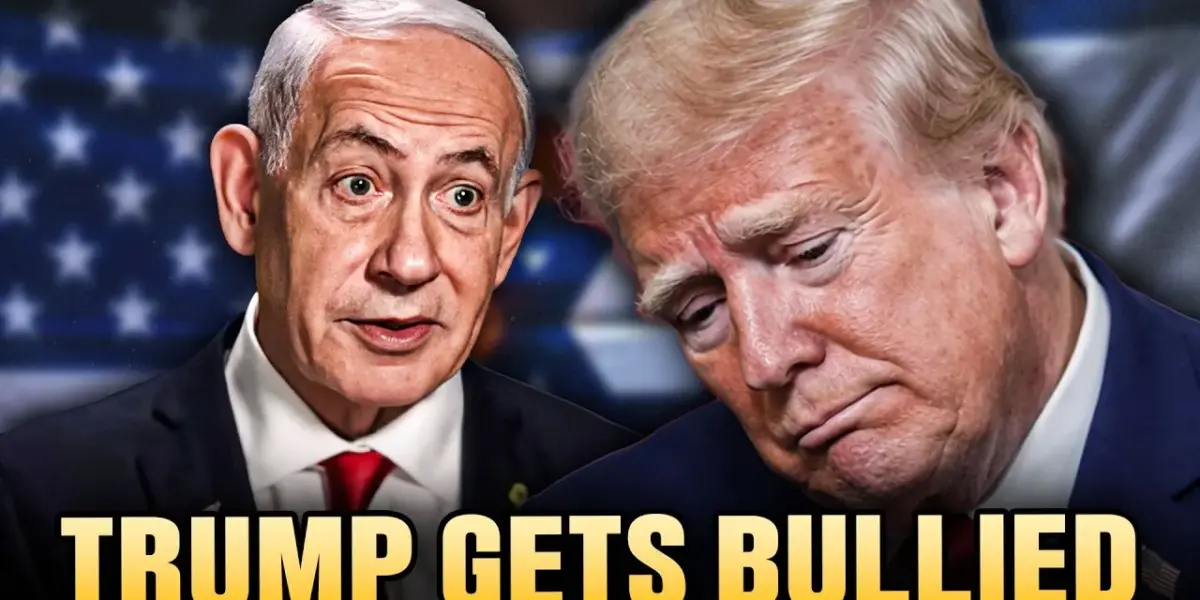
Netanyahu Pushes Trump to Keep War Fires Burning
New reports suggest Israeli Prime Minister Benjamin Netanyahu is strongly advising former President Donald Trump against agreeing to a ceasefire with Iran. This advice, reportedly given during a phone call, highlights a significant point of contention regarding how to handle the ongoing conflict and Iran’s nuclear program.
According to Axios, Netanyahu urged Trump not to pursue a ceasefire at this time. He expressed worries about the potential dangers of such a move. Trump, however, indicated that a ceasefire could be possible if Iran meets U.S. demands. These demands include Iran handing over all its enriched uranium and agreeing to stop further enrichment.
The Risk of Stopping the Killing?
The core of Netanyahu’s reported concern is about the risks involved. But the question arises: what exactly are the risks of stopping the killing? When both sides agree to cease hostilities, it means fewer bombs, fewer bullets, and an end to the advance of tanks. It means people stop dying. The idea that stopping death and destruction is risky is hard for many to understand.
Some observers feel that Netanyahu’s stance suggests a desire to continue the conflict, potentially leading to more casualties. This perspective views the push for a ceasefire as a move towards peace, and any opposition to it as a preference for continued violence. The source of these reports indicates that Netanyahu’s position is to keep the conflict going.
Accusations of Manipulation
The report suggests Netanyahu is actively influencing Trump’s decisions. Some critics describe Netanyahu as a dangerous world leader who desires to rule with an iron fist. They argue that his policies often lead to increased conflict and suffering. For too long, they claim, governments have tolerated his approach, partly due to accusations of anti-Semitism that are sometimes leveled against critics of Netanyahu.
This argument states that criticism of Netanyahu is not about religion or the existence of Israel itself. Instead, it is about the specific actions and mentality of one individual leader. His alleged desire to keep killing going and prevent people in other countries from living peacefully is seen as a dangerous trait. This viewpoint labels him as a bloodthirsty dictator.
Trump as a Willing Participant?
The narrative presented is that Netanyahu is the one pulling the strings, convincing Trump to continue the current course of action. There is a concern that this could draw the U.S. into a ground war in Iran. Netanyahu is seen as goading Trump into this situation. The reasoning offered is that Netanyahu may not be able to achieve his goals directly or wants to keep his hands as clean as possible, especially if he is involved in other conflicts.
In this view, Trump is portrayed as an eager puppet, willing to follow Netanyahu’s lead. This dynamic raises questions about the independent decision-making of U.S. foreign policy. It suggests that personal relationships and specific agendas might be overriding broader diplomatic strategies.
Why This Matters
This situation is critical because it involves the potential for escalating international conflict and the loss of human lives. The decisions made by leaders like Netanyahu and Trump have far-reaching consequences. The reports suggest that a key ally is actively pushing a major world power towards continued military engagement, even when alternatives like a ceasefire are on the table.
Understanding these behind-the-scenes influences is crucial for grasping the complexities of global politics. It highlights how personal relationships between leaders can shape major foreign policy decisions. Furthermore, it raises questions about the true objectives behind continued military action and the role of diplomacy versus force.
Historical Context and Background
The relationship between Israel and Iran has been tense for decades, particularly concerning Iran’s nuclear program. Israel views Iran’s nuclear ambitions as a direct threat to its security. U.S. policy towards Iran has varied significantly over the years, with different administrations employing strategies ranging from sanctions and diplomatic pressure to direct confrontation.
Donald Trump’s presidency saw a significant shift in U.S. policy towards Iran, including the withdrawal from the Iran nuclear deal (JCPOA) and the imposition of “maximum pressure” sanctions. Benjamin Netanyahu has consistently advocated for a hard line against Iran, emphasizing the need to prevent it from obtaining nuclear weapons. This phone call appears to be a continuation of these long-standing positions, with Netanyahu seeking to influence Trump’s approach.
Implications, Trends, and Future Outlook
If these reports are accurate, Netanyahu’s alleged influence on Trump could mean a prolonged period of heightened tensions and potential conflict in the Middle East. This could derail any diplomatic efforts aimed at de-escalation and peaceful resolution. The trend of strong rhetoric and a preference for military solutions over diplomatic ones is a worrying sign for regional stability.
Looking ahead, the future outlook depends heavily on the actual decisions made by both leaders and their respective governments. The possibility of Trump re-entering the political arena means his foreign policy stances could once again become highly influential. The international community will be watching closely to see if diplomacy can prevail over the push for continued conflict.
The underlying issue of Iran’s nuclear program remains a critical point of concern. Finding a sustainable solution that ensures regional security and prevents nuclear proliferation is paramount. Whether this will be achieved through negotiation, continued pressure, or potentially, prolonged conflict, remains uncertain. The reported conversation between Netanyahu and Trump offers a glimpse into the complex dynamics at play.
Source: Netanyahu BULLIES Trump Into Continuing War (YouTube)

Related Articles

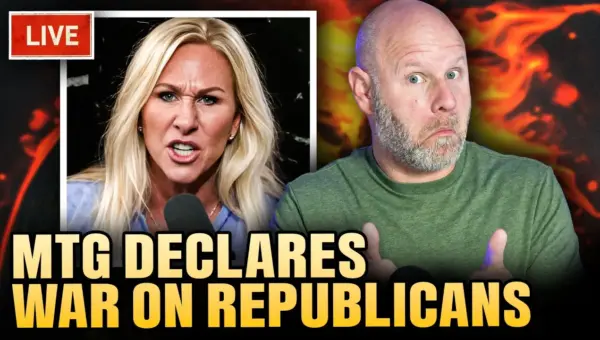
Greene Demands GOP Burning; Trump Followers in Cult?
Marjorie Taylor Greene recently called for the Republican Party to be 'burned to the ground' and described Donald Trump's MAGA followers as being part of a 'cult.' These strong statements highlight deep divisions within the GOP and raise questions about the nature of political loyalty and party identity.
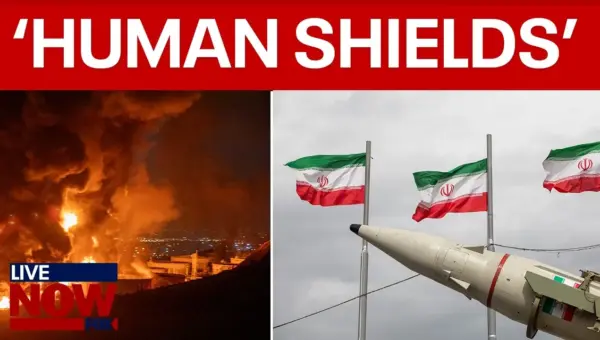
Iranians Face Dilemma: “Human Shields” Amidst Peace Talks
Iranian citizens are reportedly being ordered to serve as "human shields" around critical infrastructure as the U.S. prepares for high-stakes peace talks. Journalist Alina Shirazi highlighted the lack of clear safety guidance for ordinary Iranians, who feel caught between potential military strikes and government directives. The situation unfolds as top U.S. officials head to negotiations aimed at de-escalating tensions.

MAGA Stars Flee Trump as Movement Crumbles
Influential MAGA figures are publicly clashing with Donald Trump, leading to a visible fracturing of the movement. Allies like Megyn Kelly, Tucker Carlson, and Candace Owens are now facing Trump's criticism, with some even suggesting he should step down. This internal strife, coupled with Melania Trump's independent actions, signals a potential weakening of Trump's influence and raises questions about the future of the MAGA movement.