Netanyahu Pushed Trump Into Iran Trap
Benjamin Netanyahu has long sought to draw the U.S. into conflict with Iran. Former President Trump apparently fell into this trap, misunderstanding Iran's resolve. Iran has since shifted to economic warfare, targeting U.S. markets.


Netanyahu Pushed Trump Into Iran Trap
For years, Israeli Prime Minister Benjamin Netanyahu has openly tried to get American presidents to engage in conflict with Iran. This isn’t a hidden plot; many, even on the political right, acknowledge this goal. The idea is to draw the U.S. into a war that serves Israeli interests.
Former President Donald Trump, according to indicators, was uniquely willing to consider such a path. He seemed to misunderstand the situation entirely. Trump apparently believed that removing Iran’s leader, much like he thought could be done in Venezuela, would be a simple fix. He imagined the U.S. could then step back without major consequences.
Iran’s New Strategy
However, Iran had already learned valuable lessons from a U.S. strike about eight months prior. They realized that simply being attacked wasn’t enough to deter future aggression. Iran understood that to prevent further U.S. actions, they needed to inflict significant damage. They needed to make the U.S. feel pain and reconsider its approach.
This realization led Iran to adopt a different strategy. Instead of direct confrontation, they began using asymmetric warfare. This means using unconventional tactics to strike at the U.S. where it hurts most: its economy. Iran is specifically targeting the oil and gas markets.
Economic Impact and Trump’s Struggle
This strategy is already having a noticeable effect. The U.S. economy is feeling the strain. Gas prices are affected, and the overall economic picture is becoming more difficult. Trump, who initiated policies that led to this point, now appears to be struggling to manage the fallout.
He seems unprepared for the complex reality of dealing with Iran. The situation is far more complicated than a simple leadership change he may have envisioned. Iran’s retaliation is designed to be economically damaging, a tactic that requires a sophisticated response beyond what Trump might have anticipated.
Why This Matters
This situation highlights the dangers of foreign policy decisions driven by specific agendas rather than a deep understanding of complex geopolitical realities. Netanyahu’s long-standing goal of involving the U.S. in a conflict with Iran created pressure. Trump’s apparent willingness to act on this pressure, without fully grasping the potential consequences, put the U.S. in a difficult position.
Iran’s shift to economic warfare is a significant development. It shows how nations can adapt their strategies when facing a more powerful adversary. By targeting global energy markets, Iran can exert considerable influence and inflict pain without a full-scale war. This tactic is particularly effective in today’s interconnected global economy.
Historical Context
The tension between the U.S. and Iran is long-standing. Following the 1979 Iranian Revolution, relations soured dramatically. Over the decades, various U.S. administrations have sought to contain Iran’s influence, particularly concerning its nuclear program and regional activities. This has often involved sanctions and, at times, military posturing.
The relationship with Israel has consistently played a role in U.S. policy towards the Middle East. Israel views Iran as a primary threat and has often lobbied the U.S. for stronger action. This dynamic has influenced U.S. decisions, sometimes pulling American policy in directions that might not align with purely U.S. interests.
Future Outlook
The current situation suggests a period of continued economic pressure. Iran is likely to maintain its strategy of targeting oil and gas markets. This could lead to ongoing volatility in energy prices and further economic challenges for the U.S. and its allies.
Future U.S. administrations will need to develop a nuanced approach. Simply applying more pressure or engaging in direct military conflict might not be effective. Understanding Iran’s motivations and its capacity for economic disruption will be crucial. Finding a diplomatic solution that addresses regional security concerns while avoiding further escalation will be a significant challenge.
The events also underscore the importance of presidential preparedness. Leaders must have a clear understanding of the historical context, the motivations of adversaries, and the potential consequences of their actions. Miscalculations, as suggested in this case, can lead to prolonged instability and economic hardship.
Source: Trump Had No Idea What He Was Getting Into With Iran #politics #fyp #new (YouTube)

Related Articles


Trump’s Iran Claims: Shocked or Deluded by War Games?
Donald Trump claimed surprise over Iran's actions in the Strait of Hormuz, but experts suggest retaliation was inevitable. Military war games likely predicted such a scenario, raising questions about the advice given to the President.

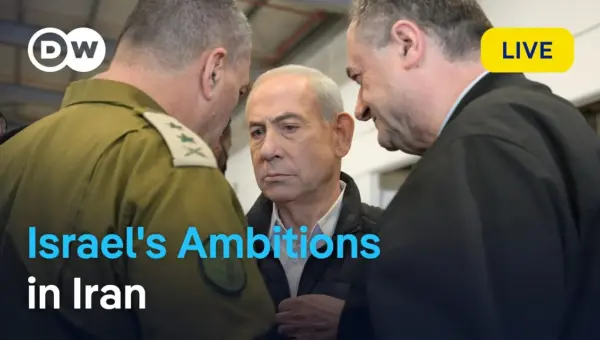
Israel’s Strategy Against Iran Revealed
Israel's strategy to counter Iran's nuclear ambitions and regional influence centers on containment, utilizing a mix of covert military actions, intelligence operations, and diplomatic pressure. Analysts highlight the growing urgency due to Iran's nuclear advancements, while also noting the persistent risk of escalation in the volatile Middle East.

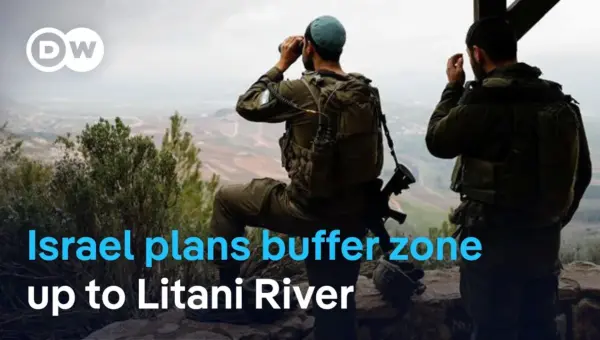
Israel Eyes Lebanon Buffer Zone: A Political Ploy?
Israel's military operations in southern Lebanon aim to create a buffer zone and pressure Hezbollah, according to expert Yazid Sayigh. He argues the strategy is more political than military, echoing historical tactics. The ongoing conflict could destabilize Lebanon further, while Hezbollah fights for survival.