Netanyahu Ousts Spain From Gaza Watchdog: A Diplomatic Showdown
Israeli Prime Minister Benjamin Netanyahu expelled Spain from a Gaza monitoring group, accusing them of defaming soldiers. This move escalates diplomatic tensions and highlights deep divides over the conflict. The expulsion raises questions about future international cooperation in Gaza.


Netanyahu Ousts Spain From Gaza Watchdog: A Diplomatic Showdown
Israeli Prime Minister Benjamin Netanyahu recently took a drastic step: he expelled Spain from an international group watching over Gaza. This move signals a sharp escalation in tensions and highlights a growing divide over the ongoing conflict. Netanyahu’s decision was swift and direct, aimed at sending a clear message about perceived slights against Israel’s military.
The group in question was formed about a year ago. Its main purpose was to oversee the peace plan for Gaza, a plan initially brokered by former U.S. President Donald Trump. The work of these international observers is crucial. It includes planning for how to stabilize and rebuild Gaza after periods of conflict. This mission involves around 200 U.S. service members who are working closely with the Israeli military and representatives from other nations.
Accusations of Defamation Spark Expulsion
Prime Minister Netanyahu stated his reason for expelling Spain was clear. He accused Spain of defaming Israeli soldiers. This accusation suggests a deep disagreement over how events in Gaza are being reported and interpreted internationally. Netanyahu framed his action as a response to what he called a “diplomatic war” waged against Israel.
He declared that Israel would not permit any nation to conduct such a campaign without facing consequences. This stance suggests a more assertive, and perhaps confrontational, approach to foreign relations concerning the Israeli-Palestinian conflict. It raises questions about the future of international cooperation in the region and the conditions under which nations can participate in peace efforts.
Historical Context and International Bodies
The use of international bodies to monitor conflict zones and peace processes is not new. Historically, organizations like the United Nations have played roles in peacekeeping and observing ceasefires. These groups aim to provide neutral oversight and facilitate dialogue between warring parties. However, their effectiveness often depends on the cooperation of all involved nations.
The Trump-brokered peace plan itself represented an attempt to find a new path forward, distinct from previous diplomatic efforts. The monitoring group was a practical extension of this plan, designed to ensure progress on the ground. Spain’s inclusion indicated a broader international effort to support the plan’s goals of stabilization and reconstruction.
Diverging Views on the Conflict
The expulsion highlights the deep and often conflicting perspectives on the Israeli-Palestinian conflict. For Israel, particularly under Netanyahu’s leadership, there is a strong emphasis on national security and a zero-tolerance policy for what it perceives as unjust criticism. The accusation of defaming soldiers touches on a sensitive point for a military often under international scrutiny.
On the other hand, countries like Spain, especially within the European Union, often express concerns about humanitarian issues and international law in the Palestinian territories. These concerns can sometimes lead to statements or actions that Israel views as hostile or biased. This incident underscores the difficulty of finding common ground when fundamental interpretations of events differ so greatly.
Implications and Future Outlook
Netanyahu’s decision could have several implications. It might embolden other nations to take a harder line against perceived criticism, potentially leading to more diplomatic expulsions or strained relations. For the monitoring group, the absence of a key member like Spain could weaken its legitimacy or operational capacity. It also raises questions about the future participation of other countries if similar disputes arise.
The future outlook for Gaza’s stabilization and reconstruction remains uncertain. International cooperation is vital for such complex tasks. If diplomatic disagreements prevent countries from working together, the progress needed for peace and recovery could be significantly hampered. This event serves as a stark reminder of how political tensions can directly impact humanitarian efforts and long-term stability in conflict zones.
Why This Matters
This expulsion matters because it reflects a broader trend of increasing diplomatic friction surrounding the Israeli-Palestinian conflict. It shows how deeply entrenched the differing viewpoints are, making international cooperation incredibly challenging. When a country feels compelled to remove another from a peace-monitoring mission, it signals a breakdown in trust and communication. This can have ripple effects, potentially isolating nations and hindering efforts to achieve lasting peace and stability in a region that desperately needs it.
Source: Netanyahu Expels Spain From Gaza Monitoring Group (YouTube)

Related Articles
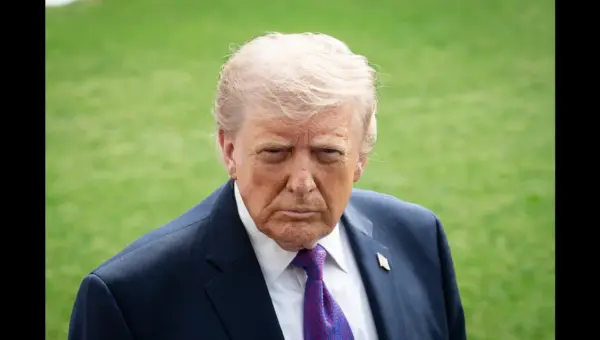
Trump Warns Iran: Stop Fees in Strait of Hormuz Now!
President Trump has issued a stern warning to Iran, demanding an immediate halt to alleged fees imposed on ships passing through the critical Strait of Hormuz. Amidst slowing traffic and ongoing diplomatic talks, the focus remains on ensuring global energy security and regional stability.
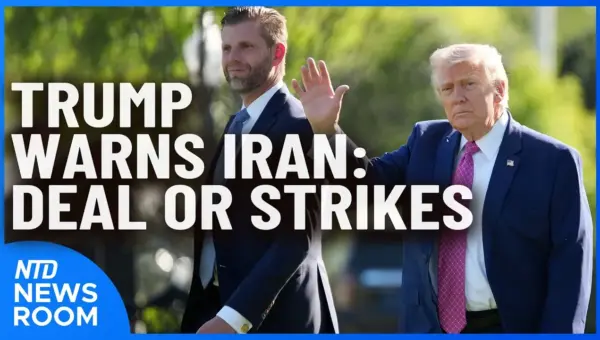
Trump Threatens Iran: ‘Loading Up Ships’ for Escalation
President Trump is sending a strong warning to Iran ahead of high-level talks in Pakistan, threatening further military action if negotiations fail. The US is preparing for potential escalation while also extending an 'open hand' for diplomacy.

World Rejects Trump’s ‘Peace’ Amid UN Boos and NATO Doubts
A UN ambassador faced boos at a Model UN event, highlighting global disapproval of Trump's foreign policy. Allies express doubts about US leadership, weakening NATO, while domestic polls show low approval on key issues like inflation and the economy.