Netanyahu Fuels Conflict Despite US Cease-Fire Bid
Israeli Prime Minister Benjamin Netanyahu continues military strikes in Lebanon despite a U.S.-brokered cease-fire, prompting Iran to accuse the U.S. of violating the deal. Experts express skepticism about Netanyahu's commitment to peace, with concerns that he may prolong the conflict for personal reasons. The status of the Strait of Hormuz remains unclear amidst escalating tensions.

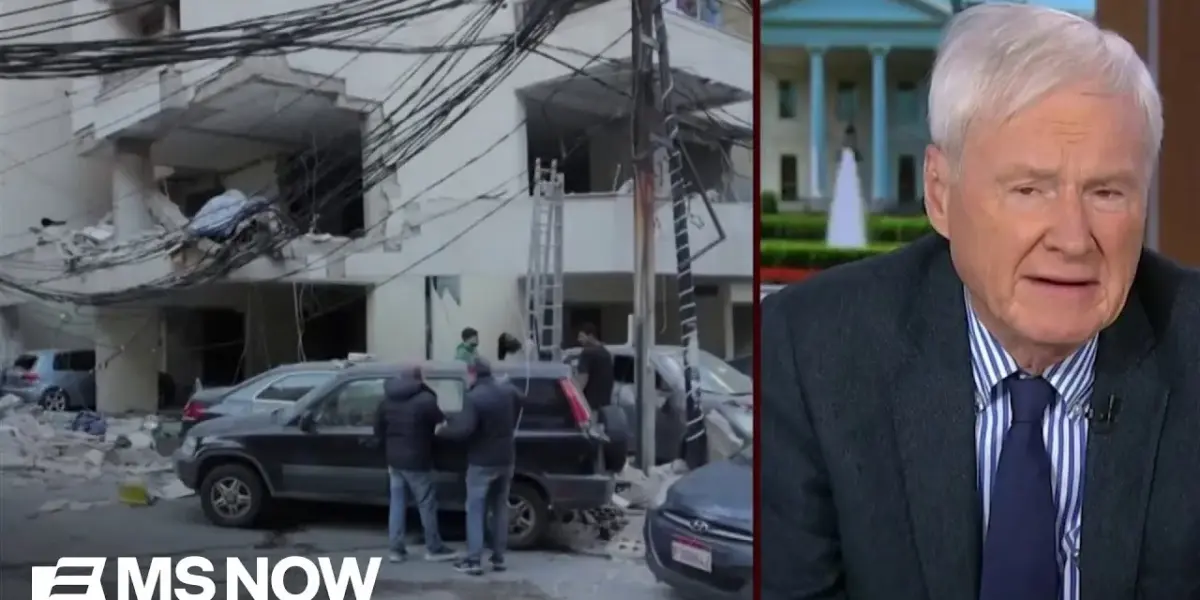
Netanyahu Escalates Strikes Amidst Cease-Fire Efforts
Israeli Prime Minister Benjamin Netanyahu has signaled his intent to continue military action against Hezbollah, despite a U.S.-brokered cease-fire agreement. In a social media post, Netanyahu stated his military would strike Hezbollah with “force, precision and determination.” This comes after significant Israeli strikes in Beirut, which reportedly killed the personal secretary of Hezbollah’s leader. Lebanon has reported nearly 200 deaths and hundreds wounded in the past day alone, marking one of the deadliest periods since the conflict began.
Iran Accuses US, Strait of Hormuz Status Unclear
Following the deadly attacks in Lebanon, Iran claimed that Lebanon was included in the cease-fire agreement and accused the United States of violating the deal. The White House has denied these accusations. Meanwhile, the status of the Strait of Hormuz, a vital waterway, remains uncertain. Iranian state media reported the strait had been closed again in response to Israel’s ongoing strikes in Lebanon. This claim was met with a warning from President Trump, who stated via social media that all U.S. military personnel and assets would remain in the region until the “real agreement reached is fully complied with.” He added that non-compliance would result in larger attacks.
Expert Doubts Netanyahu’s Commitment to Peace
Chris Matthews, former host of Hardball, expressed deep skepticism regarding Prime Minister Netanyahu’s intentions. “I don’t trust Netanyahu in this one bit,” Matthews stated. He believes Netanyahu is committed to a “forever war” for personal reasons, possibly to avoid legal troubles. Matthews also questioned the honesty of the U.S. administration, suggesting they might be covering for Netanyahu’s actions regarding Lebanon. “I think they’re covering for B.B. again,” he remarked, referring to Netanyahu.
Cease-Fire Deal’s Fragility Highlighted
Ian Bremmer, President of Eurasia Group, noted that Israel’s significant attacks on Hezbollah in Beirut occurred just hours after President Trump announced the cease-fire. Bremmer pointed out that while the U.S. and Israel generally align, there are critical disagreements, particularly concerning a cease-fire in Lebanon. “There is no question in my mind that this is not what the United States wants to see,” Bremmer said, emphasizing that U.S. officials do not want to see Israel undermining their efforts.
Strait of Hormuz Control and Economic Implications
Bremmer also discussed the control Iran exerts over the Strait of Hormuz. Despite White House statements, Iran is reportedly allowing a limited number of ships to pass through after charging tolls. This has significant economic implications, as Iran could potentially charge substantial amounts per barrel of oil. American oil executives and Gulf states have voiced concerns that this could cripple their businesses. President Trump has suggested a potential revenue-sharing agreement with Iran, a concept Bremmer finds difficult to envision being implemented.
Wall Street Journal Criticizes Trump’s Approach
The Wall Street Journal’s editorial board has been critical of the Trump administration’s handling of the conflict. In a piece titled “Trump Declares Premature Victory in Iran,” the board argued that the president seems more interested in ending the war quickly than in securing a lasting deal. They suggest Iran may bet that Trump will not resume bombing, especially with midterm elections approaching, due to pressure from allies and domestic politics. The Journal warns that if Trump takes his cease-fire deadline seriously and Iran continues its usual tactics, he will have to “finish the job.”
Matthews: Netanyahu Wants War to Stay Out of Jail
Chris Matthews reiterated his distrust of Netanyahu, stating, “I think he wants to keep this war on as long as he wants to stay out of jail and that’s a long time.” He also criticized President Trump’s rhetoric, particularly statements about destroying civilizations, suggesting it borders on pre-planning war crimes.
Democratic Party’s Strategic Silence
The discussion also touched upon the Democratic Party’s political strategy. Chris Matthews noted the party’s success in local and state elections but observed a lack of unified voice or leadership. He cited Chris Christie’s advice for Democrats to “stay out of sight” and avoid discussing specific policies, particularly regarding the border, to capitalize on anti-Trump sentiment. The article suggests Democrats are benefiting from a pattern of voters being unhappy with Trump and his party, rather than rallying around specific Democratic initiatives.
Iran’s Military Resilience Questioned
Ian Bremmer assessed the military aspects of the conflict, noting that while the U.S. military is credible, Iran has demonstrated more missile capability and resilience than initially assumed. Iran’s ability to recover and redeploy missile stockpiles quickly after being hit presents a challenge. Bremmer concluded that America’s “political capacity to tolerate pain” is a key factor, suggesting adversaries may perceive the U.S. as having a “credible military and a glass jaw.”
Source: Chris Matthews: I don't trust Netanyahu in this one bit (YouTube)

Related Articles

Iran Tests Global Order Amid Strait of Hormuz Standoff
Peace talks loom as Iran's control over the vital Strait of Hormuz fuels global concern. Analysts question Iran's commitment to agreements, while regional demands and proxy conflicts complicate diplomatic efforts. The situation tests the international order and global energy security.

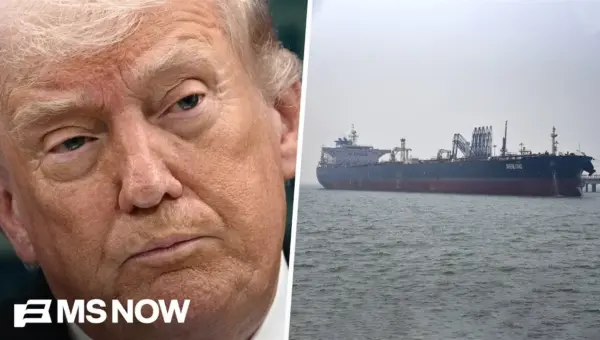
Trump Faces Iran War Fallout Amid Peace Talk Uncertainty
President Trump faces mounting pressure as the Iran conflict's outcome appears uncertain, with oil prices rising and key waterways disrupted. Meanwhile, First Lady Melania Trump has broken her silence on the Epstein files, denying any connection to Jeffrey Epstein.

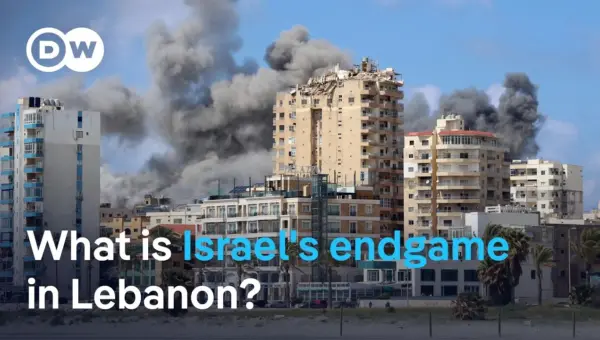
Israel Bombs Beirut, Netanyahu Approves Talks Amid Ceasefire Confusion
Israel has bombed Beirut and approved talks with Lebanon amid confusion over a US-Iran ceasefire deal. Analyst Shakria Brados explains the differing goals of the US and Israel, and how a shift in Lebanese government policy may enable cooperation against Hezbollah.