NBA’s 65-Game Rule Under Fire After Star Snubs
The NBA's 65-game rule for awards is facing backlash as stars like Luka Doncic narrowly miss out. Critics argue the rule overlooks player impact and should allow for voter discretion on player value.

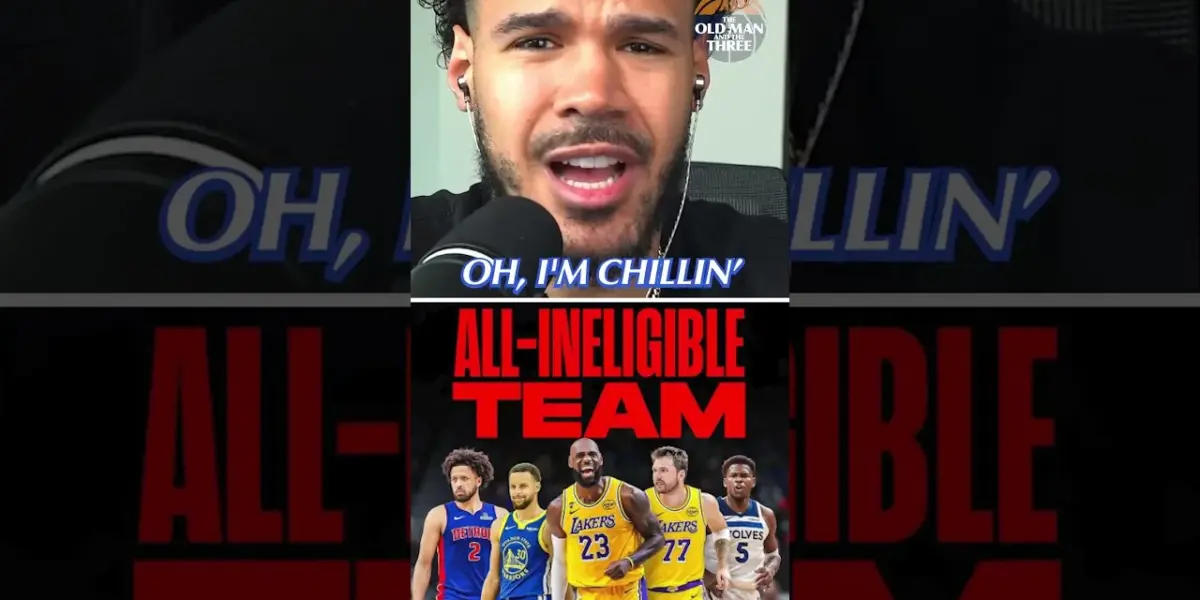
NBA’s 65-Game Rule Under Fire After Star Snubs
The NBA’s new 65-game minimum rule for major awards is facing serious questions after some of the league’s biggest stars narrowly missed out on eligibility. Players and fans alike are wondering if the rule, designed to keep top talent on the court, is actually hurting the game by overlooking players who still had massive impacts.
Luka Doncic and Nikola Jokic Missed the Cut
Take Luka Doncic, for example. If he played just two or three more games, his season total would have been 63 games. According to one perspective, playing a couple more games wouldn’t have significantly changed his overall impact or his standing as a player. The argument is that his performance over those 60-plus games already showed he was an elite talent, and those extra few games wouldn’t have suddenly pushed him into an All-NBA category if he wasn’t already considered close.
Similarly, if Nikola Jokic had played 62 games instead of falling short of the 65-game threshold, it wouldn’t have fundamentally altered his case. The feeling is that his value to his team was evident throughout the season, regardless of those few missed contests. This raises a larger point: should voters be trusted to evaluate a player’s true worth based on their on-court presence and impact, rather than just a strict game count?
Voters Should Use the ‘Eye Test’
The idea is that voters should be able to look past the exact number of games played. They should use the “eye test” to see how much a player truly meant to their team. It’s about understanding their performance and how much they helped their team win games. Many players who are now just missing out on awards have done exactly that all season long. These are real stars who have proven their worth on the court.
Rethinking the Rule for Player Health
This situation might mean the NBA needs to rethink its rules. Some players might apply for hardship waivers or other exceptions to excuse them from this rule. Those who were very close to meeting the requirement are hoping the league will reconsider. The main goal of the NBA is to have the best possible product on the court as much as possible. Injuries are a big obstacle to this goal.
The league should allow players to make smart choices about their health. It’s not about players being lazy or not wanting to play. When players sit out, even for what people call “load management,” there’s often a good reason. Teams study injuries like hamstring or muscle strains very carefully. They might tell a player that their body is in a risky state because of how they’ve played recently.
Players are often playing through pain or injuries. But when there’s a real injury that stops them from playing, or when they recover quickly, that’s different. There are many things to consider.
Protecting Players’ Will to Play
One concern is that this rule might make people question a player’s desire to compete. This can lead to unfair talk about the NBA being “soft” today. It’s important to remember that players are often dealing with real physical issues. Judging their commitment based on a strict game count might overlook the genuine challenges they face in maintaining their health throughout a demanding season.
The debate highlights a tough balance. The NBA wants its stars visible, but it also needs to protect players from burnout and injury. The current 65-game rule, while well-intentioned, might be too rigid. It could be preventing deserving players from getting recognized for their season-long efforts, leading to frustration for both the athletes and the fans who watch them play.
Source: “If Luka plays 63 games, him playing 2 or 3 more games is not going to change that much” #nba (YouTube)

Related Articles
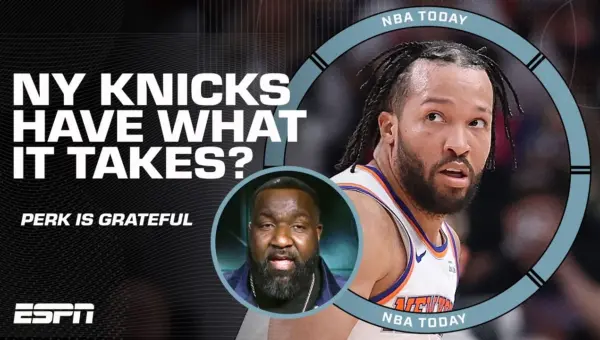
Hart Explodes for 26 as Knicks Top Celtics 112-106
Josh Hart dropped 26 points, including 15 in the fourth quarter, to lead the New York Knicks to a crucial 112-106 victory over the Boston Celtics. The Knicks also saw their two-man game between Jalen Brunson and Karl-Anthony Towns finally click. Meanwhile, LeBron James delivered another stellar performance in the Lakers' win over the Warriors, but their playoff hopes remain uncertain due to injuries.

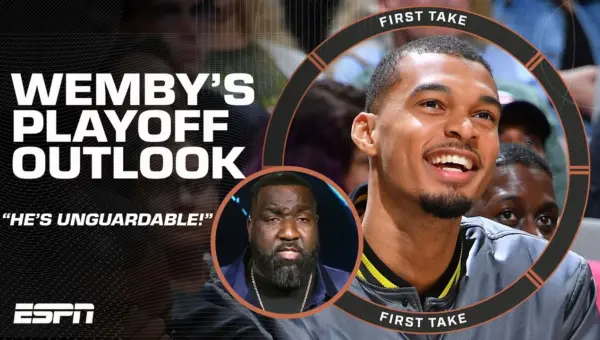
Wemby Unstoppable! Perk Declares Spurs Star ‘Un-guardable’
Perk passionately declared Victor Wembanyama 'absolutely unguardable' on offense, comparing him to Jokic and calling him a 'cheat code.' The discussion also debated playoff matchups and the complicated Giannis Antetokounmpo situation in Milwaukee.

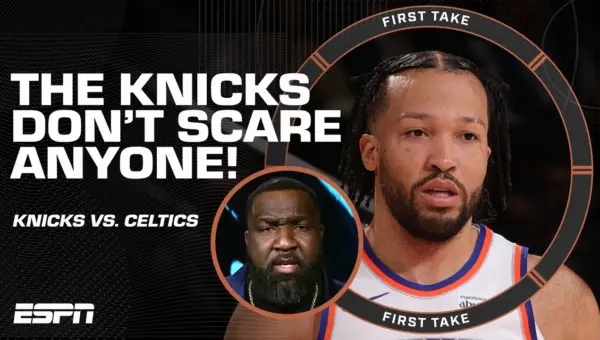
Knicks Don’t Scare Celtics, But Playoff Matchup Looms
Despite a hard-fought win over the Boston Celtics, analysts on First Take debate whether the New York Knicks truly pose a playoff threat. While some see a confident Knicks team ready to challenge, others maintain the Celtics' experience and depth make them the clear favorites in the East.