Nazi View of WWII Soldiers: Respect for Soviets, Scorn for Americans
Nazi Germany held surprisingly varied opinions of its World War II enemies. While they saw Soviet soldiers as resilient patriots and British forces as disciplined but tactically basic, their view of American soldiers was notably dismissive, labeling them mediocre and reliant only on abundant resources. This perception highlights differing battlefield strengths and motivations.

Nazi View of WWII Soldiers: Respect for Soviets, Scorn for Americans
World War II was a brutal conflict that pitted nations against each other. During this time, the German military, led by the Nazis, had strong opinions about the soldiers they fought against. A recent viral video explored these views, shedding light on how the Germans saw Soviet, British, and American troops. The findings offer a surprising look at enemy perceptions.
German Military’s High Opinion of Themselves
The German military leaders considered their own soldiers to be the best in the world. They believed them to be the most disciplined, skillful, and steadfast in battle. This high self-regard set the stage for how they viewed their opponents.
Soviet Soldiers: From Contempt to Concern
The German view of Soviet soldiers started very negatively. Strong propaganda painted the Soviet Union as a threat. Early in the war, German officers saw Soviet command as clumsy and wasteful of lives and resources. There was a lack of coordination and huge losses for the Soviets.
However, the situation changed. German officers were shocked by the determination of Soviet soldiers. They fought on even in hopeless situations. The physical and spiritual strength of the Soviets, their ability to survive harsh conditions, and their courage earned respect. The Germans also admired the Soviets’ ability to build complex fortifications and tunnels quickly.
After key battles like Stalingrad, German contempt turned into respect and even worry about the war’s outcome. They were surprised and frightened by the Soviets’ ability to launch unexpected attacks, especially at night. Soviet troops were highly effective in night battles, though their artillery was less of a threat due to a lack of ammunition. Communication problems, like not enough radios, also hurt Soviet coordination compared to the Allies.
British Soldiers: Admired but Outmaneuvered
The Germans gave British soldiers a nickname: “lions led by donkeys.” They saw the British military as professional, disciplined, brave, and tough. But they also thought the British lacked tactical understanding and couldn’t adapt well to changing situations.
German officers were surprised by the British army’s simple, direct attacks. For example, British tanks would attack German defenses head-on, often without infantry support. This surprised the Germans, especially since the British invented the tank. The British artillery, however, was seen as a strength. It deployed much faster than American artillery and was crucial for Allied forces in the West.
American Soldiers: Mediocre and Resource-Driven
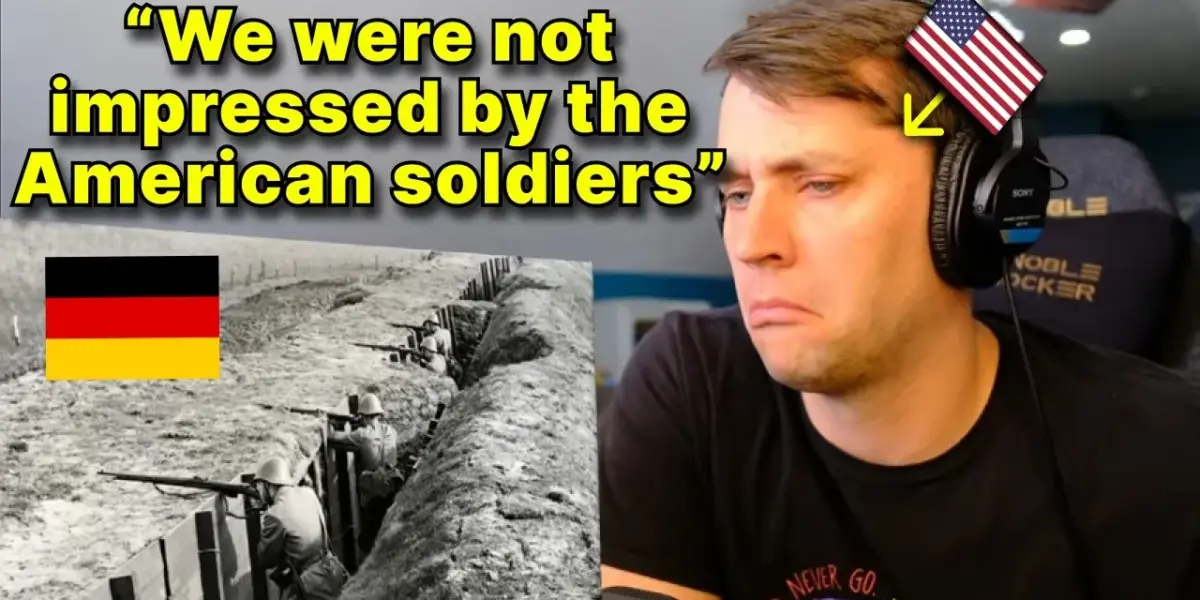
The German opinion of American soldiers was quite negative. Those who fought Americans on the Western Front described them as mediocre soldiers. They believed Americans lacked stamina and determination. Victories for the U.S. Army, according to this view, came only from having unlimited resources.
American soldiers were seen as aggressive but tactically clumsy. Their tactics were often described as primitive, like sending troops forward with overwhelming firepower. The soldiers, in the German view, didn’t show great zeal or heroism. They simply did their job and tried to survive the war. This straightforward approach made them vulnerable to German ambushes, which were very effective.
The Germans found it easy to defeat Americans in ambushes, even when outnumbered. The only American weapon that truly impressed and intimidated the Germans was their artillery. While it was considered less efficient and accurate than British artillery, its sheer abundance of ammunition and skilled coordination made it a powerful force.
Why This Matters
Understanding how enemies viewed each other during wartime provides crucial historical context. It moves beyond simple narratives of good versus evil and explores the complex realities of combat. These perceptions, whether accurate or not, influenced battlefield decisions and morale.
The German perspective highlights how different fighting styles and national strengths were perceived. The Soviets’ sheer resilience and fighting spirit, the British tactical simplicity but strong artillery, and the American reliance on overwhelming resources all paint a picture of varied Allied capabilities. This analysis challenges the often-glorified image of war, reminding us that soldiers were humans facing immense fear and pressure.
Implications and Future Outlook
This German assessment suggests that while American industrial might and firepower were decisive in the long run, their battlefield tactics and soldierly spirit were, in the German view, less impressive than those of their Soviet and even British counterparts. This might inform how military strategists analyze troop performance and the impact of national resources versus individual soldier motivation.
The video implies that the American soldiers’ motivation might have been different. Fighting across an ocean for a cause that didn’t directly threaten their homeland, compared to the Soviets defending their nation, could create a distinct mindset. The German view that Americans lacked the desire for mortal risk for their country, while well-equipped, points to a potential disconnect between industrial power and the ultimate will to sacrifice.
Historical Context
During World War II, Nazi Germany fought a multi-front war. Their primary ideological enemies were the Soviet Union and, to a lesser extent, the Western Allies like Britain and the United States. German propaganda was instrumental in shaping public and military opinion about these enemies. The initial German invasion of the Soviet Union was swift, but the vastness of the country and the fierce resistance of the Soviet people, despite immense losses, surprised and eventually bogged down the German army.
The war in the West, particularly after the D-Day landings, saw American and British forces fighting on the European continent. While the Allies eventually achieved victory through combined efforts and overwhelming material superiority, the German perspective suggests that the nature of this struggle and the motivations of the soldiers involved were perceived differently by the enemy.
General George S. Patton’s famous quote, “Nobody ever won a war by dying for his country. You win a war by making the other poor bastard die for his country,” reflects a pragmatic view of warfare that aligns with the idea that overwhelming enemy resources and casualties, rather than personal sacrifice, could be a path to victory. This contrasts with the German perception of Soviet soldiers fighting to the last drop of blood.
Conclusion
The German military’s assessment of their World War II enemies reveals a complex picture. They held a grudging respect for Soviet resilience and fighting spirit, saw the British as professional but tactically simple, and largely dismissed American soldiers as mediocre, relying solely on their vast resources. This insight offers a unique, albeit biased, perspective on the human element of one of history’s most significant conflicts.
Source: American reacts to: What did the Nazis Think about American Soldiers? (YouTube)

Related Articles


Hidden Stories: Uncovering Nazi Persecution of ‘Mischlinge’
A hidden manuscript by Sharon Ring's uncle revealed the forgotten story of 'Mischlinge,' individuals with both Jewish and 'Aryan' ancestry persecuted by the Nazis. Classified under the Nuremberg Laws, these individuals were often condemned to slave labor and faced severe discrimination, with their experiences largely overlooked until now.


Soldier Fights WWII 29 Years After War’s End
Three chilling true stories unfold: a Japanese soldier fighting for decades after WWII, a tragic accident on a coastal cliffside, and a death linked to the infamous King Tut's curse. These narratives explore duty, fate, and the unexplained.

War Movies That Felt Too Real: Top 10 Accurate Scenes
From the chaotic beaches of Normandy to the claustrophobic depths of a U-boat, these 10 war movie scenes are lauded for their harrowing accuracy. Discover the films that brought the brutal realities of conflict to the screen with unflinching detail.