Navy Eyes Robot Drones for Mine Warfare
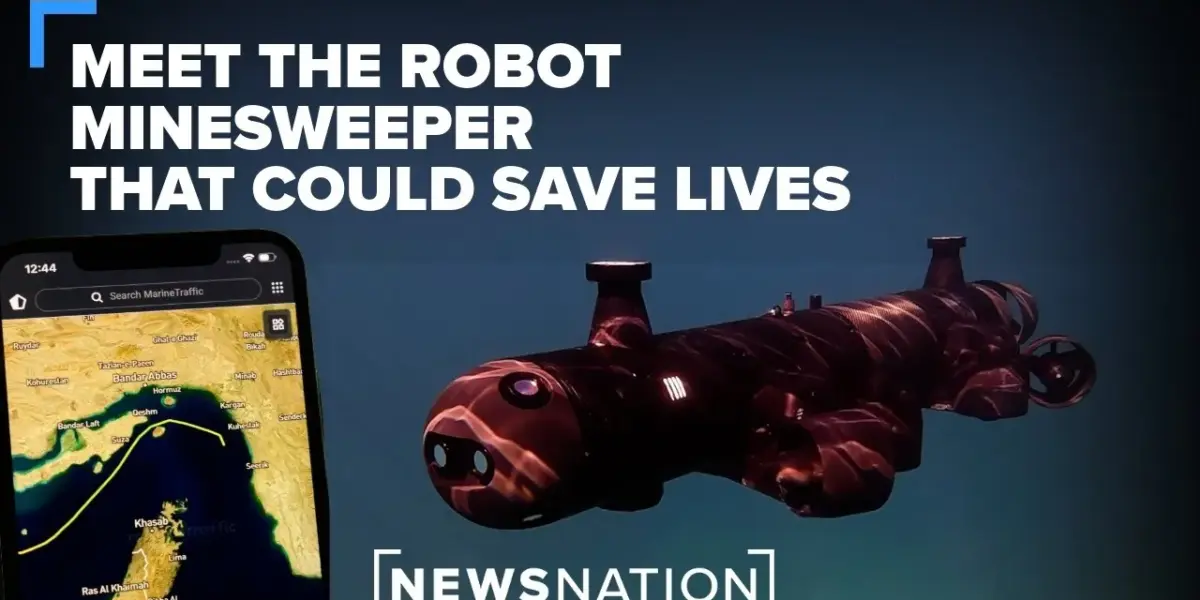
A new underwater drone, the Mako, developed by Ulysses Maritime Technologies, is being eyed by the U.S. military for mine detection and disposal. Originally designed for environmental restoration, this autonomous vehicle could enhance naval defense, especially amid rising tensions in the Strait of Hormuz.

Navy Eyes Robot Drones for Mine Warfare
The U.S. Navy is exploring new underwater robot drones to handle dangerous mine-clearing missions. A startup called Ulysses Maritime Technologies has developed a drone called the Mako. It was first designed to help ocean plants grow back. Now, it could be used by the military to find and get rid of underwater mines. This comes at a time when tensions are high in the Middle East, especially near the Strait of Hormuz.
Meet the Mako Drone
Nancy Loo from NewsNation visited Ulysses Maritime Technologies in San Francisco. She saw the Mako drone up close. The company’s co-founders, Akhil Voorakkara and Will O’Brien, explained how the drone works. The Mako is an autonomous underwater vehicle, meaning it can operate on its own without a person controlling it in real time. It’s designed to fit inside a tube, making it easy to launch and recover from ships.
The Mako has a modular design. This means different parts can be added or changed easily. This allows it to be used for various tasks. It can also sense things deep underwater. This is important for finding hidden threats. The drone’s ability to work in deep water and its advanced sensors make it a valuable tool.
Clearing Underwater Mines: A Growing Threat
Underwater mines are a serious danger to ships. They can be hard to find and even harder to remove safely. Divers often have to do this risky work. The Mako drone offers a way to do these jobs without putting human lives at risk. It can map the seafloor and identify potential mine locations. Once a mine is found, the Mako can be equipped to deal with it.
The drone uses sonar, a technology that uses sound waves to create images of the underwater environment. This sonar mapping helps create a detailed picture of the seabed. It can spot objects that don’t belong there, like mines. The Mako can also be set up with different tools. These tools can help disable or remove mines. This technology could greatly speed up and improve mine countermeasures operations.
Military Interest and Global Tensions
The U.S. military is showing interest in this technology. The Strait of Hormuz is a key shipping route. It connects the Persian Gulf to the open ocean. Many oil tankers pass through this narrow waterway every day. Iran and other countries in the region have sometimes threatened to mine the strait. This would disrupt global oil supplies and trade.
The Mako drone could help monitor these waters. It can quickly assess areas for threats. This would give naval forces a better understanding of the situation. It could also help clear any mines that are placed. The co-founders mentioned that the drone’s capabilities have been tested around the world. This shows its potential for various naval operations.
Cost and Future Possibilities
The price of the Mako units was discussed. While specific figures weren’t detailed, the founders suggested it is more affordable than traditional methods. This lower cost could allow more units to be deployed. Ulysses Maritime Technologies also emphasizes the drone’s ecological benefits. Its original mission was to help restore seagrass beds. This means it can perform military tasks while also having a positive environmental impact.
The company is also exploring other uses for the Mako. They addressed the question of whether the drone could be used as a weapon. While its primary focus is on mine detection and disposal, its modular nature means it could potentially be adapted for other roles. However, the current emphasis is on its defensive capabilities.
Challenges and the Road Ahead
Developing new technology is never easy. The founders mentioned facing obstacles during the Mako’s construction. These challenges are common in advanced engineering. Ulysses and the Mako drone are looking towards the future. They aim to continue developing and testing their technology. The goal is to provide the U.S. military with advanced tools for maritime security.
Global Impact
The development of autonomous underwater vehicles like the Mako has broad implications. In a world where maritime trade is vital and geopolitical flashpoints persist, the ability to secure sea lanes is crucial. The Strait of Hormuz is just one example. Similar choke points exist in other regions. Drones like the Mako offer a way to enhance security without the high cost and risk associated with human divers or larger naval vessels.
This technology represents a shift towards unmanned systems in defense. It allows for persistent surveillance and rapid response to threats. The fact that the Mako was originally designed for environmental restoration highlights a trend in dual-use technology. These systems can serve both civilian and military purposes. This could lead to more efficient use of resources and innovation.
The potential for these drones to operate in difficult or contested waters could change how navies approach mine warfare and maritime security. It offers a more agile and potentially more cost-effective solution. This could reshape naval strategies and operational capabilities in the coming years.
Source: Meet the robot that finds mines so divers don't have to | NewsNation Reports (YouTube)

Related Articles

US Blockades Iran; Trump Threatens Naval Annihilation
The US has implemented a naval blockade on Iranian ports, with President Trump issuing a stark warning to destroy any Iranian ships that approach. This move significantly escalates tensions and is expected to impact global oil prices, particularly affecting Asian nations like China. The strategy aims to pressure Iran back to negotiations, but carries risks of wider conflict.
US Blockades Iran Ports: Economic Blow or Empty Threat?
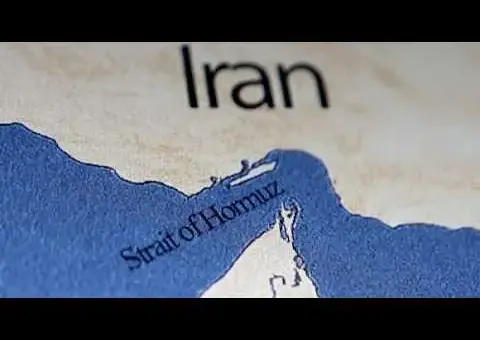
The US has initiated a blockade of Iranian ports, aiming to cripple Iran's oil exports and economy. While ships traveling between non-Iranian ports are exempt, the move signifies a significant escalation. Analysts question its effectiveness and Iran's potential response.


Iran War Risk: US Action Could Backfire, Expert Warns
A former U.S. deputy national security advisor warns that American naval actions in the Strait of Hormuz could backfire, potentially hurting the U.S. more than Iran if the conflict prolongs. He also expressed doubts about the current administration's ability to conduct effective diplomacy with Iran.