NATO Fails Key Test, Admiral Warns
Retired Rear Admiral Peter Brown argues that NATO failed a critical test by not fully supporting U.S. actions against Iran. He discusses the alliance's reliance on the U.S. and the importance of the Strait of Hormuz. The analysis also touches on Iran's position and China's growing global influence.

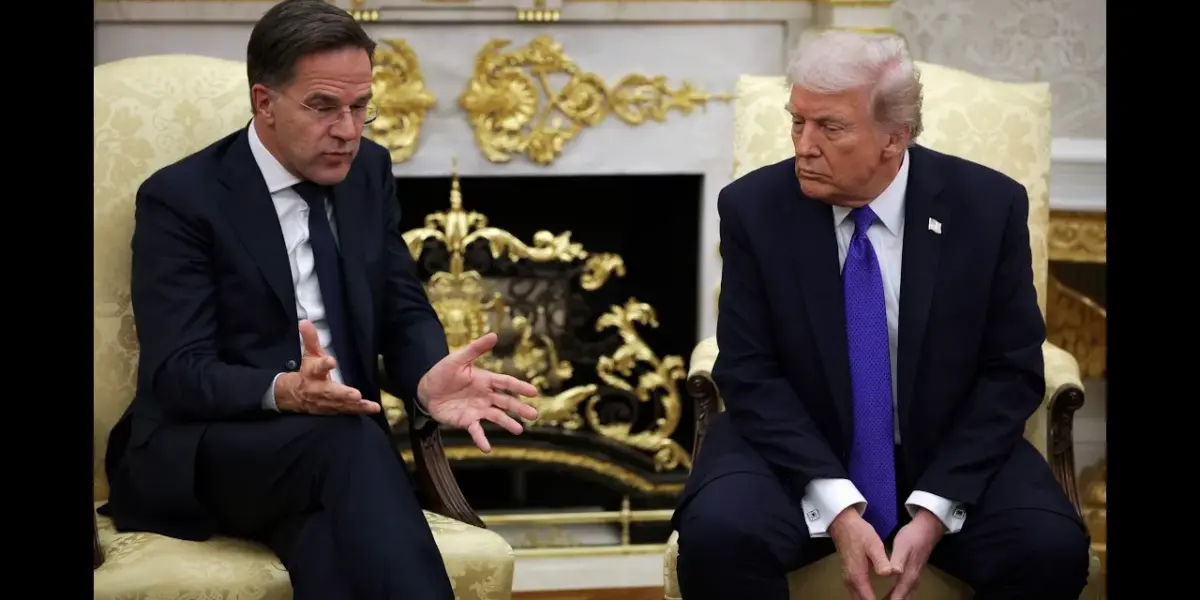
NATO’s Stance Under Fire
President Trump recently voiced strong criticism regarding NATO’s limited support for U.S. military actions against Iran. This criticism came just before NATO Secretary General Mark Rutte visited the White House for discussions. The White House stated that a ceasefire deal with Iran would hold as long as the Strait of Hormuz remained open. To discuss these complex issues, Rear Admiral Peter Brown, a retired U.S. Coast Guard officer, joined the conversation. He also has experience as a former Homeland Security and counterterrorism advisor to President Trump.
Trump’s Criticism of NATO
The White House press secretary shared President Trump’s views on NATO, stating, “They were tested and they failed.” The president also expressed disappointment, saying it was “quite sad that NATO turned their backs on the American people.” He pointed out that Americans have been funding NATO’s defense efforts. The press secretary indicated that President Trump intended to have a “frank and candid conversation” with Secretary Rutte about these matters, including the possibility of the U.S. withdrawing from NATO.
Admiral Brown’s Perspective on NATO’s Effectiveness
Admiral Brown believes President Trump’s criticism of NATO’s effectiveness is valid. He noted that European countries have long relied heavily on the United States for their security needs. This reliance, he argued, has weakened them internationally. Admiral Brown also pointed out that NATO often seeks consensus, which can hinder decisive leadership. He stated that President Trump prioritizes clear U.S. strategic objectives over political niceties, a different approach than previous administrations.
NATO’s Role and Responsibilities
A key question is whether NATO should take the initiative to support U.S. military objectives, especially when those objectives benefit the global community, or only react to direct attacks on member nations. Admiral Brown explained that a major benefit of NATO is the ability of its member militaries to work together. This interoperability has been used in various situations beyond just defending against a potential Russian invasion of Western Europe. He argued that NATO shouldn’t only act when there’s an existential threat to a member state. There are other “compelling security interests” for Western Europe, the U.S., and even Turkey, which borders Iran, that NATO should address.
The Strait of Hormuz: A Global Choke Point
The Strait of Hormuz has become a clear example of what happens when a critical geographic or economic point is blocked. About 20% of the world’s oil flows through this strait, primarily to Asia and Europe. When a vital transportation route or supply chain is threatened by an adversary, it causes instability. This can be used to hold other nations hostage if their economic needs are cut off. Admiral Brown believes this situation will likely lead to a negotiated settlement. He suggested that U.S. officials are in the best position to negotiate and dictate the terms.
Iran’s Position and Potential Outcomes
Iran’s parliament has called the U.S. ceasefire terms unreasonable. However, Admiral Brown suggests Iran is not in a strong position to resist. Much of its conventional weapons capability has been destroyed, and its economic lifelines are at risk. He believes that over the coming weeks, Iran’s leaders will recognize the serious threat to their nation. They will likely agree to a settlement that allows the Strait of Hormuz to reopen for global commerce. This is essential for Iran to resume selling its oil, especially to trading partners like China.
Navigating International Law and Asymmetric Threats
Dealing with adversaries who do not respect the international rules-based order presents challenges. The idea that nations will respect each other and follow the laws of armed conflict, like the Geneva Conventions, is difficult when an opponent does not agree to the same rules. This can make it hard for the U.S. and its allies to achieve their military objectives without potentially violating those rules. Admiral Brown highlighted that while some may call bombing a certain facility a war crime, it is equally a war crime to deliberately put civilians in harm’s way. He noted that the Iranian government has often put its own civilians, including women and children, in danger, creating an asymmetric threat where they commit war crimes against their own people.
Iran’s Claims of Victory and External Influences
Despite military setbacks, Iran has claimed victory regarding the ceasefire. This is partly to maintain internal satisfaction and project strength within the broader Islamic world. However, other Gulf states view the situation differently. Admiral Brown observed that much of the messaging from Iran is written in English for Western audiences, suggesting an effort to shape perceptions. He remains confident that Iran will eventually agree to terms it would have previously rejected.
China’s Role and Strategic Implications
President Trump suggested that China played a role in bringing Iran to the negotiating table. Chinese special envoys have been involved in diplomacy in the Middle East. Military analysts have noted that China’s use of AI-powered satellite imagery could potentially help Iran launch precision strikes. Admiral Brown confirmed that China and Iran often cooperate to advance their interests globally, including in regions like Venezuela and Cuba. He is certain that China is closely studying the tactical and strategic lessons from recent hostilities. This information will influence China’s future planning, particularly concerning potential conflicts with the West and how to defend areas like the South China Sea. It’s worth noting that about 40% of China’s oil imports pass through the Strait of Hormuz, highlighting its significant stake in the region.
Why This Matters
This analysis highlights critical questions about the effectiveness and purpose of international alliances like NATO. When a key member, like the United States under President Trump, feels unsupported in critical security situations, it raises doubts about the alliance’s value. The situation in the Strait of Hormuz also underscores the fragility of global supply chains and how geopolitical tensions can directly impact the world economy. The discussion also touches upon the challenges of dealing with adversaries who operate outside established international norms, forcing difficult choices for nations trying to uphold those norms.
Implications and Future Outlook
The events discussed suggest a potential shift in how alliances function. If key members feel their security interests are not being met, they may reconsider their participation. The situation with Iran and the Strait of Hormuz demonstrates the power of economic choke points and the potential for their weaponization. This could lead to increased efforts by nations to secure alternative supply routes and reduce dependency on such vulnerable passages. Furthermore, the involvement of China in regional diplomacy and its strategic learning from conflicts signals a growing assertiveness on the global stage. This points to a future where international relations may become more complex, with shifting alliances and increased competition.
Historical Context
NATO was formed after World War II to provide collective security against the Soviet Union. For decades, its primary focus was defending Western Europe. However, in recent years, NATO has expanded its operations and missions beyond its original scope. The current debate reflects a long-standing tension within the alliance about burden-sharing and the extent of commitment member states should have to each other’s security concerns, especially when those concerns are not directly related to the defense of the European continent itself. The U.S. has often pushed its European allies to increase their defense spending, a call that has seen varying degrees of success over the years.
Source: NATO Shows Lack of Effectiveness When ‘Compelling Security Interests’ Are on the Line: Ret. Admiral (YouTube)

Related Articles

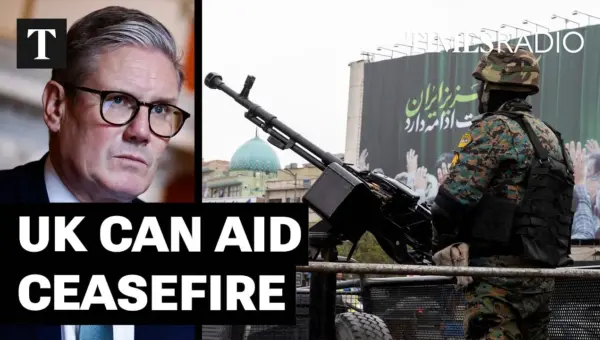
UK Offers Iran Negotiation Insight to Aid Trump’s Stalled Deal
The UK is offering its diplomatic expertise to the US to help President Trump navigate complex negotiations with Iran. As talks loom amidst uncertainty and strained UK-US relations, London believes its experience can aid in achieving a settlement and reopening the Strait of Hormuz. Discussions also highlight the UK's defense readiness and its role in regional stability.

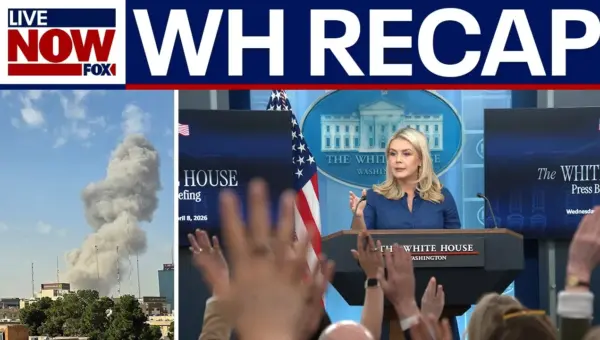
Iran Nuclear Talks Heat Up Amid Ceasefire Concerns
The White House is clarifying its stance on Iran's nuclear program, emphasizing that enrichment is off the table. Meanwhile, a high-level delegation is heading to Pakistan for critical talks amid reports of continued hostilities and the alleged closure of the Strait of Hormuz, testing a fragile ceasefire.

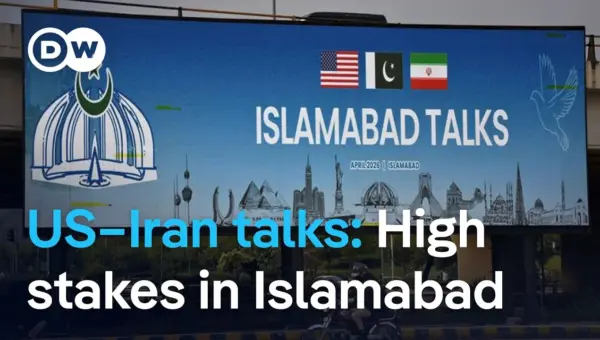
US-Iran Talks Falter Amid Hormuz Standoff, Ceasefire Strain
A fragile ceasefire between the US and Iran is under severe strain as tensions rise over the critical Strait of Hormuz. Both nations accuse each other of violating the terms of a recent deal, while international efforts to secure the vital shipping lane intensify. Crucial peace talks are underway in Pakistan, but deep-seated distrust and maximalist demands from both sides cast doubt on the likelihood of a comprehensive agreement.