NATO Faces Crisis as Trump Threatens Alliance Withdrawal
NATO Secretary General Mark Rutte is in Washington to meet President Trump amid the alliance's worst crisis. Trump's threats to withdraw the U.S. and actions regarding Iran have eroded trust among European allies. Rutte's ability to leverage his personal relationship with Trump may determine NATO's future.

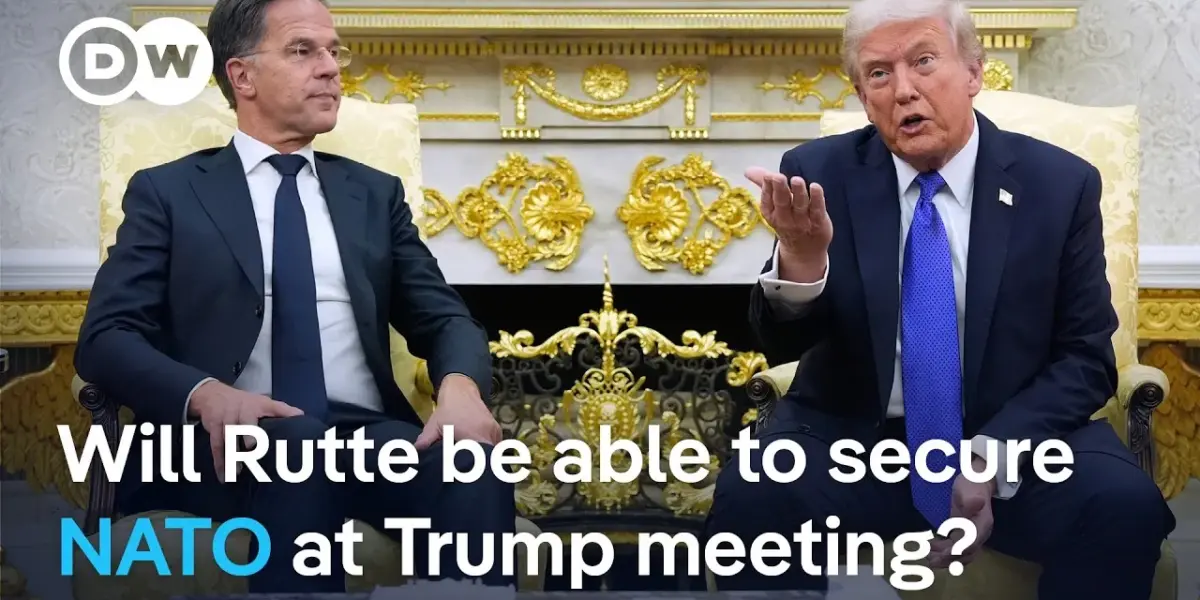
NATO Faces Existential Crisis Amidst US Strains
NATO, the military alliance of North American and European countries, is currently experiencing what some experts are calling its most severe crisis. This situation has intensified as NATO Secretary General Mark Rutte visits Washington D.C. to meet with U.S. President Donald Trump. The meetings aim to mend strained relations between the United States and its NATO allies, a relationship that has been severely tested by recent events.
Trump’s Growing Discontent with NATO
President Trump has repeatedly voiced strong criticism against NATO members. He has accused them of not contributing enough financially and of ignoring his calls for greater involvement in the Strait of Hormuz during the recent Iran conflict. Furthermore, Spain’s refusal to allow the U.S. to use its air bases for operations related to Iran has added to the tension. Trump has even gone so far as to threaten the possibility of the United States leaving NATO altogether.
A New Level of Crisis
While NATO has faced numerous challenges throughout its history, including recent tensions with Russia over Ukraine and debates about defense spending, the current crisis is seen as fundamentally different. Experts note that Trump’s past criticisms and threats to withdraw U.S. resources were concerning, but the current situation has escalated. European allies now feel that U.S. actions, particularly regarding Iran, pose a direct threat to their own security. This has led to a significant loss of trust in the United States’ commitment to allied safety.
European Allies Take Action
The conflict in Iran appears to have marked a turning point for NATO. European allies are not only voicing their disapproval but are also taking concrete steps to prevent the U.S. from using their military assets for offensive actions they deem harmful. This marks an unprecedented shift, where allies are actively pushing back against U.S. military directives, signaling a deep rift within the alliance. This has led many to believe that NATO is nearing a breaking point.
Mark Rutte: The “Trump Whisperer”?
Mark Rutte, the Secretary General of NATO, is often described as a “Trump whisperer” due to his ability to communicate effectively with the U.S. President. Rutte has a history of praising the Trump administration’s actions, even on contentious issues like Iran. He has publicly supported U.S. efforts to counter Iran’s nuclear ambitions, suggesting that many allies share this view. While behind-the-scenes opinions may differ, Rutte’s public support could earn him goodwill in his upcoming meeting with Trump.
A Test of Personal Diplomacy
The success of Rutte’s visit hinges heavily on his personal relationship with President Trump. Trump himself recently called Rutte “a great person,” suggesting an open channel for dialogue. Rutte’s diplomatic skills were evident in a past incident where he managed to persuade Trump to halt threats of a military invasion of Greenland. Observers are now watching closely to see if Rutte can again de-escalate tensions and secure Trump’s renewed commitment to NATO.
Potential Consequences of Alliance Breakdown
If Rutte’s efforts to keep Trump committed to NATO fail, the consequences could be severe. Trump has the power to follow through on his threats to withdraw the U.S. from the alliance. Article 13 of NATO’s founding treaty allows any member country to leave with one year’s notice. However, many fear that a formal withdrawal might be less damaging than other actions Trump could take. These include withdrawing tens of thousands of U.S. troops stationed in Europe or denying NATO access to critical U.S. military capabilities. Such capabilities include intelligence gathering, reconnaissance, surveillance, ballistic missile defense, and the crucial nuclear deterrent that protects European allies. Without these, the alliance could be severely weakened, unable to fulfill its collective defense obligations.
What’s Next for NATO?
The outcome of Mark Rutte’s meeting with Donald Trump will be closely watched. The future stability and effectiveness of NATO may depend on the personal rapport between the two leaders and their ability to bridge the growing divide. Allies will be looking for signs of renewed U.S. commitment to the alliance’s core principles. Any indication of further U.S. disengagement could prompt European nations to accelerate their own defense initiatives and potentially reshape transatlantic security arrangements.
Source: NATO Chief Rutte to meet Trump as alliance remains in crisis | DW News (YouTube)

Related Articles

Middle East Must Lead Iran Response, US Steps Back
Radio host Glenn Beck argues that Middle Eastern nations, not the US, must take the lead in addressing regional security threats like Iran. He believes former President Trump's policies are reshaping global order, encouraging allies to become more self-reliant. This signals a potential shift away from traditional US global leadership.

Putin’s Ceasefire Gambit: A Bid for Control
Putin's Easter ceasefire proposal is seen as a bid to regain control of the war narrative amidst battlefield stagnation. Concerns rise over potential U.S. pressure on Ukraine for concessions, while NATO's future and Ukraine's security outlook remain uncertain.
US-Iran Talks Collapse: Trump’s Dealmaking Falters
Recent U.S.-Iran negotiations in Pakistan have collapsed, with both sides blaming the other for changing the framework and imposing demands. The failure raises concerns about renewed conflict and highlights deep-seated mistrust.