NATO Crumbles as Trump Eyes Iran Deal
NATO is reportedly fractured, facing internal divisions and a lack of support for U.S. initiatives. Meanwhile, Iran has agreed to unspecified terms with the U.S., a move President Trump is expected to highlight positively. These developments could reshape global alliances and impact energy markets.

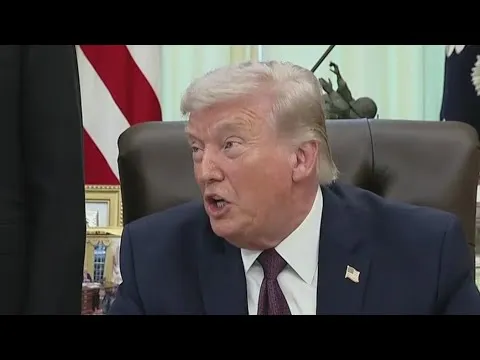
NATO Alliance Fractures Amidst Shifting Geopolitical Tides
The North Atlantic Treaty Organization (NATO), a cornerstone of Western defense for decades, is facing an unprecedented crisis. According to analysis, the alliance is effectively shattered, likened to Humpty Dumpty, with little hope of full recovery. This breakdown stems from a series of disagreements and a perceived lack of support from key European members towards the United States, particularly during times of need.
President Trump has expressed frustration over what he sees as European allies not pulling their weight. He expected more support from NATO members, but instead felt let down. An example cited is Spain denying landing rights to U.S. air power, an action seen as spiteful, especially since Spain is a socialist country and, according to this view, does not pay its fair share for NATO’s defense.
This lack of cooperation extends beyond specific incidents. The analysis suggests that NATO members often fail to coordinate effectively and harbor mutual distrust. The French and Germans, for instance, are described as disliking each other, highlighting a deeper fragmentation within the alliance. Despite these internal divisions, many European nations seem to dislike President Trump, viewing him negatively.
This internal friction within NATO is particularly concerning given the current geopolitical climate. The analysis points to Russia and China as significant threats. Europe’s proximity to Russia, and leaders like Angela Merkel and Vladimir Putin, means that a conflict could easily escalate and engulf the continent. Many people, it is argued, find it hard to believe that Iran is capable of launching attacks, and they prefer to believe that Trump is the villain, rather than facing the complex realities of international security.
Iran Deal: A Potential Breakthrough or Strategic Maneuver?
Simultaneously, a significant development is unfolding regarding Iran. It is reported that Iran has agreed to something with the United States. While the specifics are not yet fully disclosed, it is expected to be revealed soon, possibly by mid-afternoon tomorrow. President Trump, known for his communication style, is anticipated to deliver a positive speech, framing this development as a success.
This potential agreement with Iran is crucial, especially as President Trump prepares for a visit to Beijing in mid-April. China is a major player in global energy markets, relying heavily on oil imports. China receives 80% of its oil, and the flow of this oil is a key factor in the broader geopolitical equation. Any resolution or de-escalation with Iran could impact global oil prices, a factor that directly affects U.S. voters.
The analysis suggests that President Trump’s focus remains on the U.S. voter, particularly in light of upcoming midterm elections. A decrease in gas prices, potentially resulting from a more stable situation involving Iran, would be a significant political win. The argument is that by confronting adversaries and achieving diplomatic or security successes, the administration can bolster its support among a divided American electorate.
The Arctic: A New Frontier for Competition
The conversation also touches upon the strategic importance of the Arctic. The idea of the United States taking charge of Greenland was raised, with the aim of establishing a defensive front against Russia and China. However, this proposal seems to have receded, partly because it didn’t make practical sense, as U.S. access to Danish territory (Greenland is a Danish territory) is already possible.
The broader question remains whether the Arctic can serve as a joint defensive zone for NATO against escalating threats from Russia and China. The current disarray within NATO raises doubts about the alliance’s ability to effectively coordinate a defense strategy in this crucial region. The lack of trust and cooperation among members could undermine any attempts to create a united front in the Arctic.
Global Impact and Future Scenarios
The disintegration of NATO, if it continues, would fundamentally alter the global security architecture. A weakened NATO could embolden adversaries like Russia and China, potentially leading to increased instability in Europe and Asia. The United States might find itself bearing a greater burden for global security, or it might adopt a more isolationist stance.
The potential agreement with Iran, while framed positively by the Trump administration, carries its own set of risks and rewards. It could lead to a reduction in regional tensions and impact global energy markets. However, the long-term implications and Iran’s adherence to any new terms will be critical. The emphasis on domestic politics, particularly gas prices and voter sentiment, highlights how international policy is often intertwined with electoral calculations.
The future of European security might depend on the ability of European nations to overcome their internal divisions and develop a more cohesive foreign and defense policy, independent of or in conjunction with a potentially diminished NATO. The Arctic remains a region of growing strategic importance, where competition between major powers is likely to intensify, further complicating the global balance of power.
Source: Iranians have agreed to something with US: Bill O’Reilly | Katie Pavlich Tonight (YouTube)

Related Articles

US Faces Iran War Test Amid Shifting Goals
President Trump faces a critical juncture in the war with Iran, with shifting objectives and domestic pressures influencing his strategy. Iran's control over the Strait of Hormuz presents a significant challenge, testing American resolve and global leadership.

NATO Crumbles as Allies Shun U.S. Over Oil and Arctic Defense
NATO allies are showing signs of fracture, prioritizing national interests over collective security, impacting global oil routes and Arctic defense. European nations are urged to secure their own energy, while Spain's refusal of U.S. air power highlights growing disunity. President Trump's upcoming address will likely focus on these issues and domestic economic concerns.

US Allies Face Oil Crisis as Trump Shifts Burden
President Trump's stance on allies securing the Strait of Hormuz signals a major shift in US foreign policy, risking global economic stability. Rising oil prices are already impacting consumers, with further price hikes expected for everyday goods. This disruption highlights the interconnectedness of the global economy and could reshape international alliances.