NATO Crumbles as Allies Shun U.S. Over Oil and Arctic Defense
NATO allies are showing signs of fracture, prioritizing national interests over collective security, impacting global oil routes and Arctic defense. European nations are urged to secure their own energy, while Spain's refusal of U.S. air power highlights growing disunity. President Trump's upcoming address will likely focus on these issues and domestic economic concerns.

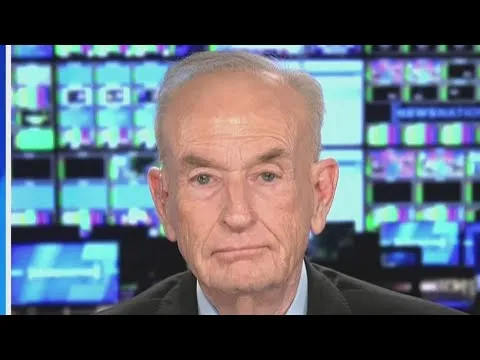
NATO Alliance Fractures Amidst Shifting Global Interests
The long-standing North Atlantic Treaty Organization (NATO) is facing a severe crisis, with key European allies increasingly acting in their own self-interest rather than supporting collective security. This breakdown in unity is significantly impacting global stability, particularly concerning energy security and defense strategies in critical regions like the Arctic.
European Allies Prioritize National Oil Needs
President Trump has openly criticized NATO allies for not securing their own energy resources, specifically oil, instead of relying on the United States to manage conflicts like those in the Strait of Hormuz. This statement highlights a growing tension: European nations, which benefit greatly from open oil routes, are being urged to take more responsibility for their own energy independence. The implication is that if these allies were more self-sufficient, the U.S. would not need to commit resources to protecting shipping lanes, freeing up American assets for other priorities.
Spain’s Refusal of U.S. Air Power Highlights Disunity
A stark example of this fracturing alliance is Spain’s denial of landing rights for U.S. air power. Reportedly driven by spite and socialist policies, Spain’s actions demonstrate a lack of cooperation even in critical situations. This move is particularly concerning as it hinders U.S. military operations, which are often vital for maintaining global security and, by extension, protecting European interests. The speaker suggests that Spain’s failure to pay its NATO dues and its uncooperative stance might make its membership questionable.
Arctic Defense Strategy Undermined
The breakdown in NATO cooperation extends to strategic defense planning. The idea of a joint defensive front against Russia and China in the Arctic, potentially involving U.S. control over Greenland, is now in doubt. When allies refuse to grant access to bases during crises, it raises serious questions about their commitment to mutual defense. This lack of coordination weakens the collective ability to respond to threats, particularly in the strategically important Arctic region, where both Russia and China are increasing their presence.
Internal NATO Discord and Distrust
Beyond specific incidents, there is a deeper issue of distrust and lack of coordination among NATO members. The speaker describes a scenario where nations like Germany and France do not cooperate well with each other, let alone with the U.S. This internal friction makes the alliance less effective. While many European leaders dislike President Trump, their internal squabbles and dependence on the U.S. for defense create a fragile situation, especially given the potential for conflict in Eastern Europe.
Trump’s Address: Domestic Focus and Economic Pressure
President Trump is expected to deliver a positive address, focusing on his administration’s achievements, often referred to as his ‘greatest hits.’ A key theme will likely be the need for allies to support U.S. efforts, especially regarding energy prices. Lower gas prices are a critical concern for the American voter, and Trump aims to link international stability and allied cooperation directly to economic benefits for the U.S. public. This domestic focus is crucial as mid-term elections approach, with the electorate sharply divided on his presidency.
China’s Role in Energy Markets
China’s significant reliance on oil imports, with 80% of its supply coming from the Persian Gulf, makes it a major player in the energy equation. Any disruption to oil flow directly impacts China’s economy. This dependency could be a factor in potential negotiations or a reason for China to push for stability in the Strait of Hormuz. The U.S. strategy may involve leveraging this dependency to pressure Iran and influence global oil prices.
Iran Deal: A Shift Towards Internal Pressure
The future of any deal with Iran seems to hinge on internal changes within the country. The analysis suggests that rather than a direct diplomatic agreement, the strategy might involve undermining the current Iranian regime, hoping the Persian people will overthrow it, similar to the 1979 revolution against the Shah. If the regime remains, the hope is that they will agree to open the Strait of Hormuz, leading to lower global gas prices. A key condition for any agreement will be Iran abandoning its nuclear ambitions.
Drug Abuse and Societal Decay
Beyond international affairs, the discussion touches on domestic issues, particularly the drug abuse crisis and homelessness. The situation in San Francisco is presented as a cautionary tale, where policies intended to be compassionate are seen as enabling destructive behavior. With an estimated 40,000 drug addicts allegedly operating freely, and a significant percentage of the homeless population being drug-addicted, the city is struggling. The speaker criticizes the approach, arguing that allowing self-destruction is not compassion and that mandatory treatment centers are a more effective solution.
The Tiger Woods Incident and Public Perception
The arrest of Tiger Woods for alleged drug influence brings the issue of addiction to the forefront. While acknowledging Woods’s admission of being a drug addict, the speaker expresses hope for his recovery. However, the incident also highlights a broader cultural tendency in the U.S. to celebrate the downfall of famous individuals, a phenomenon the speaker finds troubling. The focus shifts back to addiction as a solvable problem through intervention and treatment, rather than enabling destructive behavior.
Media Accuracy and Public Trust
The conversation concludes with a critique of media reporting, specifically citing a Daily Mail story that allegedly misrepresented developments in a murder trial. The speaker argues that inaccurate reporting, especially in sensitive legal cases, erodes public trust and can even interfere with justice. This highlights the importance of factual accuracy in journalism, particularly when dealing with legal proceedings and public perception.
Source: Bill O’Reilly previews Trump’s address to nation, talks latest on Iran | Katie Pavlich Tonight (YouTube)

Related Articles

Markets Rally on War End Hopes, But Risks Remain
Global markets surged on hopes of a swift end to the Iran conflict, but analysts warn that elevated oil prices and ongoing geopolitical risks could still significantly impact economic growth. The true economic fallout may not yet be fully reflected in stock prices.

US Faces Iran War Test Amid Shifting Goals
President Trump faces a critical juncture in the war with Iran, with shifting objectives and domestic pressures influencing his strategy. Iran's control over the Strait of Hormuz presents a significant challenge, testing American resolve and global leadership.

US Allies Face Oil Crisis as Trump Shifts Burden
President Trump's stance on allies securing the Strait of Hormuz signals a major shift in US foreign policy, risking global economic stability. Rising oil prices are already impacting consumers, with further price hikes expected for everyday goods. This disruption highlights the interconnectedness of the global economy and could reshape international alliances.