NATO Allies Urged to Step Up Support for US
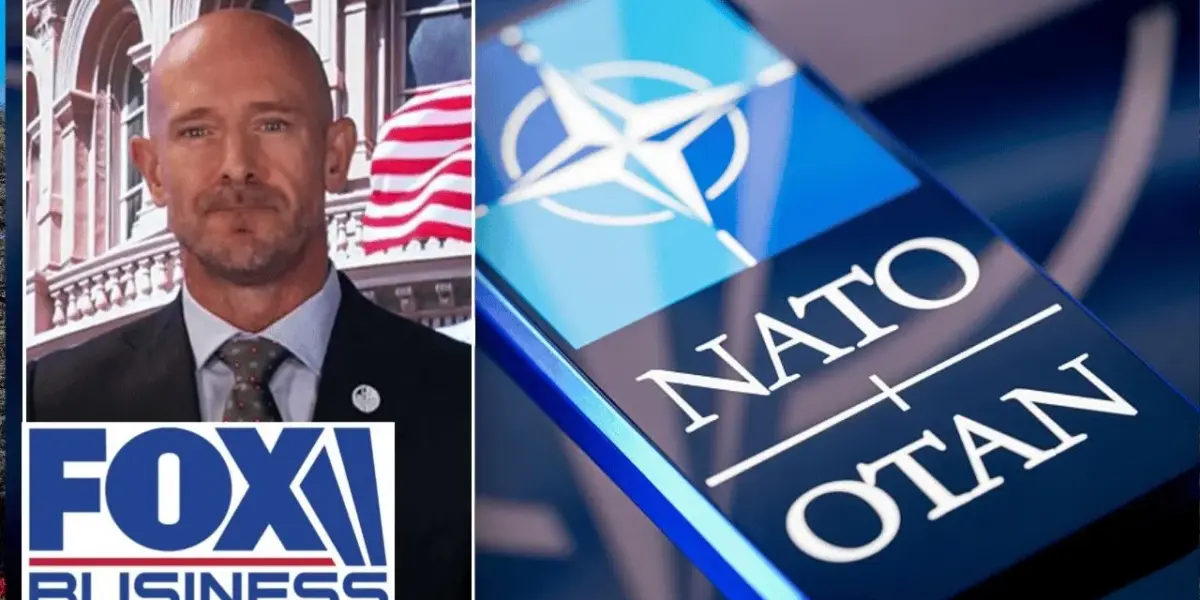
Retired Navy SEAL Mike Cirelli urges NATO allies to increase their support for U.S. international efforts, citing delays in crucial operations. NATO's chief acknowledges past slow responses, while Cirelli emphasizes the need for allies to take greater responsibility for global security, especially concerning energy supplies.

NATO Allies Urged to Step Up Support for US
Retired Navy SEAL Mike Cirelli believes it’s time for the United States to have some serious talks with its NATO allies. He feels many countries have been too slow to help with crucial international efforts. Cirelli pointed out that while the U.S. has been heavily involved in global security operations, some allies have been lagging behind. He suggested this situation requires a direct and honest conversation about shared responsibilities.
Cirelli discussed the possibility of complex military operations, such as those aimed at preventing nuclear proliferation. He noted that such missions would require more than just special forces. They would involve a large number of personnel from different military branches working together. The goal would be to secure dangerous materials, like enriched uranium, and remove them from potentially unstable regions. This would be a highly challenging undertaking, requiring careful planning and execution to ensure success and safety.
NATO Chief Admits Slow Support
Mark Rutte, the head of NATO, recently acknowledged that some allied countries were not as quick as they could have been to back U.S. military actions. He stated that while allies are now providing significant support, there was a period where they were slower to respond. Rutte mentioned that some allies were caught off guard by the speed of events. However, he also highlighted that today, allies are largely doing what the United States is asking of them.
Oil Security and Allied Responsibilities
The conversation also touched on the importance of securing vital shipping lanes, like the Strait of Hormuz. Cirelli questioned whether NATO allies and their navies are doing enough to ensure these waterways remain open. He stressed that the U.S. has a long-standing relationship with its allies that needs stronger commitment. Cirelli used an analogy of a group of animals in the jungle to explain that going it alone is not always the best strategy.
He pointed out that a French-led coalition is reportedly being formed for maritime security in the Strait after the current conflict ends. Cirelli raised concerns about this, especially since oil shipments from this region significantly impact European economies more than the U.S. He argued that these allies must take more responsibility for ensuring the security of these oil supplies. This is crucial for their own economic stability and for global energy markets.
The Human Cost of Service
When asked about his time as a Navy SEAL, Cirelli expressed that he misses the camaraderie every day. He described the deep bond shared among service members, a connection most Americans never experience. He spoke openly about the pain and loss associated with military service, acknowledging the many men and women who did not return. Cirelli stated that this experience leaves a lasting mark but is a burden he would gladly carry.
Market Impact
The remarks by Cirelli and Rutte highlight potential shifts in international cooperation and burden-sharing among NATO members. Any significant changes in military support or security operations in key regions like the Strait of Hormuz could impact global energy prices and trade routes. Investors should monitor geopolitical developments and allied responses closely, as these can influence market stability, particularly in the energy sector. The call for stronger allied commitment suggests a potential increase in collective defense spending or joint operations, which could create opportunities or risks depending on the specific actions taken.
What Investors Should Know
Investors should pay attention to statements from political and military leaders regarding international alliances and security commitments. Increased cooperation could lead to greater stability in volatile regions, benefiting global markets. Conversely, perceived weaknesses in alliances or a lack of burden-sharing could create uncertainty. The emphasis on securing oil supplies means that events impacting the Strait of Hormuz or other major energy transit points could directly affect oil prices and related stocks. Understanding these geopolitical dynamics is key to assessing potential investment risks and rewards in the current global climate.
Source: 'DID US DIRTY': Ex-Navy SEAL says ‘hard conversations’ are needed over NATO’s actions (YouTube)

Related Articles

UK Offers Iran Negotiation Insight to Aid Trump’s Stalled Deal
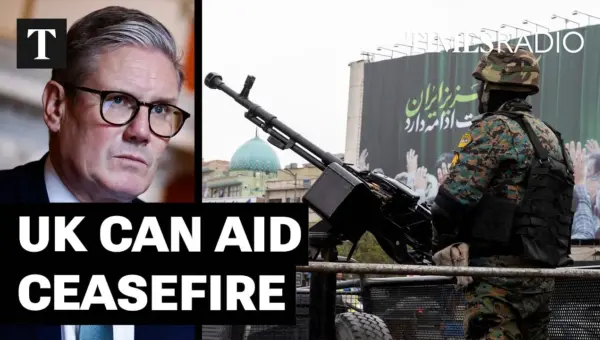
The UK is offering its diplomatic expertise to the US to help President Trump navigate complex negotiations with Iran. As talks loom amidst uncertainty and strained UK-US relations, London believes its experience can aid in achieving a settlement and reopening the Strait of Hormuz. Discussions also highlight the UK's defense readiness and its role in regional stability.
Trump’s NATO Frustration Fuels Exit Threats, Alliance Faces Crisis
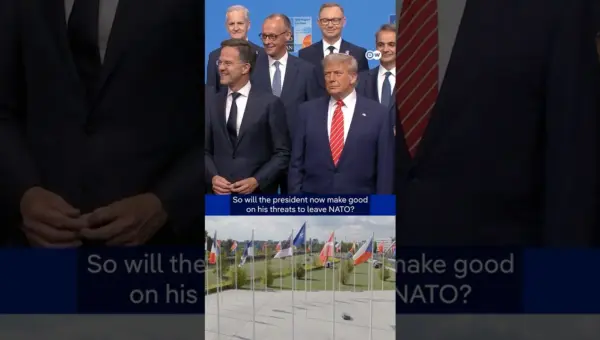
President Trump's frustration with NATO allies over Iran policy has intensified, leading to renewed threats of withdrawal. While legal avenues exist to potentially block a full exit, the U.S. could significantly weaken the alliance by simply withdrawing support and troops, raising concerns among European nations.
Iran Talks Crumble: Ceasefire Unravels Amidst Standoff
Talks between the U.S. and Iran are on the brink of collapse as preconditions remain unmet and fighting continues. Iran is demanding the release of blocked assets and a full ceasefire before negotiations can begin, while both sides appear to be preparing for renewed hostilities rather than de-escalation.