NATO Allies Balk at US Base Access Amid Iran Tensions
NATO allies are facing criticism for denying U.S. forces access to their bases amid heightened tensions with Iran. This move is seen as undermining collective security. Analysts urge European nations to prioritize global stability and their own defense over domestic political pressures.

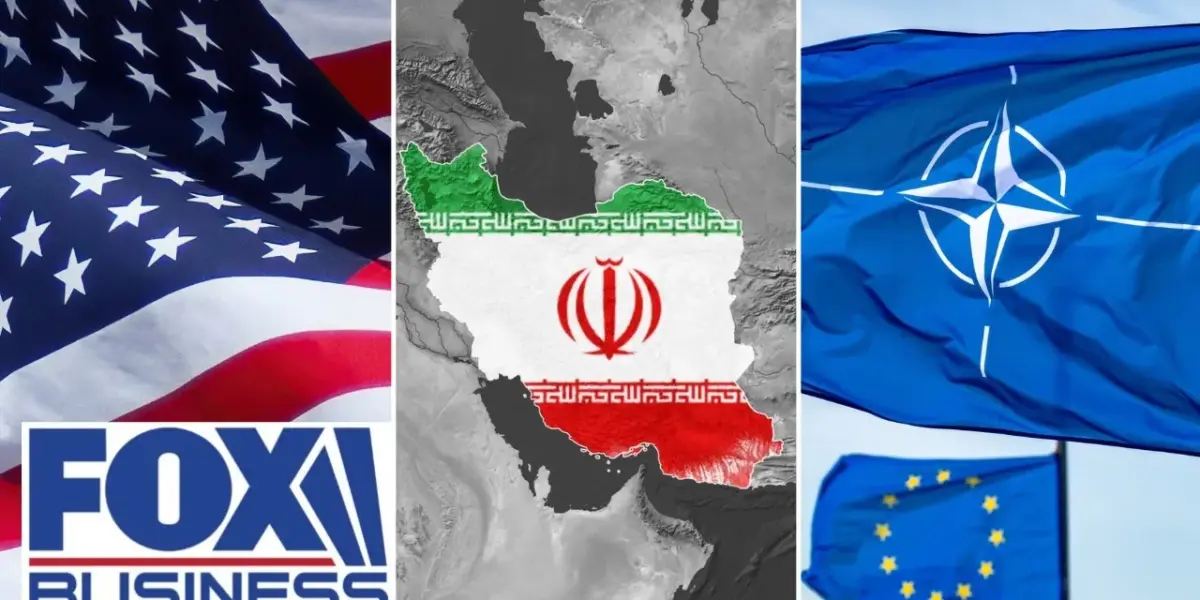
NATO Allies Balk at US Base Access Amid Iran Tensions
Tensions remain high as President Trump prepares to address the nation on the escalating situation with Iran. While the possibility of a ceasefire is being discussed, analysts are expressing significant concern over the actions of key NATO allies. Specifically, the denial of access to allied bases for American forces is being called a “terrible move” that undermines the collective security of the free world.
US Seeks Support, Allies Hesitate
President Trump has consistently worked to strengthen the NATO alliance, a cornerstone of global security for decades. However, recent decisions by several European nations to prohibit Americans from using their military bases are creating friction. This is seen as a significant departure from the spirit of mutual support that defines the alliance. One analyst noted that it’s one thing for allies to express reluctance to participate directly in conflicts without a clear consensus, but it’s quite another to deny essential access to bases.
This situation puts the United States in a difficult position, as it seeks to project strength and maintain stability in a volatile region. The hope is that these allies will reconsider their stance and rejoin the effort to ensure global security. Pressure from the United States is expected, but the ultimate goal is to repair the rift and keep the alliance intact.
Internal Pressures Influence Foreign Policy
The reluctance of some European countries, including Britain, France, and Germany, to fully support American actions is reportedly linked to pressure from their own Muslim minority populations. These domestic concerns are influencing their foreign policy decisions regarding cooperation with the United States and Israel. This internal political dynamic creates a complex challenge for international relations.
Iran’s Threat Extends Beyond the Middle East
Analysts emphasize that Iran poses a significant threat not just to the Middle East but also to Europe. Iran possesses missiles capable of reaching European capitals, and its actions destabilize the region. Furthermore, the Islamic Revolutionary Guard Corps (IRGC) regime’s ability to control global energy markets, particularly through its influence over the Strait of Hormuz, remains a critical concern. If the U.S. were to back down from securing the Strait, it could have major implications for global trade.
China, which imports 80% of Iran’s oil and supports the Iranian government, could gain significant leverage if the Strait of Hormuz were compromised. Therefore, European governments are urged to prioritize their own security, the integrity of the NATO alliance, and the broader global interest, even if it means making difficult political choices domestically.
Oil Tanker Incident Highlights Global Trade Dynamics
In a separate but related development, a Russian oil tanker carrying 700,000 barrels of oil docked in Cuba. This occurred despite administration efforts to curb oil supplies to the island nation. The situation in Cuba is complex, with the U.S. seeking to pressure the regime without causing a humanitarian catastrophe.
The inability for sufficient oil and gas to reach Cuba has led to concerns about flights being grounded and potential humanitarian crises. The U.S. is attempting to balance its foreign policy objectives with the need to provide humanitarian aid, including $6 million in assistance, to the Cuban people. This delicate balancing act underscores the intricate global economic and political factors at play.
Market Impact
The geopolitical tensions surrounding Iran and the Strait of Hormuz directly impact global energy markets. Any disruption to oil supply or transit can lead to price volatility. The actions of NATO allies in supporting or hindering U.S. efforts also have broader implications for international cooperation and defense spending. The situation in Cuba, while smaller in scale, highlights the ripple effects of U.S. sanctions and international trade dynamics on regional stability and humanitarian conditions.
What Investors Should Know
Investors should closely monitor developments in the Middle East, particularly regarding Iran and the Strait of Hormuz, as these can significantly affect oil prices and related equities. The strength and cohesion of the NATO alliance are also important factors to consider, as they influence global security and economic stability. Geopolitical risk remains a key consideration for portfolio diversification and risk management. The situation in Cuba, while not a primary driver of major global markets, illustrates the complex interplay between politics, sanctions, and humanitarian concerns in international finance.
Source: 'TERRIBLE MOVE': Analyst CHIDES NATO allies over denying use of bases (YouTube)

Related Articles

Iran Downs U.S. Jets, Strikes Helicopters in Escalating Conflict
Iran has shot down two U.S. jets and struck multiple helicopters during rescue operations, leading to U.S. retaliatory strikes. The status of a missing U.S. airman remains unknown amidst escalating conflict.


Ex-Marine Pilot Slams Trump’s Erratic Iran Policy Amid Pilot Rescue
A U.S. service member was rescued after an F-15 fighter jet crashed in Iran, but a second crew member remains missing. Former Marine pilot Amy McGrath criticized President Trump's "erratic" Iran policy and lack of a clear strategy amid the ongoing search and rescue operation.
Iran Shoots Down US Aircraft Amidst Escalating Tensions
Multiple US aircraft, including fighter jets and helicopters, have reportedly been hit by Iran, challenging claims of air superiority. This escalation occurs amidst a diplomatic stalemate and intense rhetoric, raising serious questions about transparency and the path forward in US-Iran relations.