Nativist Rhetoric Echoes Dangerous Past
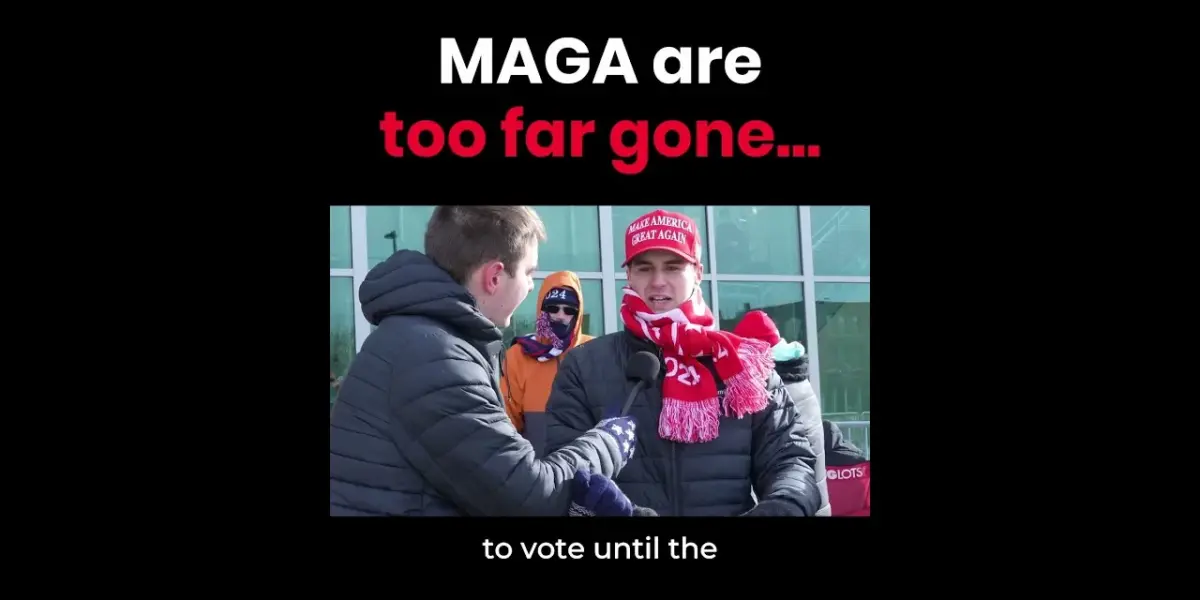
Shocking rhetoric echoing the dangerous nativist sentiments of the past claims certain groups are 'poisoning the blood of the country.' This viewpoint dismisses the progress made in civil rights and advocates for a leadership structure based on race and religion, contradicting democratic ideals.

Nativist Rhetoric Echoes Dangerous Past
A recent statement, shockingly echoing dangerous historical sentiments, claims that certain groups are “poisoning the blood of the country” and ruining traditional American culture. This kind of language is not new; it has been used throughout history to target immigrants and minority groups, creating fear and division. The idea that one culture is inherently superior and threatened by others is a recurring theme in nativist movements worldwide.
Historical Parallels and Warning Signs
Looking back, we see similar rhetoric used during periods of significant immigration in the United States. For example, during the late 19th and early 20th centuries, Irish, Italian, and Eastern European immigrants faced intense prejudice. They were often accused of undermining American values and bringing crime and disease. This historical pattern shows us how easily fear of the ‘other’ can be weaponized to justify discrimination.
The statement also touches on a distorted view of American history regarding voting rights. It dismisses the passage of the 19th Amendment, which granted women the right to vote, as “not a good thing.” This viewpoint ignores the long struggle for suffrage and the fundamental principle of equality. The founding fathers, while shaping the nation, did restrict voting rights for large segments of the population, including women and enslaved people. These rights were gradually expanded through amendments and social movements, showing a commitment to a more inclusive democracy.
Equality vs. Unequal Influence
The core of the problematic viewpoint presented is a rejection of the idea that all individuals, regardless of race or gender, have equal dignity and rights. While acknowledging that people are equal before the law and God, the speaker quickly pivots to suggest that not everyone should have the same influence in society. This opens the door to a hierarchy where certain groups are deemed more fit to lead or hold power than others.
When pressed on who should hold influence, the response given is telling: “Christian leaders,” and more specifically, “White Christian men.” This reveals an exclusionary vision of leadership, one that favors a specific demographic based on religion and race. It suggests a desire to return to a time when power was concentrated in the hands of a select few, rather than reflecting the diverse makeup of the nation.
Why This Matters
This kind of rhetoric is dangerous because it dehumanizes entire groups of people. By framing immigrants or any minority group as a threat to the nation’s ‘bloodline’ or culture, it justifies prejudice and, in the most extreme cases, violence. It fosters an ‘us versus them’ mentality that erodes social cohesion and undermines the principles of a pluralistic society. Furthermore, advocating for a leadership structure based on race and religion directly contradicts the ideals of democracy and equal opportunity for all citizens.
Trends and Future Outlook
Unfortunately, nativist and exclusionary sentiments are not confined to the past. We see them resurfacing in political discourse in various countries today. Factors like economic anxiety, cultural change, and global migration patterns can fuel these fears. The ease with which such ideas can spread through social media also presents a significant challenge.
The future outlook depends on our collective response. Will we continue to uphold the values of equality, diversity, and inclusion? Or will we allow divisive rhetoric to gain traction and potentially lead to policies that harm marginalized communities? The ongoing debate about immigration, national identity, and who belongs in our society is critical. It requires us to actively counter prejudice with facts and to champion the idea that a diverse nation is a strong nation.
The contrast between the historical struggle for broader rights and the current dismissal of those advancements is stark. It highlights the need for continued vigilance in protecting civil rights and promoting a society where everyone is treated with respect and dignity, regardless of their background. The conversation must remain focused on building a future that is inclusive, not one that retreats into exclusionary ideologies.
Source: I Can't Believe He Said This 🫣 (YouTube)

Related Articles


Snyder: Trump’s ‘Genocide’ Talk Sullies US, Leads to Losing
Historian Timothy Snyder warns that Donald Trump's rhetoric about destroying civilizations, regardless of intent, carries grave consequences. He argues such language normalizes dehumanization and echoes tactics used in past genocides, ultimately sullying the nation and leading to strategic failures.

Hungary Votes: A Nation’s Choice for Peace and Security
As Hungary approaches a crucial vote, a powerful message is being broadcast urging citizens to choose peace, security, and a humane future. Speakers invoke historical struggles for freedom, calling for a step-by-step rebuilding of the nation. The appeal emphasizes personal responsibility in shaping the country's destiny for future generations.

Victims’ Voices Demand Action on Immigration Crime
A year after its relaunch, the VOICE program highlights the human cost of crimes by undocumented immigrants. The discussion reveals deep divisions on how to address these tragedies and fix a broken immigration system, with calls for accountability clashing with debates over mass deportation and pathways to citizenship.