Nationwide Protests Challenge Immigration Policy and War
Thousands have protested nationwide against ICE policies and the Iraq war. The "No Kings" rallies, spanning cities like Chicago and Philadelphia, demand policy changes and reflect deep public concern over immigration enforcement and military actions.

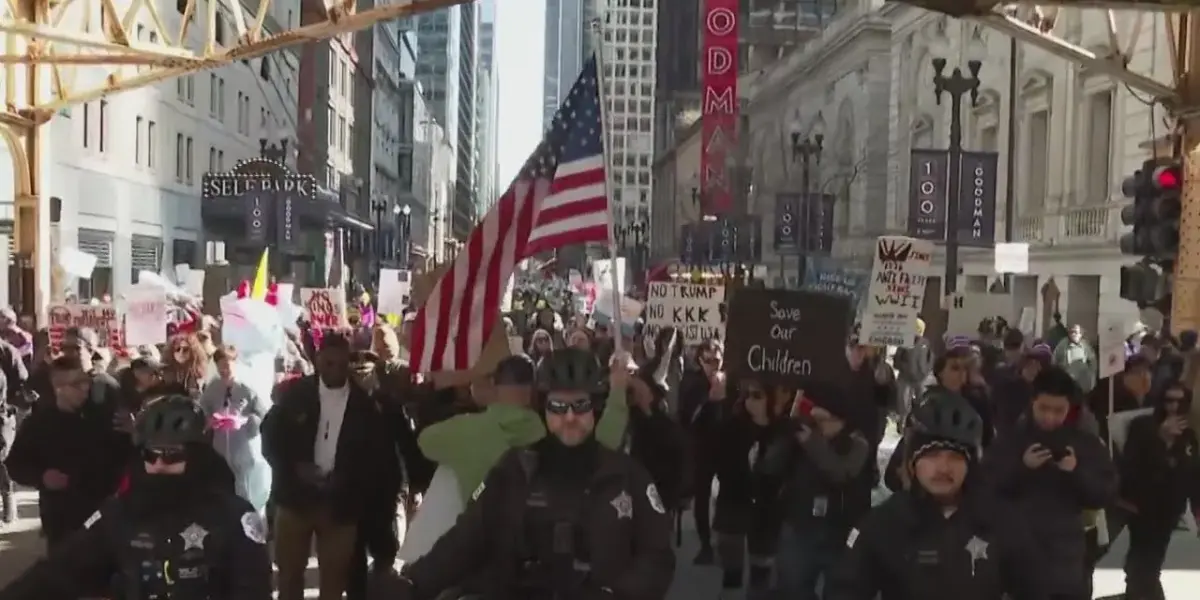
Thousands Rally Against Immigration Enforcement and War
Across the United States, thousands of people have taken to the streets in major cities like Chicago, Philadelphia, and New York. These protests, part of a nationwide movement, are raising their voices against specific policies of the Trump administration. The demonstrations are particularly focused on the actions of Immigration and Customs Enforcement (ICE) and the ongoing military engagement in Iraq.
Roots of the “No Kings” Movement
The recent protests are not new. This marks the third major “No Kings” rally seen in Chicago, with previous demonstrations occurring in late June and October. These events follow a series of troubling headlines about deaths related to immigration enforcement actions. Organizers highlighted the significance of the current rallies, noting that they fall on the anniversary of U.S.-led airstrikes that began in Iraq. Signs reading “No War in Iraq” are visible among the crowds, reflecting deep public concern over the conflict.
Key Demands and Concerns
Protesters are expressing frustration with a wide range of Trump administration policies. A central demand is the abolition of ICE, with many participants carrying signs calling for the agency to be dismantled. Beyond immigration, demonstrators are also advocating for stronger workers’ rights and increased taxes on the wealthy. The movement aims to build momentum for broader policy changes.
Local and National Coordination
The demonstrations are happening simultaneously in multiple locations, including Minneapolis, Saint Paul, Los Angeles, and Texas. Organizers estimate that around 3,000 protesters are planned across the country. In Chicago, the rally drew thousands of participants and a significant police presence. Mayor Brandon Johnson of Chicago has spoken about the importance of building a movement to counter what he described as Republican policies.
A Diverse Coalition of Voices
The “No Kings” protests bring together a diverse group of people. While many are united in their opposition to current immigration policies and the war in Iraq, there are also calls for economic justice, including better workers’ rights and a more progressive tax system. The energy of the protests is palpable, with participants actively marching and voicing their demands.
Facing Opposition
The rallies have not been without counter-demonstrations. In Chicago, a lone individual expressing support for the Trump administration’s policies engaged with protesters. Police were present to maintain separation and ensure safety. This interaction highlights the passionate and sometimes divided public opinions surrounding the issues at the heart of these protests.
Global Impact
These domestic protests reflect a broader global trend of citizens holding their governments accountable on issues of human rights, foreign policy, and economic fairness. The focus on immigration enforcement and military action connects to international debates about national sovereignty, humanitarian concerns, and the costs of war. The scale of these coordinated national demonstrations suggests a growing public demand for significant policy shifts that could influence future domestic and foreign policy decisions.
Historical Context
The calls to abolish ICE echo historical movements that have sought to reform or dismantle government agencies perceived as overreaching or unjust. Similarly, the anti-war sentiment taps into a long history of public opposition to U.S. military interventions abroad, often fueled by concerns over the human and financial costs of conflict. The timing of the protests, coinciding with an anniversary of the Iraq airstrikes, directly links current grievances to past foreign policy decisions.
Future Scenarios
The continued mobilization of thousands across the country suggests that these issues will remain prominent in public discourse. Future scenarios could include increased pressure on policymakers to address immigration reform and rethink foreign military engagements. The success of these movements in achieving policy changes will likely depend on sustained public engagement, effective organization, and the ability to translate widespread discontent into concrete legislative action.
Source: Chicago ‘No Kings’ protest draws thousands | NewsNation Live (YouTube)

Related Articles


Trump Flees CPAC Amidst Growing Protests and MAGA Meltdown
Donald Trump's absence from CPAC highlights the Republican party's struggles, with plummeting attendance and internal confusion. This comes as millions are expected to protest, signaling a deep public divide and a fracturing MAGA movement.

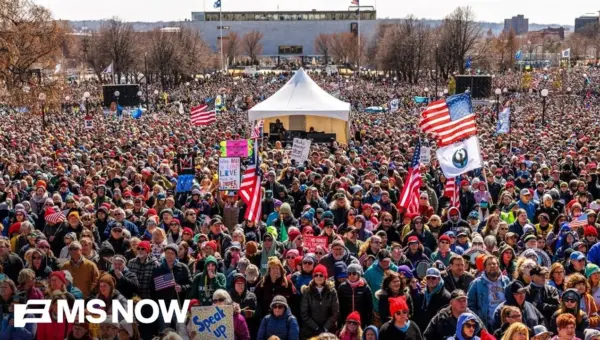
Rep. Wasserman Schultz Praises ‘Patriots’ in Growing Protests
Representative Debbie Wasserman Schultz hailed the growing number of peaceful protesters nationwide as "patriots" defending constitutional rights. She connected these demonstrations to recent Democratic victories in special elections, suggesting a voter backlash against Republican policies and what she calls "chaos."

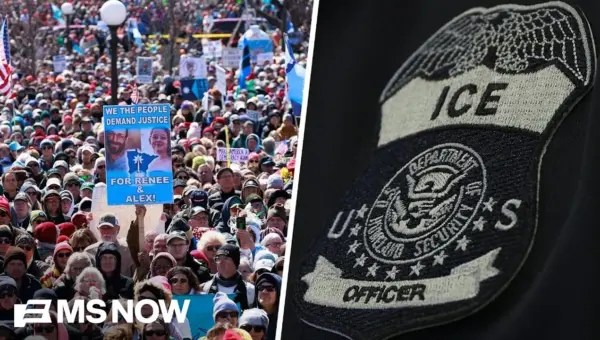
Senator Smith Praises MN Protests Against ICE Crackdowns
Senator Tina Smith expressed strong support for protests against federal immigration actions in Minnesota, emphasizing the community's response to recent killings by federal agents. She highlighted the significant economic and personal toll of these actions on the state, calling for federal aid and accountability.