NASA’s Artemis 2 Mission: Astronauts Launch for Moon
NASA's Artemis 2 mission is set to launch, sending four astronauts on a historic journey around the moon. This marks humanity's first crewed voyage beyond Earth's orbit in over 50 years and is a crucial step towards establishing a long-term lunar presence and future Mars missions. The crew will test the Orion spacecraft's systems and conduct scientific observations during their 10-day mission.

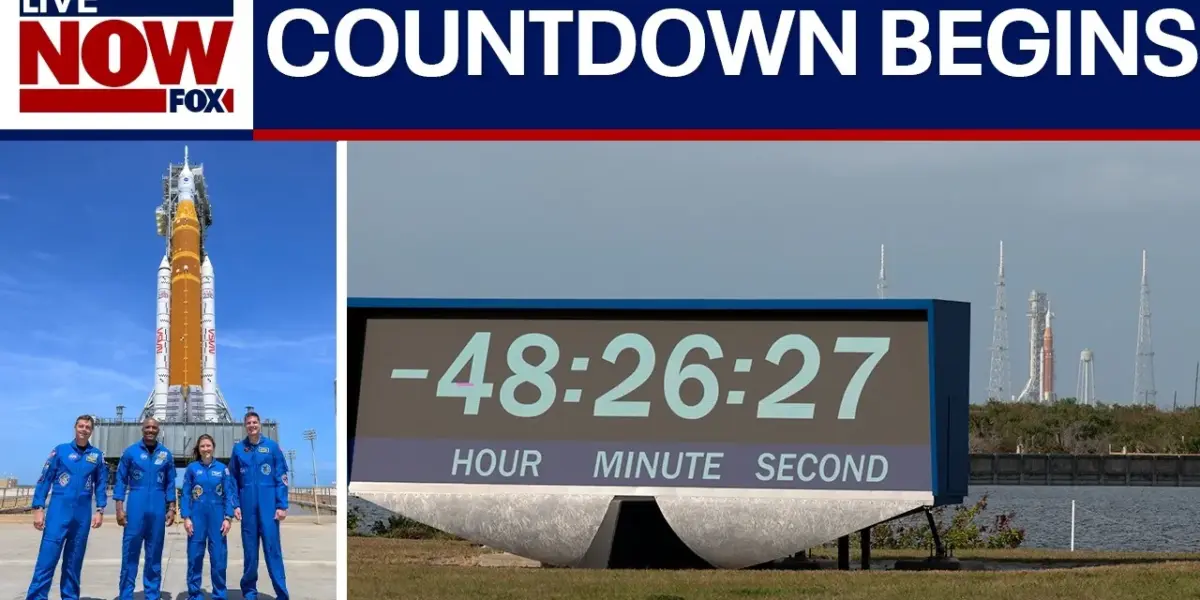
NASA Begins Historic Moon Mission Countdown
NASA is on the cusp of a monumental achievement as the Artemis 2 mission prepares for launch. This historic flight will send four astronauts on a journey around the moon, marking humanity’s first crewed voyage beyond Earth’s orbit in over half a century. The mission is set to begin its countdown, with launch expected imminently.
A New Era of Lunar Exploration
The Artemis program represents a significant step forward in space exploration. Unlike the Apollo missions of the past, Artemis aims to establish a lasting human presence on and around the moon. This initiative is not just about returning to the moon; it’s about using it as a stepping stone for future missions to Mars. For many people alive today, this will be their first chance to witness a human mission to the lunar vicinity.
“This is the first time we’re sending humanity back to the vicinity of the moon in over 50 years,” explained Debbie Cor, Deputy Manager for the Orion Program. “When you talk about the Artemis missions, this will be the first time we get to do something similar. But this time, we’re actually going to start the process of establishing a permanent human presence on the moon and around the moon and eventually take us to Mars.”
Meet the Artemis 2 Crew
The four astronauts selected for the Artemis 2 mission have undergone extensive training for nearly three years. Their preparation has focused heavily on understanding the Orion spacecraft’s complex systems. Since they will be venturing far from Earth, they must be ready to handle any issues that may arise independently. This includes mastering the environmental control and life support systems, learning how to operate the spacecraft, and practicing emergency procedures.
Rigorous Training and Mission Tasks
Astronauts spent countless hours in mock-ups and simulators at the Johnson Space Center in Houston. They practiced flying the spacecraft, interacting with displays, and executing mission protocols. The commander and pilot will primarily be responsible for manually piloting the spacecraft. In fact, a key test early in the mission will involve handing over control from Mission Control to the crew, allowing them to manually fly the Orion for a period.
Beyond piloting duties, the crew has approximately 140 flight test objectives to complete. These tasks are divided among the four members and include testing various systems like life support, acoustics, and an in-space exercise device. They will also use the spacecraft’s amenities, such as the bathroom and food heating systems, and conduct valuable Earth and lunar observations. Experiments involving tissue samples are also part of their busy 10-day itinerary.
A New Perspective of Earth and Moon
While the Apollo 8 crew famously captured the iconic “Earthrise” photo, the Artemis 2 astronauts are expected to provide breathtaking new views. They will travel approximately 4,000 miles from the moon at their closest approach. This means they will venture further from Earth than any humans have before. The mission is anticipated to yield stunning images of the far side of the moon, offering sights never before seen by humans.
Orion Spacecraft: The Journey’s Heart
The Orion spacecraft is central to the success of the Artemis 2 mission. Debbie Cor expressed excitement from Kennedy Space Center, noting that the vehicle was being powered up and prepared for launch. “Everything’s going well,” she stated. “This is the first step. We want to continue this journey of exploration, and Artemis 2 and the Orion spacecraft is the very start of that exploration.”
Public Interest and Future Possibilities
A poll conducted during the broadcast revealed significant public enthusiasm for lunar travel. A majority of viewers indicated they would take a commercial flight to the moon if offered. While 53% responded with a definitive “yes,” 29% said “no,” and 18% preferred to wait “after more testing.” This suggests a strong public appetite for space tourism, even as many acknowledge the inherent risks and the need for further development and safety assurances.
Looking Ahead
The Artemis 2 mission is a critical precursor to future Artemis landings and the eventual goal of sending humans to Mars. As the countdown continues, the world watches with anticipation. The success of this mission will pave the way for more ambitious endeavors, bringing humanity closer to becoming a multi-planetary species.
Source: NASA begins countdown for historic moon mission (YouTube)

Related Articles
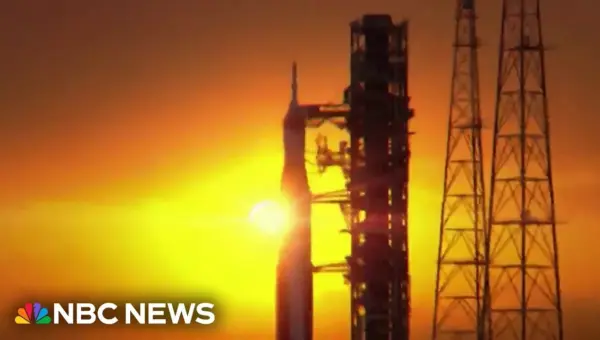
Artemis II Crew Prepares for Historic Moon Mission Launch
NASA's Artemis II mission is set for launch this Wednesday, sending four astronauts on a ten-day journey around the Moon. This historic flight will test the Orion spacecraft and Space Launch System rocket, marking humanity's first return to lunar proximity in over 50 years. The crew will perform critical system checks and manual flight tests, paving the way for future deep space exploration.


Trump’s Iran Policy: Bombing Threats vs. Deal Hopes
President Trump's administration is sending mixed signals on Iran, threatening military action while also suggesting a peace deal is near. The article explores these conflicting messages, the historical context of Trump's "take the oil" stance, and potential military operations. It also touches on the upcoming NASA Artemis 2 moon mission and the growing concerns around artificial intelligence.

NASA Aims for Moon Return with Artemis II Test Flight
NASA's Artemis II mission is set to launch four astronauts on a 10-day lunar flyby, testing critical systems for future deep-space travel. This mission is a vital step towards establishing a long-term human presence on the Moon and eventually reaching Mars.