NASA Tests Heat Shield for Crewed Artemis Return
NASA is conducting extensive tests on the Orion spacecraft's heat shield for the upcoming Artemis II mission. This shield is critical for protecting astronauts from extreme temperatures during Earth re-entry. Following observations from Artemis I, NASA has performed significant testing and expressed confidence in the system's safety.

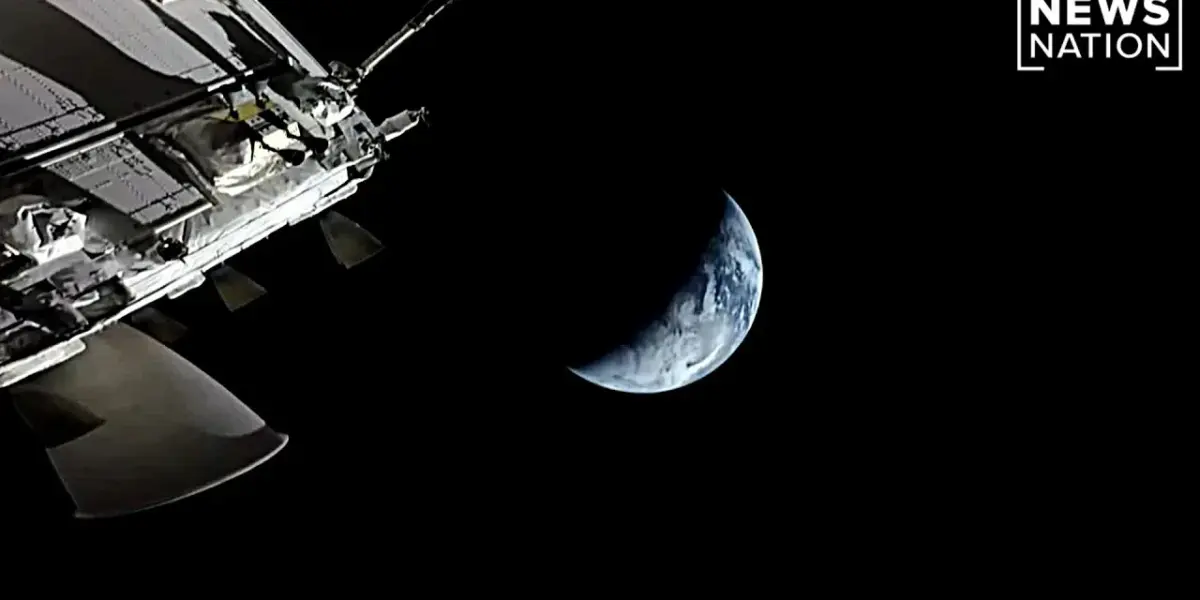
NASA Tests Heat Shield for Crewed Artemis Return
NASA is intensely focused on the upcoming Artemis II mission, which will send astronauts closer to the Moon than ever before. A critical piece of this mission is the heat shield on the Orion spacecraft. This shield must protect the crew from extreme heat during Earth’s atmospheric re-entry. NASA officials state they have conducted extensive testing to ensure its readiness.
Artemis II Mission Details
The Artemis II mission is a significant step in NASA’s plan to return humans to the Moon. It follows the uncrewed Artemis I mission, which took place in 2022. While Artemis I tested the spacecraft’s systems, Artemis II will carry a crew of four astronauts. This marks the first time humans will travel to lunar space since the Apollo program.
The Challenge of Re-entry
When the Orion spacecraft returns to Earth, it will enter the atmosphere at a speed of approximately 25,000 miles per hour. This high speed generates intense friction. Temperatures can reach about 5,000 degrees Fahrenheit, as hot as molten lava. The heat shield is designed to absorb and dissipate this heat, preventing the spacecraft and its crew from burning up.
Heat Shield Scrutiny After Artemis I
Following the Artemis I mission, NASA faced questions about the performance of the Orion heat shield. Some damage was observed on the shield after its return to Earth. This led to increased scrutiny and a commitment to thorough testing for the Artemis II mission. Vanessa Wyche, Director of the Johnson Space Center, addressed these concerns directly.
Extensive Testing and Confidence
Wyche emphasized that her team has performed “loads and loads of testing” on the heat shield. She stated that the team has determined the correct trajectory for re-entry. This preparation ensures the mission is on track. Wyche expressed strong confidence in the safety measures and the mission’s readiness. She noted that the astronauts are like friends to her and the team, highlighting the personal investment in their safety.
Parachute System for Safe Landing
In addition to the heat shield, the spacecraft relies on a complex parachute system for a safe splashdown. A total of 11 parachutes will be deployed in stages. The three main parachutes are crucial for slowing the Orion capsule to a speed of about 20 miles per hour before it hits the ocean.
Acknowledging Inherent Risk
Wyche candidly acknowledged that there is always an inherent risk associated with space travel, especially during the re-entry phase. The astronauts are aware of these risks. NASA’s commitment is to mitigate these dangers through rigorous testing and meticulous planning. The mission control team will be closely monitoring the re-entry alongside the astronauts’ families.
Global Impact
The success of the Artemis II mission is vital not just for NASA but for the global space exploration community. It demonstrates continued progress in human spaceflight capabilities. Advancements in heat shield technology and re-entry procedures can have applications in various fields, from aerospace engineering to materials science. This mission represents a critical step towards establishing a long-term human presence on the Moon and preparing for future missions to Mars.
Historical Context
Human re-entry into Earth’s atmosphere has always been a high-risk event. The Apollo missions, which successfully landed astronauts on the Moon, also faced significant re-entry challenges. Each mission has provided valuable data, leading to improved technologies and safety protocols. NASA’s current efforts build upon decades of experience and lessons learned from previous space programs, both American and international.
Future Scenarios
If the Artemis II mission is successful, it will pave the way for more ambitious lunar missions, including landing astronauts on the Moon’s surface. Continued testing and refinement of the heat shield and other critical systems will be essential. Potential challenges could arise from unexpected material performance or complex atmospheric conditions. NASA’s approach of thorough testing and acknowledging risk aims to address these possibilities proactively.
Source: NASA director: Artemis II heat shield has been through ‘loads of testing’ | NewsNation Live (YouTube)

Related Articles


Artemis II Crew Faces Risky Reentry After Historic Moon Mission
The Artemis II crew is set to splashdown off the coast of California after a historic mission to the far side of the Moon. They face a perilous reentry into Earth's atmosphere, with the spacecraft's heat shield under intense scrutiny. This mission paves the way for future lunar and Mars exploration.


Artemis II Crew Relives Launch; Moon Landing Eyed by 2028
The Artemis II crew reflected on their mission, with launch being a standout moment they'd relive. As the Orion capsule prepares for splashdown, discussions turn to the future, with hopes of lunar landings by 2028 and significant technological and commercial advancements.


NASA’s Fiery Return: Artemis’s Riskiest 20 Minutes
NASA's Artemis program faces a perilous 20-minute re-entry into Earth's atmosphere. Traveling at 25,000 mph, the Orion capsule endures extreme heat and a communication blackout before deploying a complex parachute system. This critical phase ensures the safe return of astronauts from deep space missions.