NASA Revises Artemis Moon Landing Goal to 2028
NASA is revising its Artemis program, targeting a 2028 lunar landing amidst a new space race with China. The plan includes preparatory missions in 2027 and focuses on exploring lunar poles for resources. International collaboration remains key, though funding questions persist.

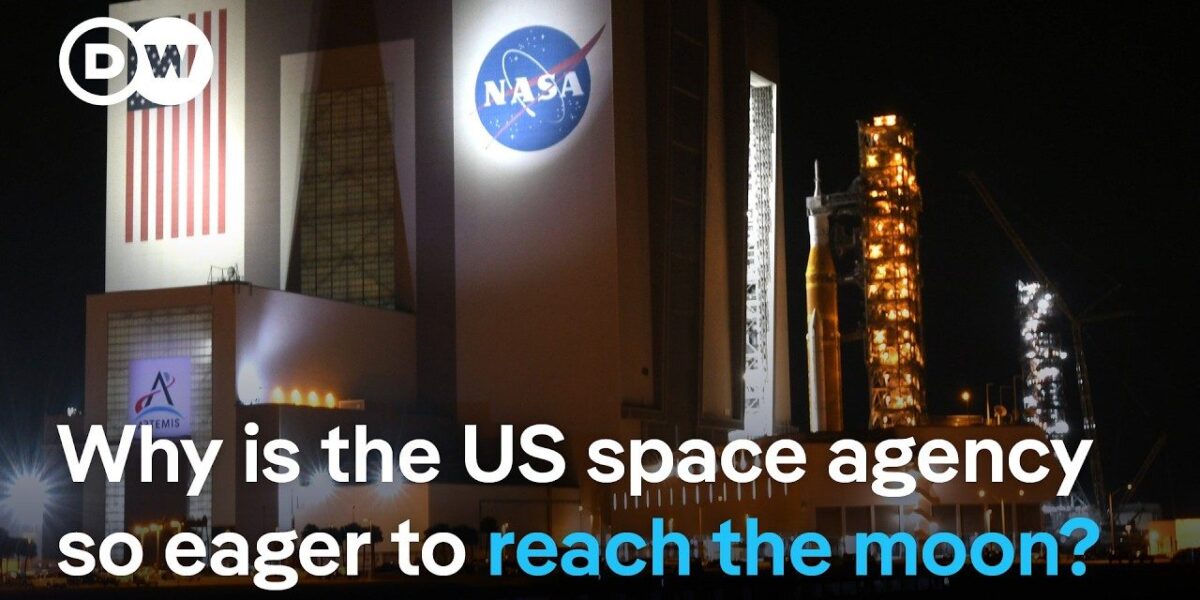
NASA Adjusts Artemis Program for 2028 Moon Landing Amidst Global Space Race
NASA is reportedly revising its ambitious Artemis program, aiming to return astronauts to the lunar surface by early 2028. This strategic adjustment comes after a series of delays and in the context of increasing international competition, particularly from China. The revised timeline includes an additional preparatory mission in 2027 before the planned landing.
Artemis Program: A Phased Approach to Lunar Return
The Artemis program, NASA’s initiative to establish a long-term human presence on the Moon, has faced significant hurdles. The upcoming Artemis 2 mission, a lunar flyby mission, is slated for launch in the coming weeks. Following this, NASA plans an additional mission, tentatively named Artemis 3, in 2027. This mission will focus on further preparations without a landing. The ultimate goal, a crewed lunar landing, is now targeted for early 2028 with the Artemis 4 mission.
“We have unfinished business on the moon. We sort of stopped after a few missions with Apollo and half a century later, we need to sort of pick up with new ways of doing things to go back and really explore this world right next door.”
– Keith Cowing, Editor at NASAWatch.com
The Geopolitical Imperative: Competing with China
The renewed urgency for a lunar return is significantly influenced by the geopolitical landscape. The original Apollo missions, while a monumental achievement, were part of a Cold War-era space race. Today, the dynamic has shifted, with China emerging as a major player in space exploration. According to Keith Cowing, editor at NASAWatch.com, the current political atmosphere necessitates a challenge to China’s growing lunar ambitions. “Now suddenly China wants to go to the moon and we have a political atmosphere that says well we need to challenge China. So that’s sort of factored into the equation,” Cowing explained.
Scientific Rationale: Unlocking Lunar Secrets
Beyond the geopolitical motivations, significant scientific objectives drive the return to the Moon. While the Apollo missions provided invaluable data, much remains to be discovered. “We’ve learned a lot just from the rocks that we brought back that we didn’t expect,” Cowing noted. A key focus of the Artemis missions will be exploring the lunar poles, regions characterized by permanently shadowed craters where water ice is believed to exist. This water could be crucial for life support systems and as a propellant for future deep-space missions.
Furthermore, advancements in technology allow for a more profound understanding of the Moon’s geology and history. “We have tools now to understand this world that we didn’t have back in the day. And we have a lot of questions that have built up over the past 50 years as to why this rock says this and this rock says that,” Cowing added. This scientific exploration is not unique to NASA; China’s lunar program also indicates a strong interest in these unexplored regions.
International Collaboration and Funding Challenges
The Artemis program is envisioned as an international endeavor, with partners like the European Space Agency (ESA) playing a crucial role. However, the financial implications and the exact nature of this collaboration remain subjects of discussion. The original plan included a lunar orbiting station, the Gateway, which would serve as a staging point for lunar surface missions. Questions linger about the future of the Gateway and the contributions of international partners, including financial commitments.
“One of the questions though is who’s going to pay for this and what will it look like?” Cowing remarked, highlighting the uncertainty surrounding funding and program architecture. The inclusion of international astronauts on missions, such as a Canadian astronaut on the upcoming Artemis mission and discussions of European and Japanese astronauts on the surface, underscores the collaborative spirit. The Artemis Accords, a set of principles for space exploration, also signify a broad international coalition.
A New Era of Lunar Exploration
The revised Artemis timeline reflects both the enduring allure of lunar exploration and the evolving global space dynamics. For a significant portion of the world’s population, the prospect of humans returning to the Moon is a novel and exciting event. “75% of the people in the world never saw that. So, for a lot of people, this is the first moon landing,” Cowing emphasized. This broad appeal can galvanize global interest and participation in space exploration.
The multi-polar nature of current space exploration, with multiple nations possessing advanced capabilities, suggests a recalibration of roles and leadership. While the U.S. has historically been the dominant force, the landscape is now more diverse. “Everybody’s adjusting to this and we they’ve always looked to the U.S. as a leader, but now there’s more than one leader and in a multipolar world, everything will probably readjust and we’ll see what happens,” Cowing stated.
Future Outlook: Navigating Uncertainty
The success of the revised Artemis program hinges on sustained funding, technological advancements, and continued international cooperation. The uncertainties surrounding the Gateway and specific partner contributions will need to be addressed. As NASA navigates these challenges, the world will be watching to see if the 2028 lunar landing goal can be met, marking a significant new chapter in humanity’s journey to the Moon and beyond.
Source: NASA revising Artemis program to return to moon | DW News (YouTube)

Related Articles

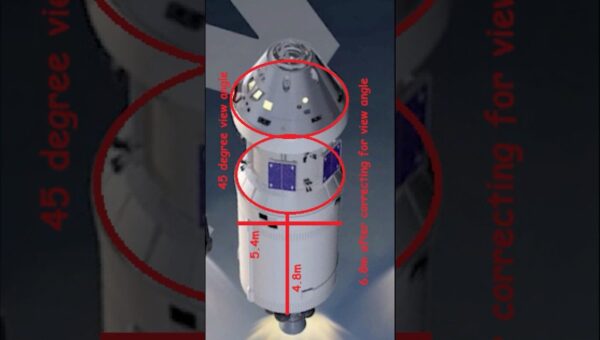
NASA’s Evolving SLS Rocket Hints at New Upper Stage
NASA's Artemis program may be adopting a new upper stage for its Space Launch System (SLS) rocket, potentially utilizing the commercially available Centaur V. An updated infographic reveals design changes and hints at evolving mission strategies, including advanced lunar lander operations.


SpaceX Starship V3 Nears First Flight Amidst Major Artemis Shakeup
SpaceX eyes March for Starship V3's maiden flight as new testing reveals design improvements. Meanwhile, NASA's Artemis program faces delays and strategic shifts, with Artemis III repurposed as a LEO test mission.


Vera C. Rubin Observatory Begins Sky Survey
The Vera C. Rubin Observatory has officially begun its 10-year sky survey, promising to generate millions of astronomical alerts nightly. Meanwhile, new Webb images reveal Uranus in unprecedented detail, and the Artemis program faces timeline adjustments.