NASA Aims for Moon Return with Artemis II Test Flight
NASA's Artemis II mission is set to launch four astronauts on a 10-day lunar flyby, testing critical systems for future deep-space travel. This mission is a vital step towards establishing a long-term human presence on the Moon and eventually reaching Mars.

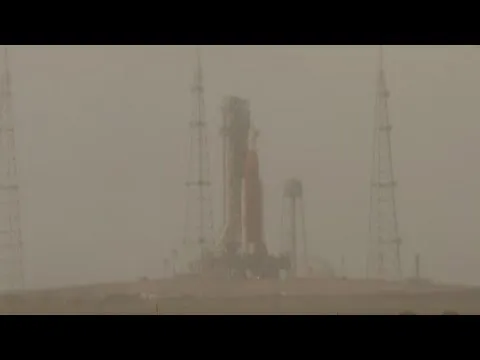
Artemis II Mission: A Crucial Step Towards Lunar Exploration
NASA is preparing for a historic launch, sending four astronauts on a 10-day journey around the Moon. This Artemis II mission, the first human deep-space voyage in over 50 years, is designed to test critical life support and other systems. The crew, selected in 2023, has been training rigorously for this ambitious undertaking. A successful launch depends on favorable weather, with a target window opening soon.
Why Go Back to the Moon?
The mission’s purpose is to build a foundation for future lunar exploration. As former NASA astronaut Butch Wilmore explained, it’s a “stepwise approach.” The current goal isn’t to land on the Moon, as a lunar lander is still under development. Instead, Artemis II will use a “free return trajectory.” This path uses a specific engine burn to achieve escape velocity from Earth’s gravity, allowing the spacecraft to loop around the Moon and return safely. This maneuver is essential for testing navigation and propulsion systems in deep space.
The Road to Lunar Landing
NASA aims to land humans on the Moon within the next few years, with a goal of achieving this before 2028. The agency sees continued exploration as vital for advancing knowledge and discovering potential resources. The Moon’s south pole, a challenging but scientifically interesting region, is a target for future missions. Scientists hope to find valuable minerals and understand the lunar environment better. This knowledge is key for future space endeavors, including missions to Mars.
Meet the Artemis II Crew
The Artemis II crew consists of Reid Wiseman, Victor Glover, Christina Koch, and Jeremy Hanson. These astronauts are at the forefront of human spaceflight. Wilmore described the pre-launch feeling as exciting rather than nervous. He noted the immense responsibility that comes with being part of such a pioneering mission. The crew’s extensive training prepares them for the unique challenges and tasks ahead.
Building a Lunar Presence
Looking further ahead, NASA envisions establishing a more permanent presence on the Moon. Concepts for lunar colonies, potentially costing around $20 billion over seven years, are being explored. While not identical to early designs, these future bases would likely feature interconnected structures. Establishing a sustainable presence on the Moon is seen as a necessary step before attempting a human mission to Mars. Learning to live and work effectively on the Moon will provide invaluable experience for the much longer and more complex journey to the Red Planet.
Historical Context and Future Ambitions
This return to lunar exploration echoes the Apollo program but with new objectives. While Apollo focused on reaching the Moon and demonstrating capability, Artemis aims for sustained presence and resource utilization. The challenges are significant, from developing new technologies like lunar landers to ensuring crew safety on extended missions. The success of Artemis II will pave the way for subsequent missions, gradually building the infrastructure and knowledge needed for deep-space colonization.
Global Impact: A New Space Race?
Artemis II is more than just a NASA mission; it represents a renewed global interest in space exploration. While the U.S. is leading this phase, other nations and private companies are also developing lunar capabilities. This could spark international cooperation or a new era of competition in space. The resources and strategic advantages offered by the Moon could influence global power dynamics in the future.
Future Scenarios
Several outcomes are possible. A successful Artemis program could solidify U.S. leadership in space and lead to significant scientific and economic advancements. Delays or failures could impact funding and international partnerships. However, the drive to explore and expand humanity’s reach into space remains a powerful motivator, suggesting that lunar missions will continue regardless of immediate setbacks.
Source: Artemis II could make path back to moon less challenging: Ex-NASA astronaut | The Hill (YouTube)

Related Articles

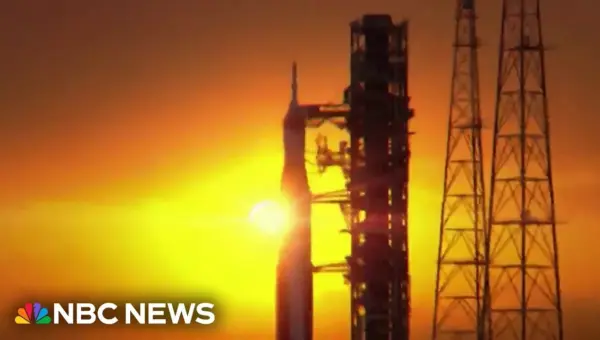
Artemis II Crew Prepares for Historic Moon Mission Launch
NASA's Artemis II mission is set for launch this Wednesday, sending four astronauts on a ten-day journey around the Moon. This historic flight will test the Orion spacecraft and Space Launch System rocket, marking humanity's first return to lunar proximity in over 50 years. The crew will perform critical system checks and manual flight tests, paving the way for future deep space exploration.
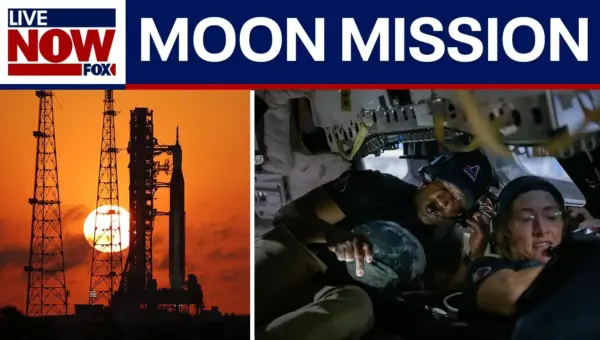
NASA Confirms Artemis II Moon Mission Go for Launch
NASA has officially given the "go" for the Artemis II mission, preparing to launch a four-person crew on a historic journey around the Moon. Following a final mission management team review, all systems are confirmed ready for the April 1st launch attempt, marking a significant return to lunar space after over five decades.

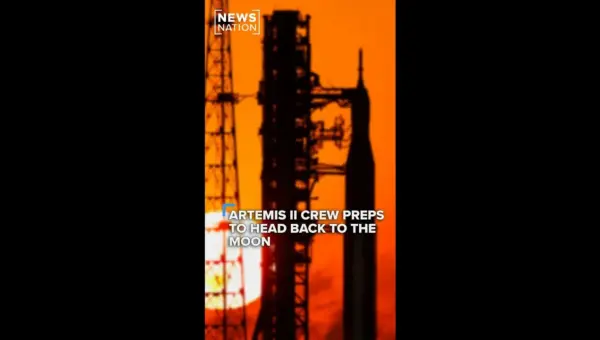
Moon Race Ignites New Space Age Competition
Humankind is returning to the Moon after a 50-year absence with NASA's Artemis program. This renewed focus on lunar exploration signals a new era of global competition and cooperation in space. The stakes involve scientific discovery, resource control, and technological advancement.