NASA Aims for Moon Return: A New Space Race Begins
NASA is preparing for a historic return to the Moon with the Artemis II mission, set to launch soon. This crewed mission will orbit the Moon, marking humanity's first lunar journey in 53 years and paving the way for future bases and deep space exploration.

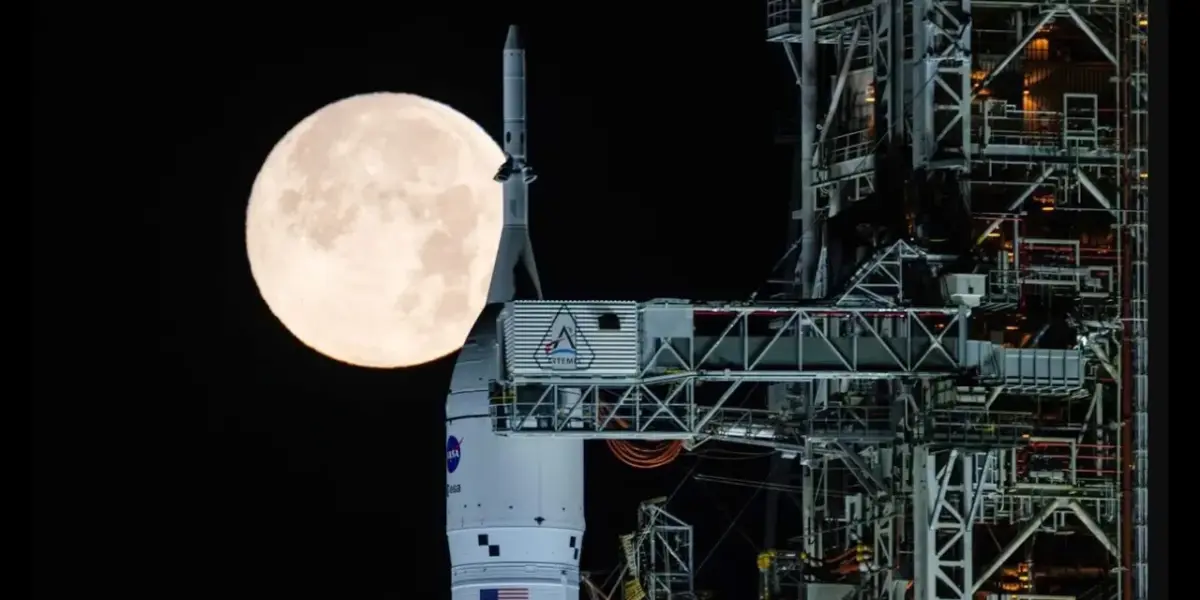
NASA Prepares for Historic Lunar Return
NASA is getting ready for a major comeback to the Moon. This isn’t just any mission; it’s a human trip planned to orbit our closest neighbor in space. This exciting journey is set to launch soon, marking a significant moment after half a century away from the lunar surface.
Artemis II: A Giant Leap Forward
The upcoming mission, known as Artemis II, is more than just a flyby. It’s the first step in a much larger plan to establish a long-term presence on the Moon. NASA’s associate administrator highlighted the readiness of the mission. “The vehicle’s ready, the system is ready, the crew is ready,” they stated. This flight is the beginning, not the end, of ambitious goals. These include future landings, building a lunar base, and even using nuclear power for deep space travel.
“53 years ago, humanity left the moon and did not return. Now we go back.”
A Legacy of Innovation and Collaboration
The return to the Moon draws parallels to the past. It took the combined effort of many industries and people to achieve the first Moon landings. The associate administrator emphasized this point, saying the challenges of this new era will be met by workers in factories. “The great challenges of the last century will run not in the command centers alone but in our factories where the industrial might of free nations built the instruments of progress.” This suggests that the success of space exploration relies on strong industrial capabilities and international cooperation.
The spirit of working together is crucial. “This challenge of expanding the frontier will be won the same way by the craftsmen, the engineers, and the industries of free nations building together what no nation can build alone.” This highlights the belief that complex goals like lunar exploration are best achieved through shared effort and combined resources.
Mission Details and Countdown
The Artemis II mission is scheduled to lift off from the Kennedy Space Center in Florida. The launch is set for 6:24 p.m. Eastern time. A crew of four astronauts will embark on this 10-day voyage. Their mission will involve orbiting the Moon, gathering valuable data, and testing systems for future lunar missions. Engineers are currently performing final checks on all systems and preparing the rocket for its journey.
Why This Matters
This mission represents a significant turning point in space exploration. After a long pause since the Apollo missions ended in 1972, human footsteps are poised to return to the Moon. It’s not just about revisiting a familiar place; it’s about pushing the boundaries of what’s possible. Artemis II is a crucial test for the technology and procedures needed for deeper space exploration, including potential missions to Mars. The collaboration mentioned also signals a new era of international partnerships in space, which can lead to faster progress and shared benefits.
Implications and Future Outlook
The success of Artemis II will pave the way for more ambitious lunar missions. This includes the Artemis III mission, which aims to land the first woman and the next man on the Moon. Beyond that, NASA plans to build a sustainable presence with the Lunar Gateway, a small space station orbiting the Moon. This base will serve as a stepping stone for even more distant explorations. The development of new technologies, like advanced life support systems and more efficient propulsion, will be essential for these future endeavors. This renewed focus on lunar exploration could also spur economic growth through private space companies and new industries.
Historical Context
The original Apollo program, which ran from 1961 to 1972, saw twelve astronauts walk on the Moon. It was a period of intense competition between the United States and the Soviet Union during the Cold War. The recent focus on the Moon, however, appears to be driven more by scientific discovery and long-term human expansion into space. While competition might still play a role, the emphasis on international cooperation suggests a different motivation than the space race of the 20th century. Artemis II builds on the legacy of Apollo but aims for a more sustained and widespread human presence beyond Earth.
Source: NASA Prepares for First Lunar Mission in Half a Century (YouTube)

Related Articles

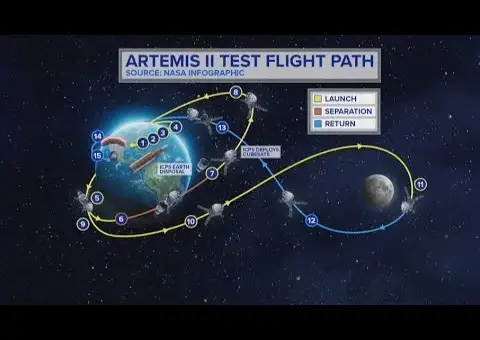
US Launches New Moon Race: Artemis II Ignites Space Ambitions
NASA's Artemis II mission is set to launch, marking the first human journey to the Moon in over 50 years. This 10-day lunar flyby will test critical spacecraft systems, serving as a vital step towards establishing a sustainable presence on the Moon and future Mars missions.


US Threatens Iran’s Infrastructure, Faces Diplomatic Backlash
U.S. President Trump has escalated rhetoric against Iran, threatening to destroy civilian infrastructure if a deal isn't reached, while Iran denies direct talks and calls proposals "unrealistic." Meanwhile, the Artemis II mission prepares for a historic lunar orbit, marking a new era of space exploration.


NASA’s Artemis 2 Mission: Astronauts Launch for Moon
NASA's Artemis 2 mission is set to launch, sending four astronauts on a historic journey around the moon. This marks humanity's first crewed voyage beyond Earth's orbit in over 50 years and is a crucial step towards establishing a long-term lunar presence and future Mars missions. The crew will test the Orion spacecraft's systems and conduct scientific observations during their 10-day mission.