Narcissist’s Web: The Chilling Interrogation of Joseph Ferazzo
An investigation into the chilling interrogation of Joseph Ferazzo, accused of murdering his wife Emily. The case highlights the psychological tactics used by law enforcement and the alleged manipulations of a suspect believed to be a narcissist.

The Calculated Calm of a Killer’s Interrogation
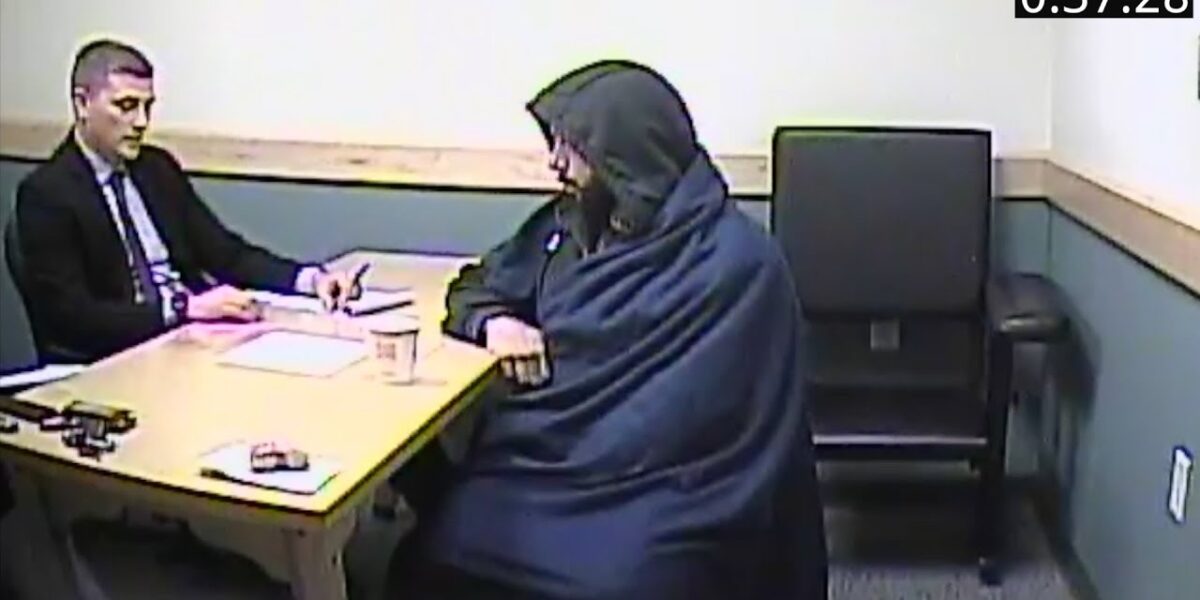
The air in the interrogation room hung thick with a manufactured calm. Outside, the Vermont State Police St. Albans barracks buzzed with an undercurrent of extreme caution. Inside, 41-year-old Joseph Ferazzo, a man classified as unpredictable and dangerous, sat across from seasoned officers. What unfolded was not a typical confession, but a meticulously orchestrated psychological dance, a testament to the chilling effectiveness of understanding a suspect’s personality, particularly when that suspect is believed to be a narcissist.
A Facade of Normalcy
The initial moments of Ferazzo’s interrogation were a masterclass in deception. Officers, briefed on his alleged personality traits, adopted an approach designed to disarm rather than confront. They offered coffee, inquired about his well-being, and maintained a cordial, almost friendly demeanor. This was not a sign of leniency, but a strategic maneuver. The transcript reveals how officers deliberately stripped the atmosphere of its gravity, responding to Ferazzo’s attempts at charm and humor in a way that protected his ego. The goal was to make him feel comfortable, to foster a sense of control within the suspect, making him more susceptible to external validation and, investigators hoped, more forthcoming.
“What you’re seeing here from the officer is deception. 100% pure choreography and a particular form of psychological maneuvering that just so happens to work perfectly with this individual’s personality.”
The Trial of Joseph Ferazzo: A Husband’s Defense
Three years later, Joseph Ferazzo stood trial, pleading not guilty to all charges, including the murder of his wife, Emily. His testimony painted a picture of a man driven to self-defense, a victim of his wife’s alleged escalating violence. He claimed their relationship, initially euphoric, devolved into abuse, with Emily being the aggressor. He described instances of her checking his phone, becoming enraged, and resorting to both verbal and physical assaults. Ferazzo maintained he never retaliated, a claim that would be scrutinized under cross-examination.
His narrative was carefully constructed. During his testimony, Ferazzo employed deliberate gestures – widening his eyes, performing hard swallows – to project vulnerability and shock. He recounted meeting Emily through an apprentice at his tattoo shop, describing an immediate attraction and a whirlwind romance that led to marriage within months. He admitted to a comment about her being his “next ex-wife” early on, a remark he framed as a flippant joke.
A Weekend Trip Turned Deadly
The prosecution presented a different narrative, one that began with a planned anniversary trip to Bolton, Vermont. The couple, along with their dog, Remington, embarked on what was supposed to be a relaxing getaway. However, according to Ferazzo’s account, the trip soured quickly. He claimed Emily became combative, criticizing the vacation plans and the camper van. He described taking the dog for a walk, bringing his handgun for protection against perceived coyotes, and returning to find Emily escalating her anger.
Ferazzo alleged Emily attacked him with a candlestick, forcing him to restrain her. He recounted her kicking their dog, an act he found implausible given Emily’s known affection for animals, while he himself had a history of alleged animal abuse. He then described a second confrontation, where Emily allegedly elbowed him in the groin. It was during this second encounter, he claimed, that he fired his Glock, stating Emily was reaching for a handgun she had allegedly placed under her pillow.
The Phantom Fugue State and a Trail of Evidence
Following the shooting, Ferazzo claimed a complete memory lapse, a “phony fugue state” as described by investigators, lasting three days. He stated he woke up in a police cell with no recollection of the events. However, this claim was starkly contradicted by a wealth of evidence. Corroborated witness testimony placed him having breakfast with his sister the morning after Emily’s death, getting a tattoo from him, and being told Emily was still asleep. He also sent a series of text messages to Emily’s phone and attended a bonfire party.
Crucially, he did not report Emily missing. It was her mother, concerned after days of unanswered calls and a switched-off phone, who eventually filed a missing person report. Ferazzo’s subsequent actions – wandering into the woods when he encountered police near the camper van, and his statement to a friend that he was going to take Emily’s body into the woods – painted a picture far removed from that of a traumatized, grieving husband.
The Interrogation: A Psychological Battleground
Detective Sergeant Amy Nolan’s approach to Ferazzo’s apprehension was pivotal. Instead of immediate apprehension, she engaged him in conversation, establishing a rapport that allowed her to bring him back to the barracks voluntarily. This, combined with her colleague Detective James Seth’s rapid briefing, set the stage for the unique interrogation strategy.
The interrogation itself highlighted Ferazzo’s narcissistic tendencies. He deflected, went on tangents about COVID-19 and economic policy, and sought to control the narrative by portraying himself as the victim. When questioned about his actions after Emily’s death, he admitted to cleaning up blood and placing Emily’s body in the bus’s bathroom, stating his plan was to “take it into the woods and drop it off.” His claims of not searching for information online about what to do after the incident were met with skepticism.
Justice and Lingering Questions
The case of Joseph Ferazzo serves as a stark reminder of the complexities within the justice system and the devastating impact of domestic violence. The deliberate psychological tactics employed by law enforcement underscore the challenges of investigating crimes committed by individuals who manipulate their environment and emotions. While the trial focused on Ferazzo’s defense of self-preservation, the evidence presented by the prosecution aimed to dismantle his carefully constructed facade, revealing a chilling narrative of calculated actions and a desperate attempt to evade responsibility. The full extent of the legal proceedings and sentencing in Ferazzo’s case would ultimately determine the final outcome, but the interrogation footage offers a profound, albeit disturbing, glimpse into the mind of a suspect battling not just the law, but his own deeply ingrained personality traits.
Source: How To Interrogate a Narcissist (YouTube)

Related Articles


Silent Warnings: When Ordinary People Foresee Disaster
Explore the chilling accounts of ordinary individuals whose warnings about impending crimes were tragically ignored. From financial fraud to mass violence, these stories highlight the critical importance of heeding early signs.

Cryptic Note, Impossible Fall: The Unsolved Death of Rey Rivera
Rey Rivera's death is shrouded in mystery, marked by a cryptic note, an impossible fall from a building, and a police investigation that hit insurmountable obstacles. The case remains officially unsolved, leaving more questions than answers.

Serial Killers’ Dumbest Mistakes Exposed!
From leaving digital breadcrumbs on Expedia to shoplifting a can of salmon, notorious serial killers have been caught due to surprisingly simple and often foolish mistakes. This article delves into the most egregious blunders that led to their capture.