Murdoch Outlet Questions Trump’s Iran War Strategy
A key intelligence official has resigned, criticizing the Iran war, while The Wall Street Journal reports military warnings were ignored. This raises questions about the administration's strategy and media support.

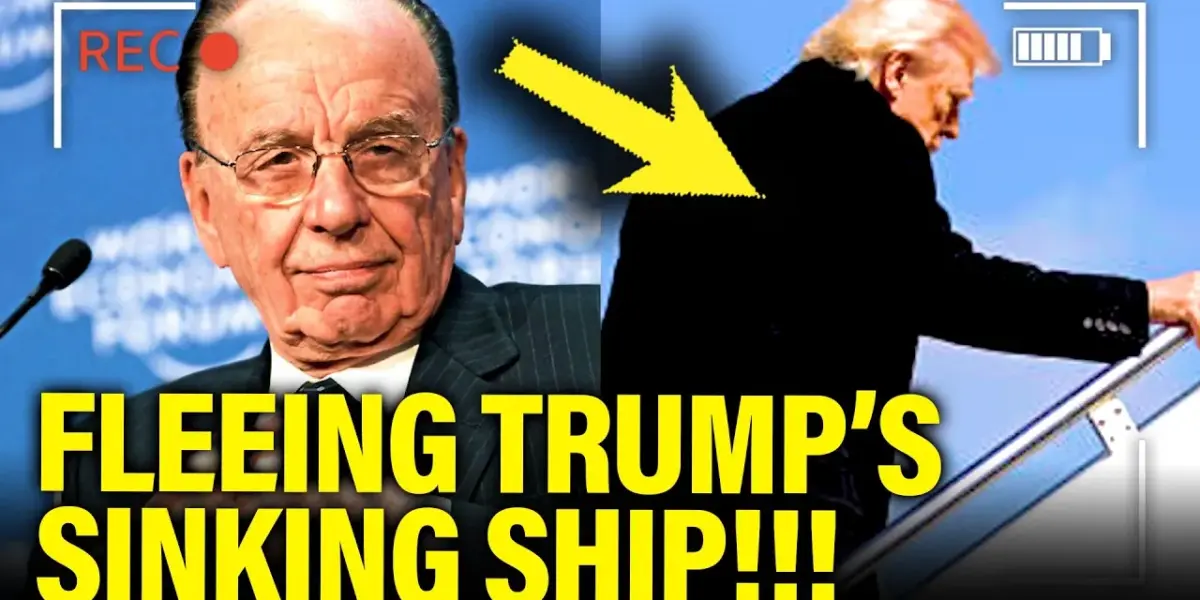
Murdoch Outlet Questions Trump’s Iran War Strategy
A high-ranking intelligence official has resigned, citing disagreements over the Iran war. This departure, coupled with critical reporting from Rupert Murdoch’s Wall Street Journal, raises serious questions about the Trump administration’s handling of the conflict. The situation highlights a potential rift between the President and key figures within his national security team, as well as a shift in media support.
Intelligence Official Resigns Over Iran War
Joe Kent, Director of the National Counterterrorism Center and a longtime Trump ally, resigned recently. He stated that he could not support the administration’s actions regarding Iran. Kent’s resignation letter, which was made public, claimed the war was not justified by an immediate threat from Iran. He also stated that the administration’s direction on the matter was something he could not support. This is a significant move, as Kent is the most senior figure to step down so far over this issue.
Kent’s resignation came after he reportedly accused influential members of the American media and Israeli officials of spreading misinformation. He claims this campaign undermined the “America First” platform and pushed for war with Iran. According to Kent, these efforts aimed to convince the President that Iran posed an immediate threat and that a swift victory was possible. He likened these tactics to those used to justify the Iraq War, which he described as disastrous and costly in American lives.
Kent stated, “As a veteran who deployed to combat 11 times and as a gold star husband who lost my beloved wife Shannon in a war manufactured by Israel, I cannot support sending the next generation off to fight and die in a war that serves no benefit to the American people, nor justifies the cost of American lives.”
Wall Street Journal Reports Warnings Ignored
Kent’s resignation is not an isolated event. It follows a series of reports from The Wall Street Journal, owned by media mogul Rupert Murdoch. These reports suggest that military leaders had warned President Trump about the potential risks of war with Iran. However, these warnings were allegedly ignored by the President. Before the conflict escalated, senior officials, including top military leaders, reportedly cautioned about disruptions to global oil shipping through the Strait of Hormuz. These concerns are now seemingly becoming a reality, with reports of instability in shipping routes and rising oil prices.
These developments suggest a potential disconnect between President Trump and his national security advisors. The administration has faced challenges in securing international support for its actions. President Trump himself has expressed confidence in America’s strength, stating, “We don’t need anybody. We’re the strongest nation in the world.” He also claimed that NATO allies were in favor of the action taken against Iran, despite their reluctance to assist with naval escorts through the Strait of Hormuz.
Differing Accounts of the Threat
There are clearly differing views on the threat posed by Iran. While President Trump and some officials maintain that Iran presented an imminent danger, others, like Joe Kent, disagree. The President has described Iran as an “evil group” that threatened to develop nuclear weapons and attacked regional allies. He stated that military action was necessary to prevent mass casualties and protect American interests.
Conversely, Kent’s resignation implies that the threat was not as immediate or severe as presented. This suggests a potential conflict in intelligence assessments or a deliberate downplaying of risks by some within the administration. The President has often dismissed critical reports as “fake news,” including those from The Washington Post detailing similar warnings from military leaders.
Implications and Future Outlook
The resignation of a senior intelligence official and critical reporting from a major media outlet like The Wall Street Journal are significant. They can erode public trust and create internal divisions within the government. This situation raises questions about the justification for the Iran war and whether the administration properly considered the risks involved. It also brings into question the “America First” principles that President Trump campaigned on, particularly concerning the human and economic costs of foreign conflicts.
The conflict with Iran, and the internal disagreements surrounding it, could have long-term consequences. It may impact regional stability, global energy markets, and the United States’ relationships with its allies. The administration’s ability to manage these complex issues effectively will be closely watched. The divergence in perspectives between the President, his intelligence officials, and key media voices suggests a challenging path ahead.
Why This Matters
This situation is crucial because it touches on fundamental issues of national security decision-making, the role of media in shaping foreign policy, and the integrity of information presented to the public. When high-ranking officials resign over a major policy decision like a war, it signals deep-seated disagreements. The fact that these warnings and disagreements are being reported by outlets like The Wall Street Journal, even if the President disputes them, indicates that scrutiny is increasing. It forces a public conversation about whether the nation is being led into conflict based on accurate intelligence and clear national interests, or on potentially flawed assumptions and external pressures. The cost of war, in terms of lives and resources, demands the highest level of transparency and accountability.
Historical Context
The situation echoes past debates about the justification for military action, most notably the lead-up to the 2003 invasion of Iraq. In that instance, intelligence regarding weapons of mass destruction was later found to be flawed, leading to widespread criticism of the decision-making process. The current situation with Iran, as described by Joe Kent, draws a direct parallel to the Iraq War’s origins. The alleged use of misinformation campaigns to build support for war is a recurring theme in international relations. Understanding these historical parallels is vital for evaluating the current events and avoiding past mistakes.
Trends and Future Outlook
The trend of internal dissent becoming public, coupled with critical reporting from traditionally aligned media, suggests a growing challenge for the Trump administration in controlling the narrative. The President’s repeated claims of “fake news” may become less effective as more credible sources and officials voice concerns. The future outlook depends on how these internal and external pressures are managed. Will the administration adapt its strategy based on new information and dissenting opinions, or will it continue to push forward, potentially facing greater instability and criticism? The coming weeks and months will likely reveal more about the administration’s resolve and its ability to navigate this complex geopolitical situation.
Source: Murdoch ABANDONS TRUMP after WAR DISASTER (YouTube)

Related Articles

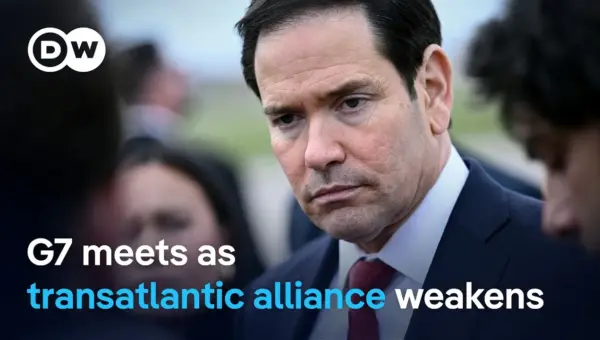
G7 Allies Clash Over Iran War Strategy, Urge Focus on Russia
G7 foreign ministers met in Paris, revealing deep divisions over the U.S. war with Iran. European allies urged the U.S. to pressure Russia, linking its actions to the conflict and fearing support for Ukraine will wane.


US Must Block China’s Tech Access for Security
US national security experts are raising alarms about China's access to advanced AI chips, arguing it threatens strategic advantages. This, coupled with charges against Chinese entities for fentanyl precursor sales and a ban on foreign routers, signals a growing effort to prioritize security over business ties.

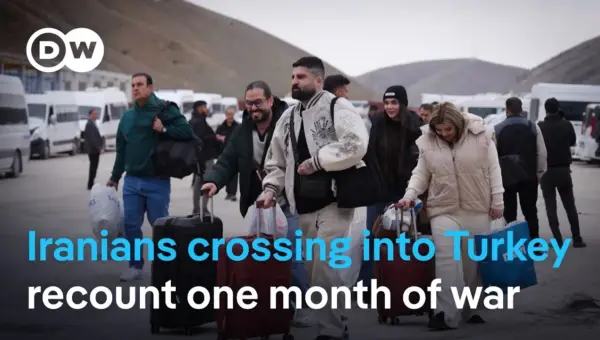
Iran War Exodus: Refugees Flee to Turkey Amidst Bombings
A train from Tehran brings refugees to Turkey, fleeing daily bombings and economic collapse. Many express deep fear for loved ones left behind, while some hold onto national pride and hope for victory. The conflict's impact is also felt economically in Turkey, with rising gas prices.