Munich ’72 Olympics: Terror’s Darkest Hour
The 1972 Munich Olympics, meant to showcase peace, became a scene of horror when Black September terrorists killed 11 Israeli athletes. This tragic event exposed security flaws and marked a turning point in global terrorism.

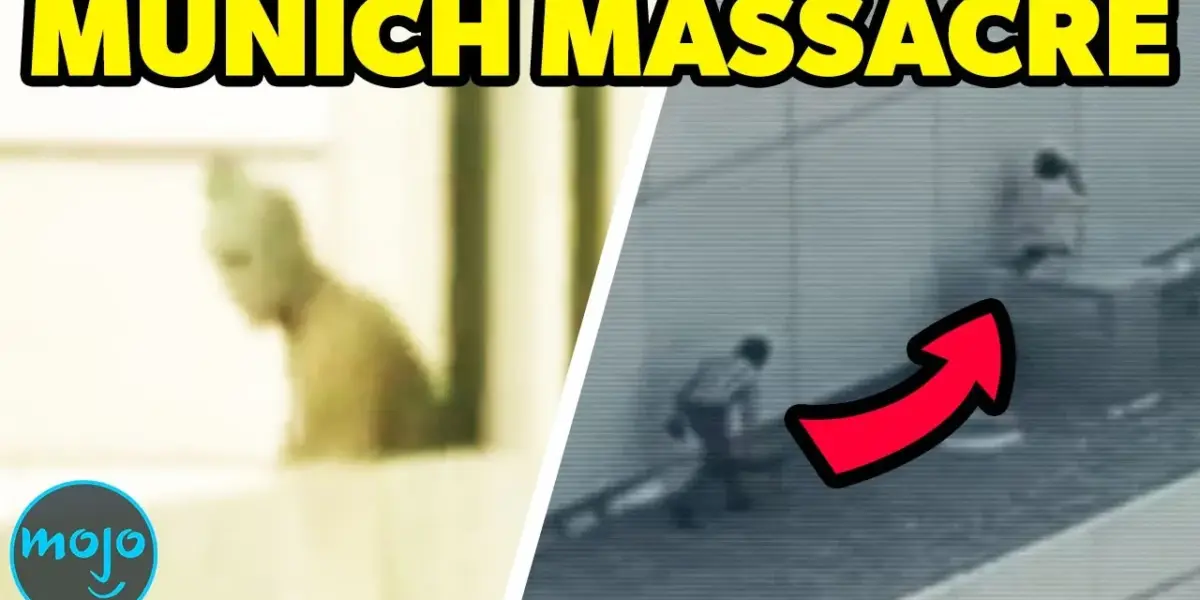
Munich ’72 Olympics: Terror’s Darkest Hour
The 1972 Munich Olympics were meant to be a symbol of peace and a fresh start for Germany. Instead, they became the stage for one of the most horrific acts of terrorism the world had ever seen. On September 5, 1972, the dream of a serene Games shattered before the eyes of the world. Eight members of the Palestinian militant group Black September stormed the Israeli team’s quarters in the Olympic Village. They took 11 athletes hostage, and by the end of a long, tragic day, all of them were dead. This devastating event, known as the Munich Massacre, wasn’t just a loss of life; it was a turning point that forever changed global politics, security, and the nature of terrorism itself.
Roots of Conflict
The road to Munich was paved with decades of unresolved conflict. Its story begins in 1948 with the creation of Israel and the displacement of hundreds of thousands of Palestinians. Many became refugees, living in camps in neighboring countries, their dreams of returning home fading with each passing year. This deep-seated grievance fueled a growing sense of statelessness and injustice.
Meanwhile, the global stage was set by the Cold War. The United States and the Soviet Union were locked in a tense rivalry, often using smaller nations as pawns in their geopolitical chess game. In the Middle East, decolonization had left many new nations struggling with internal conflicts and shifting borders. Palestinian militants, feeling ignored by traditional diplomatic channels, began looking for ways to make their voices heard on the international stage.
A New Era of Violence
By the late 1960s and early 1970s, Palestinian political groups were evolving. Many were secular and nationalist, inspired by anti-colonial movements. They saw armed struggle and spectacular acts of violence as the only way to gain attention and force political change. This strategy was partly fueled by the Soviet Union, which saw an opportunity to support groups challenging Western-aligned nations like Israel.
Yasser Arafat, a key figure in the Palestinian movement, rose to prominence during this period. The conflict was increasingly framed not just as a regional dispute but as a human rights struggle against a powerful oppressor. This narrative was amplified by groups like Black September, formed after a crackdown on Palestinian fighters in Jordan in 1970. They specialized in high-profile attacks, including hijackings and assassinations, aiming to shock the world into paying attention.
The Olympic Stage: A Deadly Choice
The Olympic Games in Munich were chosen for a reason. They offered an unparalleled global platform. Hundreds of millions were watching live television broadcasts, and the world’s media was swarming the event. For Black September, it was the perfect opportunity for a massive public relations coup. The organizers of the 1972 Munich Olympics had made a deliberate choice to downplay security. West Germany wanted to present a new, friendly image to the world, moving away from the militaristic past associated with the 1936 Berlin Games. Security was intentionally light, with few armed guards and an open, civilian-style Olympic Village.
This relaxed atmosphere created a dangerous vulnerability. Israeli athletes, easily identifiable, became prime targets. The attackers, disguised as athletes, easily bypassed the minimal security, climbing over low fences and entering the Israeli team’s quarters in the pre-dawn hours of September 5th. What followed was not a rescue, but a rapid descent into tragedy. Two Israeli athletes were killed in the initial struggle, making it clear that the attackers were prepared to kill.
A Day of Terror and Failed Rescue
The terrorists’ demands were stark: the release of over 200 Palestinian prisoners held in Israel, along with German radicals Andreas Baader and Ulrike Meinhof, and safe passage out of Germany. A long day of tense negotiations followed, with deadlines repeatedly extended. This prolonged standoff, played out live on television, amplified the drama but also hardened positions and narrowed options.
The German authorities, unprepared for such a crisis, struggled to coordinate a response. They lacked a clear counterterrorism doctrine and a unified command structure. Decisions were delayed, debated, and often reversed. The media’s intense scrutiny added further pressure, creating a chaotic feedback loop that complicated rescue efforts.
As negotiations stalled, officials decided to move the hostages and attackers to the Fürstenfeldbruck Air Base, where a plane was supposed to be waiting. This move proved disastrous. The air base was poorly prepared, and communication between responding units broke down. German snipers, positioned to intercept, opened fire without proper coordination. The ensuing firefight was a chaotic failure. In the end, all nine remaining Israeli hostages were killed, along with a German police officer. Five of the eight attackers also died, with three taken into custody.
A World Changed Forever
The Munich Massacre sent shockwaves across the globe. The illusion of the Olympics as a sanctuary of peace was shattered. It became terrifyingly clear that terrorism could strike anywhere, targeting large international events and innocent civilians. This event forced a global reevaluation of security measures at airports, embassies, and sporting venues.
The tragedy led to the creation of specialized counterterrorism units in many countries, including Germany’s GSG 9. It highlighted the need for better intelligence sharing and coordinated international responses to terrorism. The Munich Massacre was a brutal lesson, demonstrating that the world could no longer afford to look away from the festering wounds of unresolved conflicts. The echoes of that day in 1972 continue to shape our world, reminding us of the devastating cost of violence and the enduring quest for peace.
Source: Munich Massacre: 100 Moments That Made The World Stand Still – Episode 6 (YouTube)

Related Articles
FBI: Michigan Synagogue Truck Attack Was Hezbollah-Inspired Terrorism
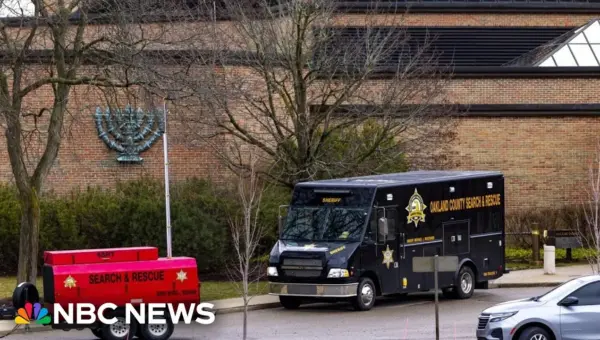
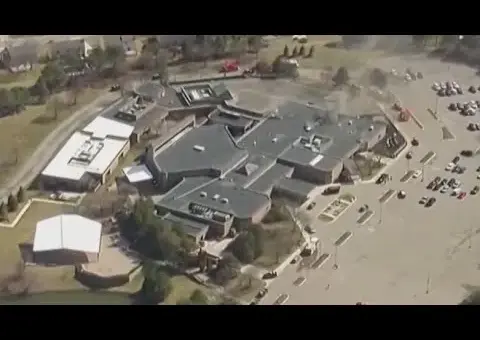
The FBI has classified the March truck ramming attack on a Michigan synagogue as a Hezbollah-inspired act of terrorism. The attacker, who died by suicide during a shootout with security, sent disturbing messages before the assault, expressing intent to kill as many Jewish people as possible. The investigation revealed his radicalization was fueled by family losses in Lebanon and exposure to extremist media.
Hezbollah’s Reach Extends to U.S. Terror Plot
The FBI has linked a recent Michigan synagogue attack to Hezbollah, revealing the attacker's meticulous planning and violent intentions. The incident underscores concerns about foreign militant ideologies influencing domestic threats within the U.S. This development highlights the global reach of groups like Hezbollah.
FBI: Michigan Synagogue Attack ‘Hezbollah-Inspired’
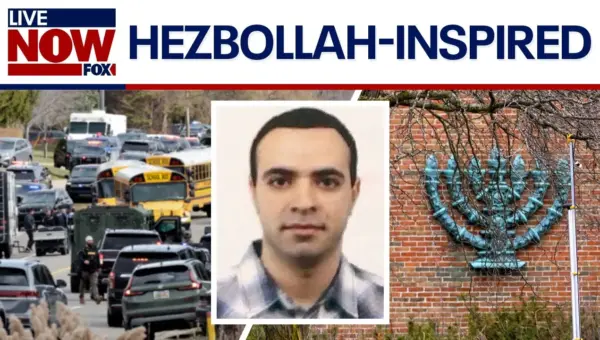
The FBI has concluded that the March 12th attack on Temple Israel in Michigan was inspired by Hezbollah. Investigators detailed the attacker's radicalization process, online activity, and meticulous planning, which included extensive research and the acquisition of weapons and gasoline. Despite the clear ideological motivation, authorities have found no evidence of co-conspirators or an ongoing threat to the community.