Multilateralism’s Resilience Amid Global Challenges
Despite ongoing debates about its demise, multilateralism remains vital, particularly in its capacity to fund essential initiatives for the world's poorest nations. The key lies in identifying the 'what kind' and 'for what purpose' of future global cooperation.

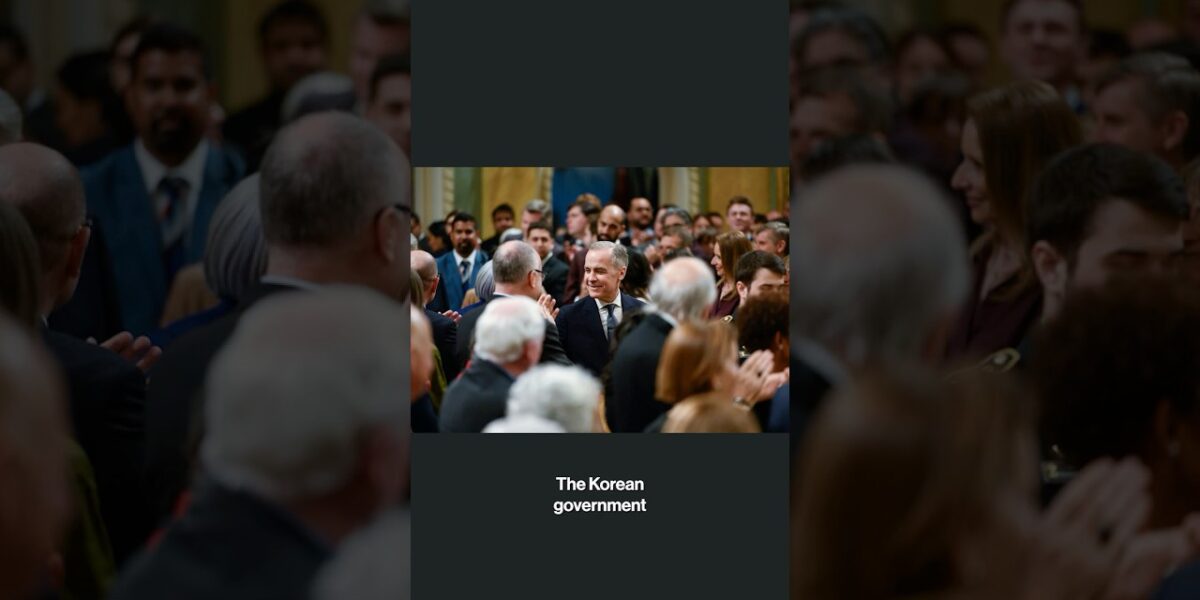
Multilateralism’s Resilience Amid Global Challenges
Despite pronouncements of its demise, multilateralism is demonstrating a surprising resilience, particularly in its ability to secure funding for critical global initiatives. While the geopolitical landscape is fraught with tension and the very definition of multilateral cooperation is being questioned, the practical necessity of collective action, especially in supporting developing nations, remains a powerful driver.
Funding the Poorest Nations: A Core Test
A key indicator of multilateralism’s enduring relevance lies in its capacity to mobilize resources for the world’s most vulnerable populations. The speaker highlights the ongoing need to raise funds annually for the portion of a development bank that supports the 78 poorest countries. This segment of the bank operates differently, providing approximately one-third of its funds as grants, meaning the money is not repaid by recipient nations.
This operational model necessitates consistent recapitalization. Even though the broader development bank may be profitable and self-sustaining, the specific window for concessional lending—loans with below-market interest rates or grants—requires dedicated capital injections. The annual fundraising effort underscores a persistent, tangible need that global cooperation aims to address.
The Question of ‘What Kind’ of Multilateralism
The assertion that multilateralism is ‘dead’ is a common refrain in contemporary discourse. However, the speaker posits that the more pertinent question is not *if* multilateralism exists, but rather ‘what kind’ of multilateralism is relevant and ‘for what purpose.’ This nuanced perspective suggests that while traditional, broad-based multilateral frameworks might be strained, specific, targeted forms of cooperation are not only surviving but are essential.
The ongoing need to fund development aid for the poorest nations serves as a concrete example of this. It demonstrates that even in an era of heightened nationalism and skepticism towards global institutions, the practical requirements of poverty alleviation and sustainable development continue to necessitate collective financial commitments. The ability to raise funds, even if it requires continuous effort, points to a functional, albeit perhaps evolving, form of multilateral engagement.
Market Impact and Investor Considerations
What Investors Should Know:
- Development Finance as a Bellwether: The continued funding and operation of development banks, particularly their concessional lending arms, can serve as an indirect indicator of global cooperation’s practical efficacy. While not a direct market driver in the short term, sustained support for these institutions signals a commitment to long-term global stability and economic development, which can have subtle positive implications for emerging markets and global trade.
- Geopolitical Risk and Investment: The underlying geopolitical tensions that fuel skepticism about multilateralism also represent significant risks for investors. These can manifest as trade disruptions, supply chain vulnerabilities, and increased volatility in emerging and frontier markets. Investors need to monitor geopolitical developments closely and assess their potential impact on specific sectors and regions.
- ESG Considerations: The work of multilateral development banks aligns with Environmental, Social, and Governance (ESG) investing principles. Companies and funds that engage with or benefit from these development initiatives may find themselves increasingly attractive to ESG-focused investors. The ability of these banks to secure funding can thus indirectly support investment flows into sectors aligned with sustainable development goals.
- Long-Term Stability vs. Short-Term Volatility: While the immediate market focus is often on short-term gains and risks, the underlying need for global cooperation, as evidenced by development funding, points to a long-term requirement for stability. Investors focused on long-term wealth preservation and growth may find it beneficial to consider how global cooperation, even in its challenged state, contributes to a more predictable international environment.
The Evolving Landscape of Global Cooperation
The conversation around multilateralism’s future is complex. It is undeniable that global institutions face significant headwinds, including great power competition, protectionist policies, and differing national interests. However, the fundamental needs of global development, humanitarian aid, and tackling transnational challenges like climate change (though not explicitly detailed in the provided transcript) continue to demand collaborative solutions.
The speaker’s emphasis on the *type* and *purpose* of multilateralism suggests a shift from grand, all-encompassing agreements to more pragmatic, issue-specific collaborations. The continued operational success of development banks in channeling funds to the neediest countries illustrates that where there is a clear, demonstrable need and a functional mechanism, multilateral action can still yield results. This pragmatic approach may be the key to multilateralism’s survival and adaptation in the current global climate.
For investors, this means understanding that while headlines may proclaim the death of global cooperation, the underlying mechanisms that support critical functions, like development aid, are often more robust than perceived. The challenge lies in navigating the geopolitical complexities that impact global markets while recognizing the persistent, practical value of collective action in specific domains.
Source: Is Multilateralism Over? (YouTube)

Related Articles

Geopolitical Turmoil Bolsters Bitcoin Amidst ETF Inflows
Geopolitical tensions and strong Bitcoin ETF inflows are creating a resilient market. Analysts point to exhausted sellers and the potential for capital rotation into crypto, while regulatory clarity on the Clarity Act could unlock significant institutional investment.

Trump Threatens “Unseen” Force on Iran After Leader’s Death
Following the assassination of Supreme Leader Ayatollah Ali Khamenei, U.S. President Donald Trump has vowed to unleash unprecedented force on Iran. While outlining ambitious goals including regime change, experts express skepticism about the effectiveness of airstrikes and the potential for popular uprising against a resilient Iranian government.


Trump’s War Rhetoric: Casualties Are a Burden He’ll Bear
Donald Trump's acknowledgment of potential casualties in a conflict, described as illegal and unconstitutional, has drawn criticism for perceived detachment. The analysis explores the implications of such rhetoric and the leader's responsibility for initiating warfare.