Mueller’s Passing Marks End of an Era in US Politics
Robert Mueller, the former FBI Director who investigated Russian interference in the 2016 U.S. election, has died at age 81. Known for his integrity, Mueller's tenure saw 34 indictments, though his report did not exonerate Donald Trump. MSNBC's Rachel Maddow reflected on his passing, calling it the end of an era and highlighting the challenges in communicating the investigation's findings.

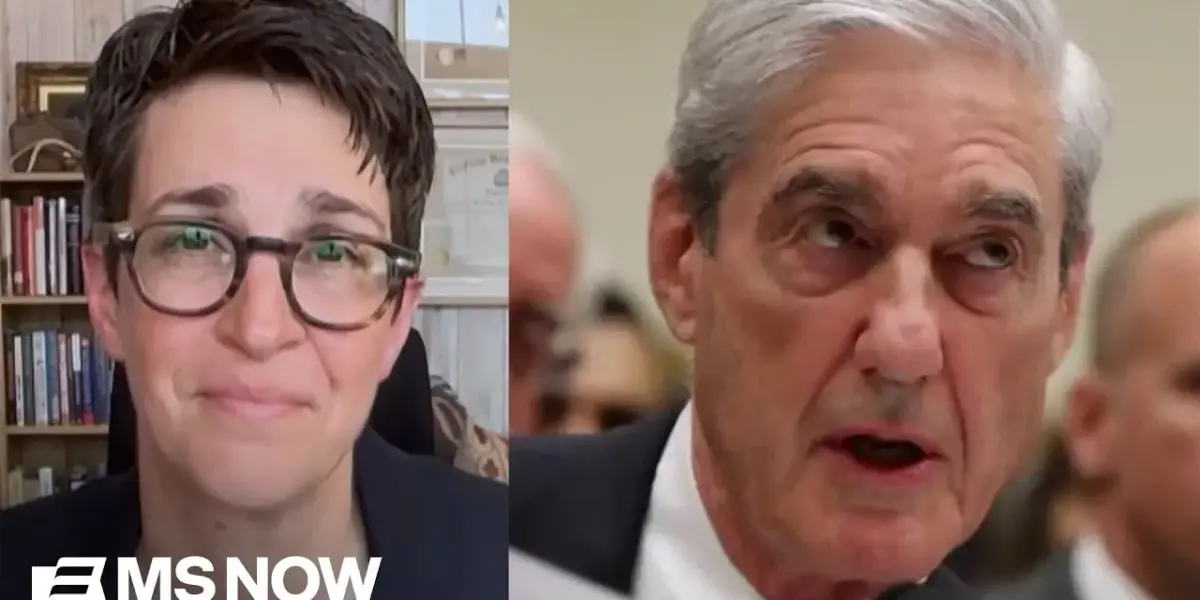
Robert Mueller, Investigator of Trump-Russia Ties, Dies at 81
Robert Mueller, the former FBI director who led the high-profile investigation into Russia’s interference in the 2016 U.S. presidential election and potential ties to Donald Trump’s campaign, passed away on Friday. He was 81 years old. Mueller, a decorated public servant with a career spanning decades, was known for his integrity and dedication to the law.
A Legacy of Public Service
Mueller’s career began with a distinguished service in the U.S. Marines, earning a Bronze Star. He later served as a federal prosecutor before being appointed U.S. Attorney for Massachusetts. His reputation for fairness and competence led President George W. Bush to appoint him as FBI Director in 2001. Mueller served in this role for ten years, an extended tenure that saw him transform the FBI into a modern intelligence agency capable of protecting national security and civil liberties.
His leadership at the FBI earned him bipartisan praise. President Barack Obama asked him to stay on for an additional two years, a testament to his respected position across the political spectrum. Mueller’s tenure as FBI Director was the longest since J. Edgar Hoover, highlighting his significant impact on the agency.
The Russia Investigation and Its Aftermath
Mueller became a household name when he was appointed Special Counsel in May 2017 to investigate Russian interference in the 2016 election. His investigation spanned nearly two years and resulted in 34 indictments and guilty pleas from individuals connected to the Trump campaign, including former campaign chairman Paul Manafort, national security adviser Michael Flynn, and former Trump lawyer Michael Cohen.
While the investigation did not establish that the Trump campaign conspired or coordinated with the Russian government, it famously concluded that the report did not exonerate President Trump. Mueller himself stated, “If we had confidence that the president committed a crime, we would have said so.” This distinction became a focal point of debate following the report’s release.
Rachel Maddow Reflects on Mueller’s Impact
MSNBC host Rachel Maddow, who covered the Mueller investigation extensively, reflected on his passing as the end of an era. “There aren’t very many people for whom I would say this, but it is the end of an era,” Maddow stated. She described Mueller as one of the last in a line of public officials characterized by their propriety, nonpartisan competence, and willingness to rise above party politics.
Maddow pointed to the way the Mueller report’s findings were handled and communicated as a significant aspect of its legacy. She noted that then-Attorney General Bill Barr’s actions in summarizing and releasing the report’s conclusions were seen by many, including Mueller himself, as misrepresenting the investigation’s work. “Barr absolutely buried him in terms of the impact that bureaucratic failure is the most important thing in American history about the Mueller report, not his findings, but the way they were submarined,” Maddow observed.
Key Findings and Public Understanding
Maddow reiterated the core findings of the Mueller report: conclusive evidence of Russian interference in the 2016 election and charges brought against Russian individuals and entities, as well as those associated with the Trump campaign. She emphasized that the report found evidence that Russia helped Trump and that Trump knew about the help, while also attempting to impede the investigation.
A crucial element of Mueller’s conclusions, Maddow explained, was the Department of Justice policy against indicting a sitting president. This led Mueller to state that he could not definitively charge Trump with a crime. However, he also made clear that the report did not exonerate the president, particularly regarding obstruction of justice. Maddow criticized the subsequent efforts by Barr and Trump to frame the report as exonerating, stating, “The disingenuous sort of smokescreen efforts from Trump and his partisans were given equal weight to the evidence-based, fact-based, provable conclusions of a professional investigation.”
A Figure of Propriety in a Tumultuous Era
Maddow characterized Mueller as a figure who seemed to belong to an older era of American public life, one defined by integrity and adherence to the rule of law. She contrasted his public persona with the often chaotic and personality-driven nature of the Trump era.
She also reflected on moments of public revelation during the Trump administration, including the initial perception of Jared Kushner’s influence and Joe Biden’s demeanor during a presidential debate. Maddow placed Mueller’s 2019 congressional testimony as a significant, albeit more tragic, public reveal. She described him as appearing elderly and frail, which, for some, raised concerns about the immense pressure placed upon him during the investigation.
The Challenge of Nuance in Reporting
Looking back at the media’s coverage, Maddow suggested a failure in synthesizing complex facts and distinguishing between proven evidence and political assertions. She argued that the media and the country struggled to maintain the necessary nuance, allowing false claims to gain equal footing with factual findings through repetition and insistence.
“We shouldn’t have given those things equal weight,” Maddow said. “But by simple repetition, insistence and bullying and menace on Trump’s side, those things came to be seen as effectively equal takes on the same set of facts. And that is a failure of synthesis.” This, she concluded, has had lasting consequences for public understanding.
Looking Ahead
Robert Mueller’s passing closes a significant chapter in American political history. His legacy as a dedicated public servant and the Special Counsel who navigated one of the most politically charged investigations in modern times will continue to be debated and analyzed. The way his findings were presented and perceived, and the subsequent challenges to their interpretation, offer enduring lessons about the intersection of law, politics, and public discourse.
Source: Rachel Maddow reacts to Robert Mueller’s passing (YouTube)

Related Articles
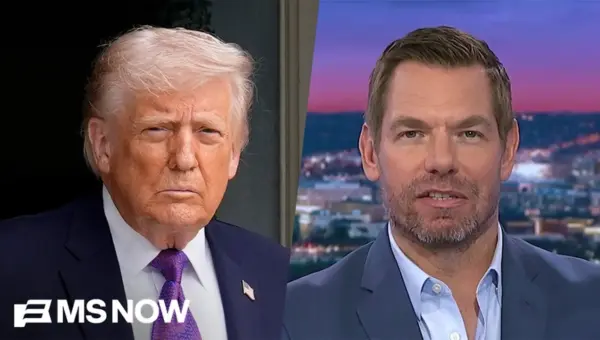
Trump’s Iran War Plans Criticized Amid Border Funding Standoff
Lawmakers and analysts are criticizing the Trump administration's handling of the Iran conflict and its approach to border funding, arguing that a lack of clear planning and a focus on political battles are making the U.S. less safe. Concerns are particularly high regarding the FBI's priorities and the potential impact of these issues on national security.


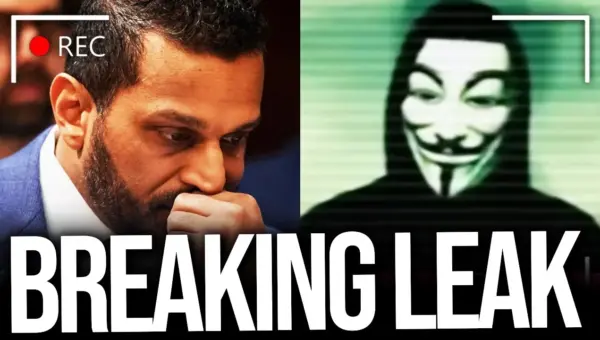
Iran Hacks FBI Director: A Stunning Breach of US Security
Iranian hacker groups claim to have breached the personal email of former FBI Director Cash Patel. This incident raises serious concerns about U.S. government security and follows other controversies surrounding Patel's tenure. It highlights the ongoing threat of foreign cyberattacks.

FBI Director’s Email Hack Exposes Security Failures
FBI Director Cash Patel's personal email hack has exposed significant security lapses and follows a series of controversies, including alleged misuse of government jets and personal conduct issues. The incident raises alarms about the security of government information and public trust.