MTG’s Iran Stance: A Raging Revolt Against Trump’s War?
Marjorie Taylor Greene publicly challenges Donald Trump's stance on Iran, accusing him of betraying "America First" principles and sparking internal dissent within the movement. Her critiques highlight perceived policy contradictions, economic fallout, and a generational divide.

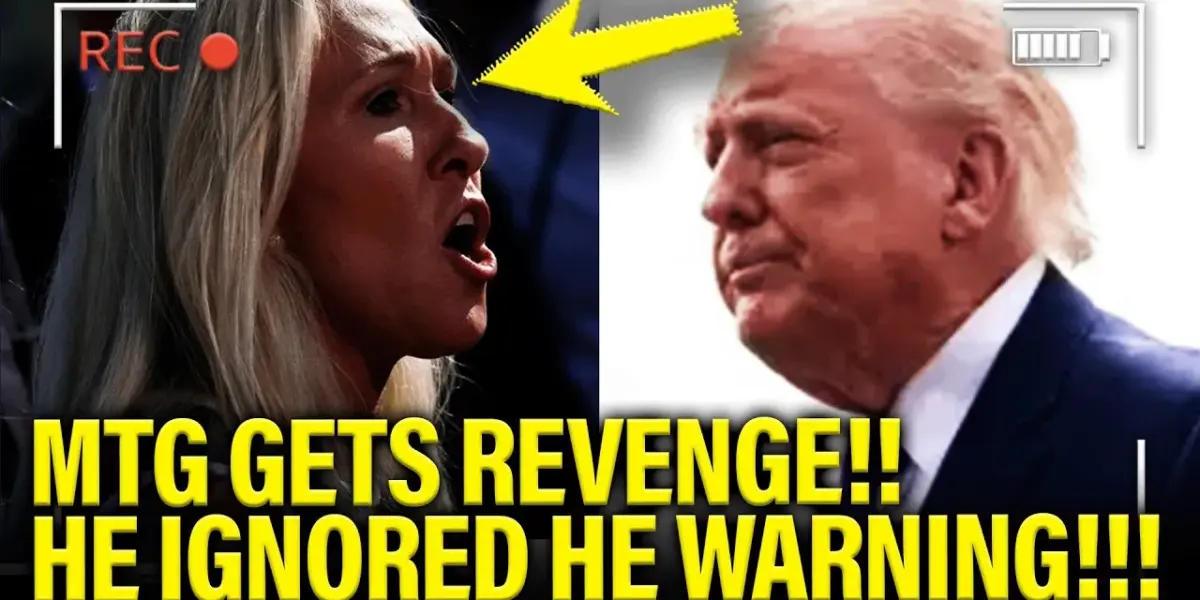
MTG’s Iran Stance: A Raging Revolt Against Trump’s War?
Marjorie Taylor Greene, a prominent figure in the America First movement, has launched a blistering public critique of former President Donald Trump’s apparent pivot towards military engagement in the Middle East, specifically concerning Iran. In a series of statements and media appearances, Greene has not only voiced strong opposition to a potential escalation but has also positioned herself as a vocal dissenter against what she perceives as a betrayal of the core tenets of the America First ideology.
A Stark Break from Trump’s Rhetoric
Greene’s criticisms, particularly her appearance on CNN with Caitlyn Collins, reveal a significant schism. She openly questions Trump’s pronouncements, such as the notion that a war would end “when I feel it in my bones,” dismissing them as lacking clarity and bordering on cognitive impairment. This is a direct challenge to Trump’s established persona and a stark departure from the unified front often presented by his most ardent supporters.
The core of Greene’s argument rests on a perceived contradiction between Trump’s past promises to end foreign wars and his current administration’s actions. She highlights the deployment of thousands of additional U.S. military troops to the region, including a Marine Expeditionary Unit, which she likens to precursors for ground invasions in past conflicts. This move, she argues, is not only a deviation from his “America First” platform but also a dangerous escalation that lacks clear justification.
Accusations of Deception and Mismanagement
Greene directly accuses Trump of being a “liar” regarding Iran’s nuclear capabilities. She recalls his earlier claims of having “completely obliterated” Iran’s nuclear program, contrasting it with current rhetoric suggesting imminent threats. This inconsistency, she contends, erodes public trust and undermines the very foundation of his political appeal.
Furthermore, Greene links the military actions directly to negative economic consequences for Americans. She points to skyrocketing gas prices and increased inflation as direct results of the escalating conflict, arguing that this makes everyday life unaffordable for struggling families. She frames this as a betrayal of the “America First” promise, which she interprets as prioritizing domestic well-being over foreign entanglements.
A Generational Divide and a Call to Action
Beyond policy critiques, Greene taps into a broader generational divide within the Republican party. She contrasts the experiences and priorities of younger generations, who have borne the brunt of recent foreign conflicts, with those of the “baby boomer” generation, whom she accuses of clinging to power and perpetuating costly wars. This framing positions her as a voice for a younger, more peace-oriented constituency that feels disenfranchised by the current political establishment.
Greene also calls on other prominent “America First” figures, such as JD Vance and Tulsi Gabbard, to speak out against the current trajectory. She suggests that these individuals, who previously expressed skepticism about war with Iran, are in a difficult but necessary position to challenge the administration’s actions. This is a clear attempt to coalesce opposition and pressure Trump from within his own political base.
Historical Context and the “America First” Ethos
The “America First” movement, historically, has been characterized by a strong emphasis on non-interventionism and a focus on domestic issues. While its modern iteration under Trump brought a nationalist fervor, the core tenet of avoiding costly foreign entanglements has been a consistent theme. Greene’s current stance aligns with this historical interpretation, positioning Trump’s actions as a deviation from the movement’s foundational principles.
The current situation echoes past debates surrounding U.S. involvement in the Middle East, where the justifications for military action have often been met with public skepticism and concerns about unintended consequences. The deployment of troops, the rhetoric surrounding potential conflict, and the economic fallout are all familiar elements in the complex tapestry of American foreign policy.
Why This Matters
Greene’s vocal opposition is significant for several reasons. Firstly, it exposes a potential fracture within the influential “America First” movement, which has been a cornerstone of Trump’s political power. If a leading voice like Greene can successfully rally opposition to Trump’s foreign policy, it could signal a weakening of his grip on the base.
Secondly, it raises critical questions about the direction of U.S. foreign policy and the consistent application of the “America First” doctrine. The tension between interventionist impulses and non-interventionist ideals within the Republican party is being brought to the forefront.
Finally, Greene’s focus on the human and economic costs of war resonates with a broader public sentiment that has grown weary of prolonged military engagements. Her arguments about the impact on everyday Americans, from gas prices to the well-being of military families, could find traction beyond the confines of the Republican party.
Implications, Trends, and Future Outlook
The implications of this internal dissent are far-reaching. If Trump’s “America First” base begins to splinter over foreign policy, it could impact his electability and the Republican party’s platform. Greene’s strategy of appealing to a younger generation and emphasizing economic hardship could also signal a shift in how political movements mobilize and frame their arguments.
The trend towards a more isolationist or non-interventionist foreign policy, even within a traditionally hawkish party, is a significant development. Greene’s outspokenness reflects a growing segment of the electorate that is questioning the efficacy and cost of perpetual foreign wars.
Looking ahead, the conflict in Iran and its domestic repercussions will likely remain a focal point of political debate. The extent to which Greene’s criticisms gain traction among other “America First” adherents and the broader electorate will be a key indicator of the future direction of both the movement and U.S. foreign policy. The potential for a significant internal revolt against Trump’s perceived shift on foreign interventionism is a narrative to watch closely.
Source: MTG gets FINAL REVENGE on Trump as IRAN WAR BACKFIRES!! (YouTube)

Related Articles

Polls Spell Doom: Republicans Face Voter Backlash
New polling data reveals a sharp decline in public confidence regarding the economic impact of Republican policies, particularly under Donald Trump. A significant majority now feel financially worse off, a trend that is especially pronounced among independent voters. This economic discontent poses a major challenge for the Republican party heading into future elections.


Americans Rally for Democracy Amidst War and Economic Woes
Thousands of Americans are participating in "No Kings" rallies nationwide, demanding accountability from leaders and drawing parallels to historical movements that spurred significant change. The protests occur amidst a controversial war with Iran, economic uncertainty, and a partial government shutdown. Organizers emphasize solidarity, joy, and the power of collective action in defending democracy.
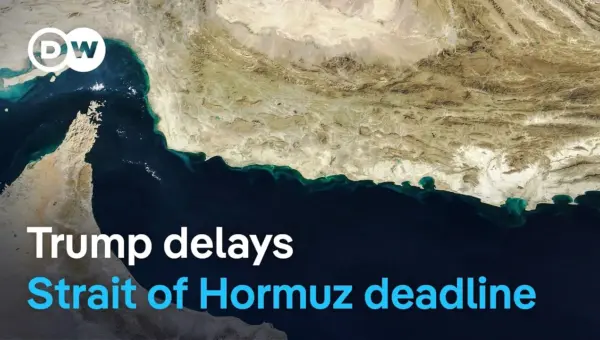
Trump Delays Iran Strike Deadline Amidst Shifting Diplomacy
President Donald Trump has extended his deadline for potential strikes on Iranian energy plants to April 6th, amid reports of U.S.-Iran diplomatic talks mediated by Pakistan. This move comes as Israel continues its strikes on Iran and the U.S. deploys additional military assets to the region. Analysts point to mixed signals, economic pressures, and strategic miscalculations as key factors shaping the evolving situation.