MTG Sees Democrat Gains as a ‘Danger Sign’ for GOP
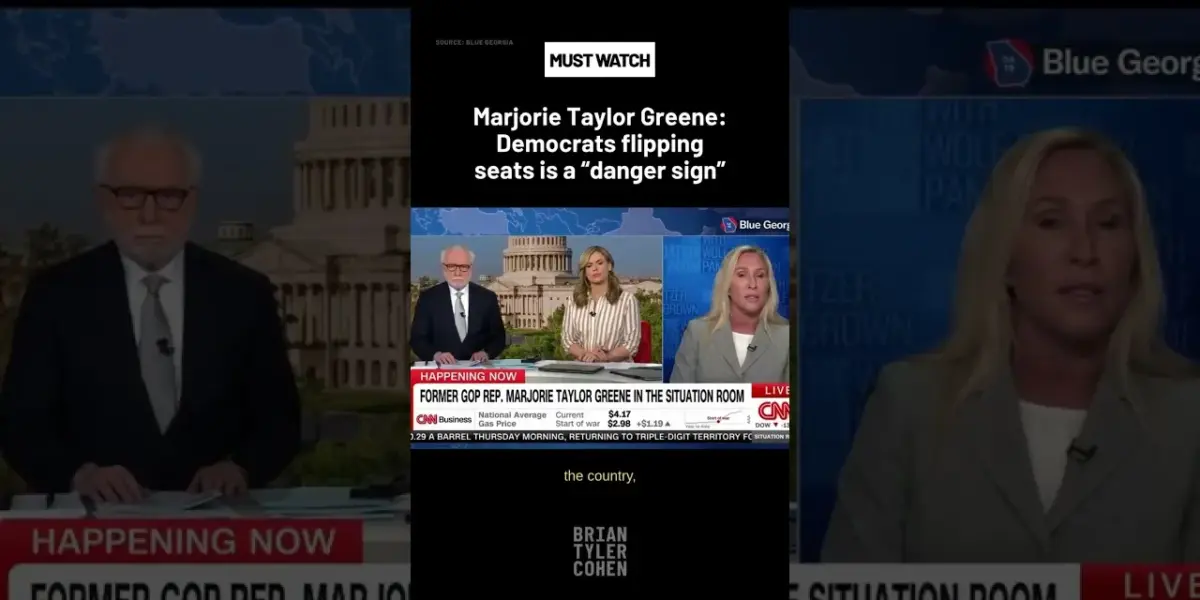
Representative Marjorie Taylor Greene identified a worrying trend for Republicans: Democrats flipping seats and low GOP voter turnout. She believes this signals voter unhappiness with current leadership and potentially former President Trump. This could impact future elections if the party doesn't adapt.

MTG Sees Democrat Gains as a ‘Danger Sign’ for GOP
The political landscape can shift quickly, and sometimes even politicians who try to stay on the sidelines notice. That’s what happened recently with Representative Marjorie Taylor Greene. She observed a trend that she believes is a serious warning for the Republican Party. Even though she tried to remain neutral in a specific local election, the results and the broader picture made her speak out.
A Local Race and a National Trend
Greene explained that she deliberately stayed out of a race in Georgia’s 14th congressional district. Her reasoning was simple: she felt it was important for the voters in that district to pick their own representative without outside influence. She wanted to let the people decide for themselves.
However, the outcome of this local race, combined with what she’s seeing across the nation, led her to believe something significant is happening. She pointed to a pattern of Democrats winning seats that were previously held by Republicans. This isn’t just happening in one place; she sees it happening in state-level races and other contests all over the country. Greene called this trend a “danger sign” for Republicans, not just in Georgia but nationwide.
Voter Discontent and Leadership Questions
What does this trend mean? Greene believes it shows that many people are unhappy with the current leadership of the Republican Party in both the House and the Senate. The fact that Democrats are flipping seats suggests voters are looking for different options. This dissatisfaction, she argued, extends to former President Donald Trump as well.
Greene mentioned that Trump’s approval ratings are not as high as they used to be. She also noted that overall polling data reflects this dip in support. She sees these numbers and the general mood of the voters as a clear indicator that the Republican Party needs to pay attention to what people are saying. The results in the 14th district election, in particular, seemed to confirm her concerns about voter sentiment.
Why This Matters
This observation from Greene is important because it highlights a potential disconnect between the Republican Party’s leadership and the voters they aim to represent. When a party starts losing seats, especially to the opposition, it’s a signal that something isn’t working. It could mean their message isn’t resonating, or that voters are looking for new ideas and different leadership.
The concept of “voter turnout” is key here. Low turnout among Republican voters means fewer people are showing up to support the party’s candidates. Conversely, higher turnout among Democrats can lead to them winning more elections. Greene’s concern about low Republican turnout is a direct worry about the party’s ability to mobilize its base and attract new voters.
Historical Context and Future Outlook
Throughout American history, political parties have faced periods of success and decline. When a party loses power or struggles to win elections, it often leads to internal reflection and change. Sometimes, this results in new leaders emerging within the party, or a shift in the party’s platform and goals to better connect with voters.
The current situation, as described by Greene, could be a sign of such a period for the Republican Party. The mention of dissatisfaction with both current leadership and former President Trump suggests a complex dynamic at play. Voters might be seeking a fresh direction, or perhaps they feel the party has not addressed their most pressing concerns effectively.
Looking ahead, the trends Greene pointed out could shape future elections. If Republican voter turnout remains low and dissatisfaction continues, the party may struggle to regain or maintain control in Congress and state governments. This could open the door for Democrats to solidify their position or advance their policy agenda more easily.
However, political tides can turn. Parties often adapt to changing public opinion. The Republican Party will likely analyze these election results and polling data. They will need to figure out how to energize their voters and convince undecided voters to support their candidates. Whether they can effectively address the concerns Greene highlighted will be crucial for their success in the upcoming election cycles.
Moving Forward
Greene’s warning is a call for the Republican Party to examine its current standing with the electorate. The idea that Democrats are flipping seats is not just a statistical observation; it’s a reflection of voter sentiment. The party must understand why voters are unhappy and what changes are needed to win back their support. This moment could be a turning point, or simply a temporary setback, depending on how the party responds to these challenges.
Source: Marjorie Taylor Greene: Democrats flipping seats is a “danger sign” (YouTube)

Related Articles

GOP’s Election Fears Drive Millions to Safe Seats
Republicans are spending hundreds of millions to defend traditionally safe Senate seats, a sign of deep election anxiety. Reports show massive investments in states like Ohio and North Carolina, shifting funds from potentially offensive races. This defensive strategy highlights concerns about voter sentiment and the potential for unexpected losses.

GOP Faces Vote Losses Amidst Party Compliance Culture, Analysts Say
Republican leaders are facing increasing criticism for claiming a mandate while their actions alienate voters, according to political analysts. A culture of compliance within the GOP is weakening its principles and potentially leading to significant electoral losses. Democrats are urged to maintain a strong public stance and fight for their agenda.

Melania Trump’s Epstein Speech Sparks Political Earthquake
Melania Trump's strong denials regarding the Jeffrey Epstein scandal have sent ripples through the political world, exposing divisions within the Republican party. Her unexpected call for congressional hearings puts pressure on lawmakers to address the issue.