MTG: GOP Must Burn to Rebuild Stronger Foundations
Marjorie Taylor Greene's call for the Republican Party to "burn to the ground" signals deep frustration with its current direction. She criticizes perceived control by outside groups and questions Donald Trump's evolution. This rhetoric highlights ongoing debates about foreign policy and the influence of special interests in American politics.

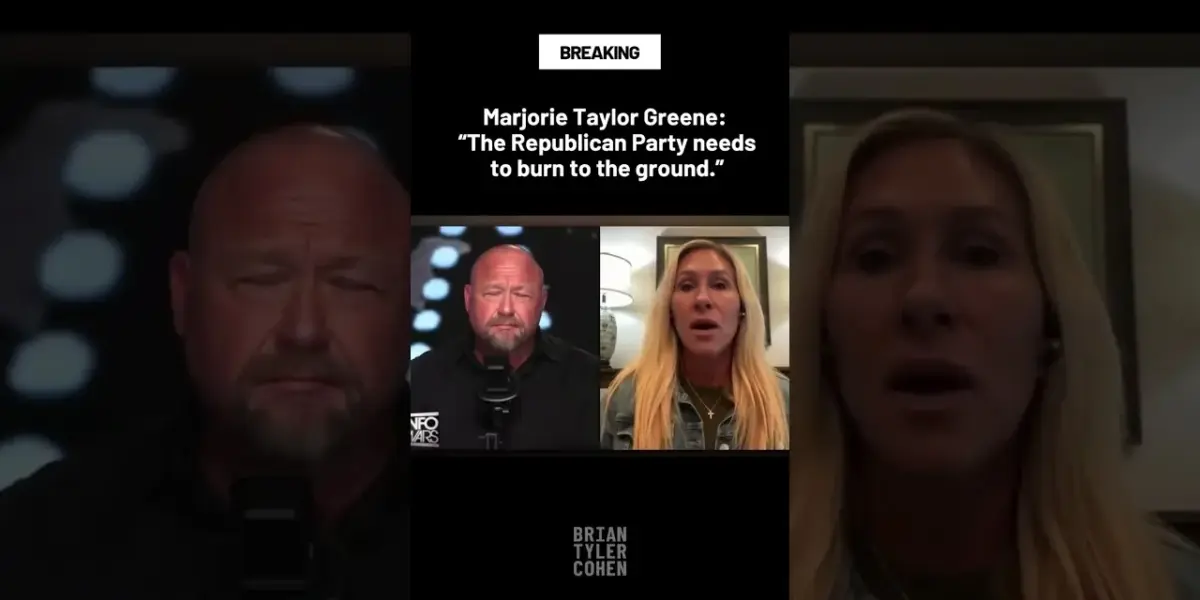
MTG: GOP Must Burn to Rebuild Stronger Foundations
Congresswoman Marjorie Taylor Greene recently made a bold statement: the Republican Party needs to be burned to the ground. This powerful image suggests a deep dissatisfaction with the current state of the party and a desire for fundamental change. Greene believes the party is no longer serving its original purpose and is, in fact, being controlled by outside forces.
Greene pointed to specific groups, mentioning “Apac and by Zionist,” as having undue influence over Congress. She expressed concern that this control could lead to dangerous outcomes, specifically fearing the use of a nuclear bomb on Iran. This, she stated, would be a terrible event for humanity. She also argued that American troops should be removed from the Middle East, stating that the U.S. never had a valid reason to be involved there.
A Call for Radical Change
Greene’s call to “burn to the ground” is a strong metaphor. It’s like saying a house is so rotten that you can’t just fix a few walls. You have to tear it all down and build something new. She feels the Republican Party has lost its way. It’s not the party that many, including herself, once supported. She even suggested that former President Trump has changed from the man they originally backed.
This sentiment reflects a growing frustration among some voters. They feel that the established political parties are out of touch with their concerns. Greene’s words tap into a desire for a political system that feels more authentic and less influenced by special interests. It’s a sentiment that echoes throughout American history, where periods of significant political upheaval often follow times of perceived corruption or stagnation.
Historical Echoes of Political Discontent
Throughout American history, political parties have faced internal crises and calls for reform. Think about the early 1900s with the Progressive Era. Many felt the Republican and Democratic parties were too beholden to big business. This led to movements pushing for change from within and sometimes the rise of third parties. Greene’s call, while perhaps more extreme in its language, taps into a similar vein of discontent.
When people feel their voices aren’t heard, or that the system is rigged, they look for alternatives. Sometimes this means supporting a candidate who promises to shake things up. Other times, it can lead to a complete realignment of political forces. Greene’s statement suggests she believes the current Republican structure is beyond repair. It’s a radical position that few mainstream politicians would take.
Examining the Claims of Control
Greene’s assertion that Congress is controlled by “Apac and by Zionist” is a serious and controversial claim. These are often coded terms used in discussions about foreign policy and perceived Jewish influence. It’s important to note that organizations like AIPAC (the American Israel Public Affairs Committee) are influential lobbying groups. They advocate for policies they believe benefit the United States, particularly concerning Israel. However, claims of them controlling Congress are highly debated and often fall into the territory of conspiracy theories.
Many people believe that lobbying groups, regardless of their focus, do have significant influence in Washington. This is a common criticism of the American political system. The question is whether this influence amounts to outright control. Greene’s strong language suggests she believes it does. This raises questions about transparency and the role of money in politics, issues that concern many Americans across the political spectrum.
The Call to Leave the Middle East
Greene’s argument for withdrawing troops from the Middle East is not new. Many foreign policy experts and a segment of the public have long questioned the cost and effectiveness of U.S. involvement in the region. The wars in Iraq and Afghanistan, for example, were long and costly. They resulted in thousands of American lives lost and trillions of dollars spent. The stated goals of these interventions have often been debated, and their long-term success remains a subject of discussion.
The idea of prioritizing American lives and resources by focusing inward is a popular one. It echoes a sentiment of “America First” that has appeared at different times in U.S. history. Greene’s perspective is that military intervention often leads to more problems than it solves. It also puts American soldiers in harm’s way unnecessarily. Her desire to prevent future conflicts, especially the devastating possibility of nuclear war, is a powerful motivator for this stance.
Is Trump Still the Same Leader?
Greene’s observation that Donald Trump is “not the same man” is intriguing. Supporters often view Trump as a consistent figure who stays true to his principles. However, political figures do evolve, and so do the perceptions of them. Perhaps Greene feels that Trump’s actions or priorities have shifted since she initially supported him. This could relate to his approach to foreign policy, his public statements, or his perceived effectiveness as a leader.
It’s possible she feels he has become more aligned with the establishment he once railed against. Or maybe she believes he is not fighting as hard for the causes she champions. Regardless of the specific reasons, this comment suggests a personal re-evaluation of a political figure she once strongly endorsed. It adds another layer to the idea that the political landscape is shifting, and even long-time allies are reassessing their loyalties.
Why This Matters
Greene’s statement, while extreme, highlights a deep division within the Republican Party and broader political discontent. Her call to dismantle the party reflects a desire for a more radical break from the past. It questions the influence of special interests and advocates for a significant shift in foreign policy. The fact that a prominent figure like Greene is making these statements, and that they resonate with a segment of the electorate, shows that traditional political structures are being challenged.
This matters because it signals potential future directions for political movements. Will the Republican Party undergo a major transformation, or will these calls for radical change remain on the fringes? The debate over foreign intervention and the influence of lobbying groups are critical issues facing the nation. Greene’s fiery rhetoric forces these conversations into the spotlight, even if her proposed solutions are controversial.
Implications and Future Outlook
Greene’s words could embolden others who feel similarly disenfranchised. This might lead to further internal conflict within the Republican Party. It could also push some voters towards more extreme or populist movements. The focus on foreign policy, particularly the Middle East and the threat of nuclear weapons, is likely to remain a key issue. As global tensions rise, these debates will only become more urgent.
The long-term impact of such rhetoric is uncertain. It could energize a base looking for a complete overhaul. Alternatively, it might alienate more moderate voters, hindering the party’s ability to build broad coalitions. The future will likely see continued tension between those who want to reform existing institutions and those who believe they must be destroyed and rebuilt. Greene’s statement is a stark reminder of the deep divisions and passionate beliefs shaping American politics today.
Source: Marjorie Taylor Greene: “The Republican Party needs to burn to the ground.” (YouTube)

Related Articles

Buttigieg: Trump’s Policies Drive Up Costs for Americans
Former Secretary of Transportation Pete Buttigieg argues that Donald Trump's policies and rhetoric are actively increasing costs for ordinary Americans. He contrasts this with typical administrations that aim to lower inflation, stating that current policies exacerbate economic hardship across various sectors. Buttigieg also addresses Trump's controversial statements, calling them a dangerous erosion of trust.

MAGA’s Immigration Paradox: Supporters Face Deportation Fears
A MAGA supporter, facing a decade-long wait for his immigration case, advocates for stricter deportation policies. His personal story highlights the complex and often ironic realities of the U.S. immigration system.

Noonan Slams Trump’s Iran Threats: ‘Hitting a New Bottom’
Journalist Peggy Noonan has strongly criticized former President Donald Trump's social media threats against Iran, calling them "sinister" and "hitting a new bottom." Her commentary highlights concerns about destabilizing the world and undermining America's moral authority. The piece also touches on divisions within the Republican Party and the silence of its leaders.