M&S Demands Action as Retail Crime Surges After Mob Attack
Marks & Spencer is demanding stronger policing and official action against retail crime after a mob stormed one of its stores in Clapham. The company's retail boss highlighted the daily violence faced by 1,600 workers and called for better use of technology to track offenders.

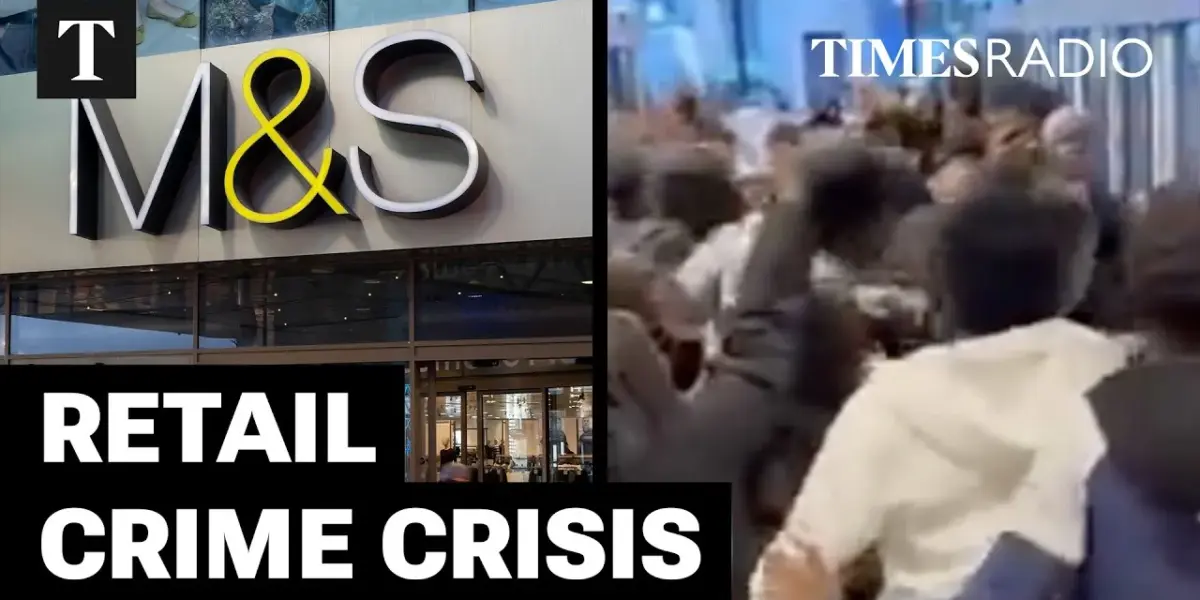
Retailer Calls for Stronger Policing After Violent Store Rampage
Marks & Spencer is demanding greater action from authorities to combat rising retail crime following a shocking incident where a mob stormed a store in Clapham, South London. The High Street giant’s retail boss is speaking out, calling for more effective policing to tackle what he describes as increasingly brazen and aggressive shoplifting and store disturbances.
Clapham Chaos Sparks National Outcry
Viral videos showed dozens of young people storming a Marks & Spencer store on Clapham High Street earlier this week, causing chaos and havoc. This incident has brought the issue of retail crime to the forefront, with many expressing frustration over perceived inaction. Adam Hawkby, head of external affairs at Marks & Spencer, emphasized that the company’s primary concern is the safety of its employees.
“Our number one priority is colleague safety,” Hawkby stated. “They deserve to go to work each day without fearing violence or intimidation or abuse.”
Scale of the Problem: Millions of Incidents Annually
The problem extends far beyond a single incident. Last year, there were an estimated 5.5 million incidents of retail crime across the country. This translates to roughly 1,600 retail workers experiencing violence and intimidation every single day. Marks & Spencer is investing millions in security measures, including guards and body-worn cameras, but believes more support is needed from government officials and police forces.
Seeking Smarter Policing Through Technology
Hawkby highlighted specific areas where improvements could be made, particularly regarding the use of technology. Marks & Spencer uses a platform called Aura, which allows retailers to share information about repeat offenders, upload CCTV footage, and build cases. This system can help police identify suspects and support investigations, potentially saving officers time. However, its effectiveness is hampered by inconsistent adoption across different police forces, possibly due to resource limitations or a lack of necessary permissions.
“We’d love to see officers use and ministers and mayors possibly mandate [this technology] so we get really consistent application across the country,” Hawkby explained.
Colleague Safety: The Top Priority
When asked about empowering security guards to detain suspects, Hawkby stressed that colleague safety remains paramount. The nature of retail crime varies, from organized gangs to individuals under the influence of drugs or alcohol. Marks & Spencer does not want its employees, whether frontline staff or security guards, to be put in harm’s way by intervening in unpredictable situations, especially when offenders might be armed.
“The last thing that we want is to put our colleagues in harm’s way by encouraging them or implying that they should intervene,” Hawkby said. “We don’t want that individual harmed, particularly if someone committing crime in a store is unpredictable.”
Deterrence vs. Intervention: A Delicate Balance
While frontline staff are advised not to take actions that could put them at risk, security guards may have more discretion. Offering a shopping basket or making it clear someone is being observed can sometimes deter shoplifting. However, if an individual is unpredictable or under the influence, the decision might be made not to intervene directly to avoid escalating the situation. Once a suspect leaves the store, retailers lose their ability to act, making the collection and sharing of intelligence crucial.
Hawkby acknowledged the difficulty: “It’s a tricky trade-off, but the key thing has to be deterrence and then engaging with the police on the data that we pull together.”
Reporting Every Incident: Building a Clearer Picture
Marks & Spencer insists it reports the vast majority of incidents, urging stores to report every crime, even if they doubt immediate action will be taken. This data is vital for convincing police forces to invest more resources or direct patrols to high-risk areas. However, the retailer emphasizes that reporting is only effective if there is confidence that authorities will act upon it, supported by adequate resources from ministers and mayors.
Public and Political Reaction
The visible nature of shoplifting means it evokes strong public emotion. A third of people in London and the West Midlands have witnessed shoplifting in the past year, leading to understandable frustration. While some politicians, like Conservative Party leader Penny Mordaunt, have suggested they might tackle shoplifters themselves, Marks & Spencer maintains that the focus must remain on ensuring colleague and customer safety. The company advocates for recording incidents and providing intelligence to the police rather than encouraging members of the public or staff to engage in confrontations.
The Role of Security Guards
When questioned about the effectiveness of security guards if they are not expected to intervene, Hawkby explained that their role involves deterrence and gathering information. While the numbers of incidents are high, he noted that it’s unknown how much higher they would be without security personnel. Evidence suggests guards do have a deterrent effect. However, the risk of offenders using weapons, such as angle grinders, makes direct confrontation inappropriate and unsafe for both guards and the public.
“Our steer to them is look, take the steps that you think are reasonable. But you’ve got to understand in terms of the individuals that might be coming in and causing these offenses that at times they are highly unpredictable. At times they’ve got weapons,” Hawkby said.
Looking Ahead: A Call for Consistent Action
The conversation highlights a complex challenge for retailers, law enforcement, and policymakers. While technology offers potential solutions, its widespread and consistent application is key. The ongoing debate centers on finding the right balance between deterring crime, protecting staff and customers, and ensuring that offenders are held accountable through effective policing and justice systems. The public and retailers alike are watching to see if authorities will provide the necessary resources and support to curb the rising tide of retail crime.
Source: M&S Calls For Crackdown On Retail Crime After Clapham Mob Rampage (YouTube)

Related Articles


Tiger Woods Crash: DUI Allegations Surface
New bodycam footage shows Tiger Woods after his 2021 car crash, detailing his initial interactions with police. The video provides a factual look at the scene, focusing on his condition and the assessment by first responders. This release brings attention back to the circumstances of the accident.
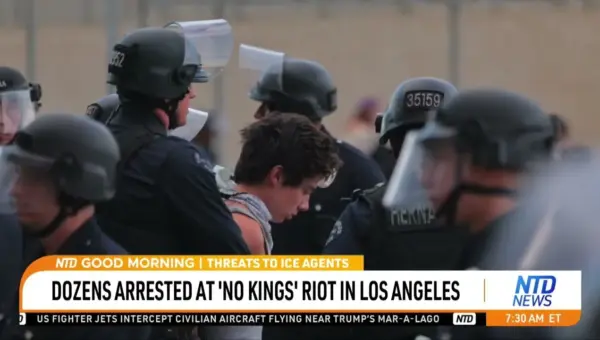
LA Riots Erupt: Police Clash With ‘No Kings’ Protestors
A 'No Kings' rally in Los Angeles turned violent, leading to dozens of arrests after protesters threw objects at police. The incident involved threats against federal agents and required officers to seek medical attention.


Badenoch Slams Starmer’s Iran Stance, Pushes ‘Muscular Conservatism’
Kemi Badenoch has sharply criticized Keir Starmer's approach to the Iran conflict, accusing him of "sitting on the fence." She also outlined the Conservative party's 'muscular conservatism' agenda, focusing on tackling shoplifting and reforming welfare to fund business rate exemptions for high street shops.