MP Demands UKHSA Explain Meningitis Outbreak Alert Timeline
MP Helen Whately has demanded an explanation from the UKHSA regarding the timeline of public warnings issued for a Meningitis B outbreak in Kent, which has claimed two lives. Concerns are mounting over potential vaccination gaps in young adults and the speed of official communication.

MP Demands UKHSA Explain Meningitis Outbreak Alert Timeline
A local Member of Parliament has called for the UK Health Security Agency (UKHSA) to provide a clear explanation regarding the timeline of its public warnings about a recent Meningitis B outbreak in Kent. The outbreak has tragically resulted in two confirmed deaths, prompting concerns from parents and public health officials about the speed of communication and response.
Concerns Over Outbreak Response
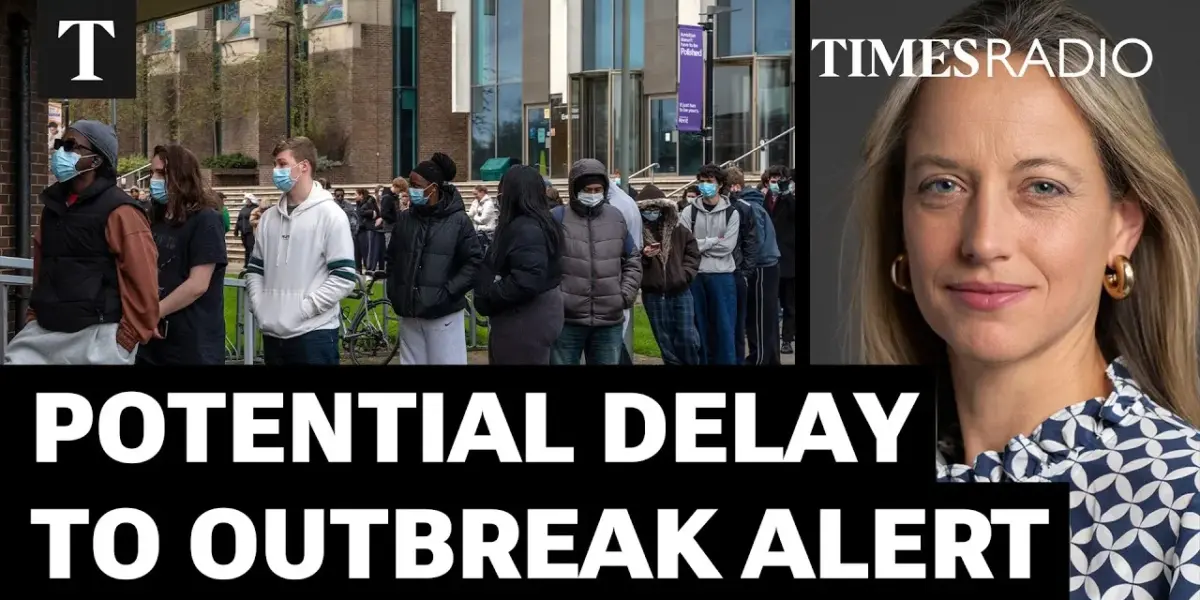
Helen Whately, the Conservative MP for Faversham and Mid Kent and a former health minister, has voiced significant concerns about the handling of the Meningitis B outbreak. She revealed that she first became aware of the situation through social media on a Sunday evening, despite indications that health officials may have known about the cases earlier. Whately stated, “I first heard about the outbreak uh through picking it up on on on the internet on Facebook on Sunday evening. Um, but it sounds like actually they knew about it earlier than that.”
The UKHSA confirmed the deaths on Sunday night, but it is understood that alerts regarding the cases were received by health officials a day prior. Whately expressed her desire for the UKHSA to “come forward and explain the timeline there.” She added, “I didn’t get an update myself until I contacted the health secretary first thing on Monday morning and then had a briefing.”
Meningitis B Strain and Vaccination Gaps
The outbreak has been attributed to the Meningitis B strain. This is particularly significant because the routine vaccination against Meningitis B for babies and young children was only introduced in 2015. Consequently, the current generation of students and young adults, including those in their late teens, may not have received this crucial vaccine during infancy.
“This group of uh students and teenagers from 18 and and above who were mixing at the the club and university um won’t have been vaccinated as babies in that way because they were they were born before that,” explained Whately. “So they do have a a vulnerability.” She suggested that the government and UKHSA should investigate the possibility of a catch-up vaccination program for this age group, especially given the increased risk posed by the current outbreak.
Tragedy and Public Worry
The tragic loss of two young lives has understandably caused immense worry within the community. One of the deceased was a Year 13 student who attended a school within Whately’s constituency. “It’s absolutely tragic,” she said. “And then huge worries for those who are in hospital. uh and of course the risk of many more being contacts with uh.”
In response to the outbreak, UKHSA and NHS have begun providing antibiotics to young people who attended specific club nights in Canterbury on March 5th, 6th, and 7th, where many young people gathered. Whately urged those who were present to come forward and accept the prophylactic treatment. “I think it’s really important that people who are there come forward and take those,” she advised.
Calls for Improved Communication
Whately emphasized the critical need for clear and timely information for her constituents, particularly concerning the safety of children attending school. “What people want in my constituency in the area is more information and to know uh that that that for instance that children are are safe uh to to go to school and the advice to be coming through,” she stated.
She has been in communication with the Health Secretary and the Chief Executive of UKHSA, Susan Hopkins, highlighting the importance of reaching out not only to university students but also to schoolchildren due to the potential for widespread transmission. “But there is a question about know could that have been uh acted on quicker um if there had been more public engagement sooner,” Whately mused.
Broader Implications and Future Measures
The incident raises broader questions about public health communication strategies during outbreaks and the effectiveness of existing vaccination programs. The vulnerability of a generation that missed the Meningitis B vaccine due to its later introduction is a significant concern. Experts suggest that a review of vaccination schedules and the potential for targeted catch-up campaigns may be necessary to mitigate future risks.
The situation also underscores the importance of rapid and transparent information dissemination from health authorities to the public, especially when dealing with potentially life-threatening infections. The criticism directed at the UKHSA highlights the public’s expectation for swift and clear guidance during health emergencies.
What to Watch Next
The UKHSA is expected to provide further details on the outbreak and its response. Public health officials will continue to monitor the situation closely and provide updated guidance to affected communities. The focus will remain on ensuring the health and safety of those at risk and on addressing concerns regarding vaccine accessibility and communication strategies for future public health challenges.
Source: UKHSA Should Explain Timeline Of Meningitis Outbreak Alert Urges Local MP (YouTube)

Related Articles

New COVID Variant Fuels Health Concerns Amid Allergy Season
A new, more contagious COVID-19 variant from the Omicron family is spreading across the U.S., detected in wastewater and potentially evading vaccines. The timing complicates symptom identification as allergy season begins, with experts advising symptom duration and accompanying fever as key differentiators.


Vaccine Hesitancy: A Doctor’s Warning on Health Risks
A doctor warns that jokes about science and vaccines can have dangerous real-world health consequences. The rise of misinformation is linked to outbreaks of preventable diseases like measles and the rejection of essential newborn care.


Ex-CDC Official Slams ‘Hijacked’ Agency, Demands Science-Driven Leader
A former CDC official has described the agency as "hijacked," criticizing political interference and a lack of transparency. He calls for a new leader with deep public health experience who will prioritize science. The agency's future hinges on restoring trust and scientific integrity.