MP Defends Controversial Toy ‘Influencer Kits’ for Toddlers
Labour MP Veriel Clark defended a new toy 'influencer kit' for toddlers, stating it's not the 'worst thing' she's ever seen. She is also leading an inquiry into the government's proposed social media ban for under 16s, aiming to highlight the positive contributions of digital creators.

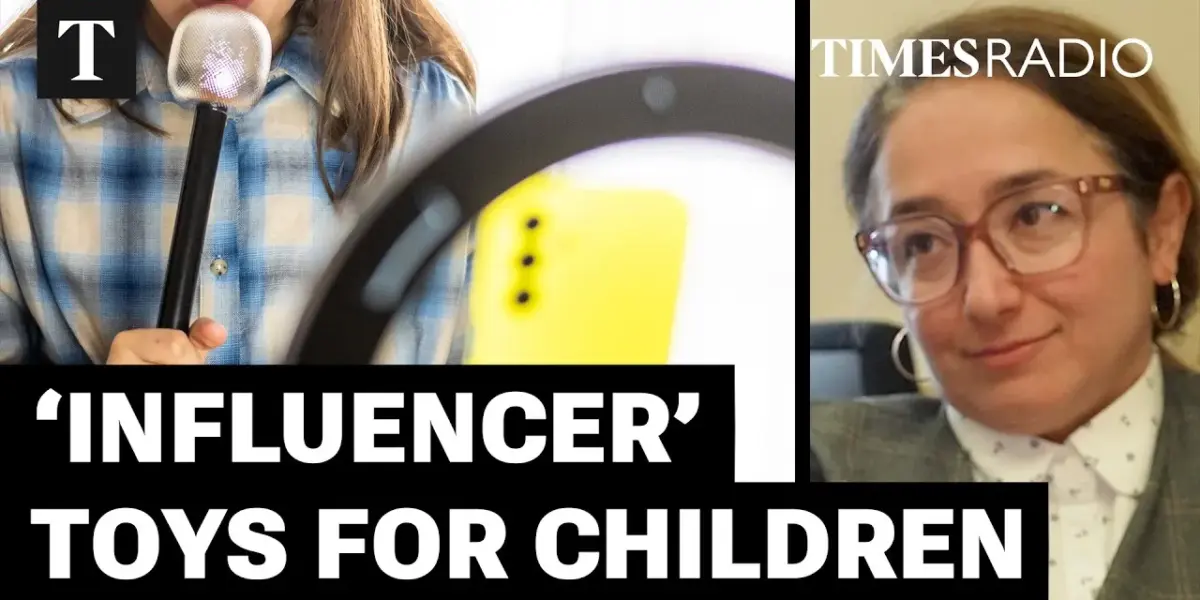
Labour MP Defends Controversial Toy ‘Influencer Kits’ for Toddlers
Labour MP Veriel Clark has defended a controversial toy kit designed to mimic social media influencing, stating she sees no problem with the concept. The toy, aimed at children aged two and above, includes items like a ring light, camera, and a wooden microphone. Clark believes that focusing solely on the negative aspects of influencing overlooks the broader contributions of digital creators to education and the economy.
Inquiry into Social Media Ban for Under 16s Launched
Clark, speaking on Times Radio, revealed that she is part of a new inquiry by the All-Party Parliamentary Group (APPG) for Digital Creators. This inquiry will examine the government’s current consultation on potentially banning social media for individuals under 16. The group aims to ensure the voices and perspectives of digital creators are heard during this crucial policy debate. Their work will involve gathering evidence from various sectors of the digital creation community, starting with educators.
Digital Creators as Educational Resources
The APPG’s inquiry will also hear from entertainers and journalists in the coming weeks. Clark emphasized the significant educational value that digital creators provide. She shared her personal experience during the COVID-19 pandemic, where YouTube videos from nurses and mothers offered vital support for breastfeeding and sleep training when in-person health services were unavailable. This highlights how digital content can fill crucial gaps in support systems.
Clark pointed to specific examples of educational creators, such as Alex and Liam, who teach French to 2.3 million followers, and Katie, a biology teacher providing GCSE and A-level revision content. These creators offer accessible learning resources for students who may not have access to private tutors or parents with specialized knowledge. The ability to access this support from home is incredibly valuable for many young people.
Influencing as a Valid Career Path
When asked about her reaction if her own young children wanted to become influencers in the future, Clark responded positively. She compared it to her children aspiring to be footballers or doctors, emphasizing that she would want to understand their goals and how they plan to achieve them. Clark believes that digital content creation can be a valid career path, similar to traditional professions.
She highlighted the positive role models within the creator community. For instance, a math teacher influencer from a working-class background who shares advice on getting into Oxford University inspires many young people who might not otherwise believe such aspirations are attainable. This demonstrates that influencers can offer more than just entertainment; they can provide crucial guidance and motivation.
Addressing Perceptions of Influencers
Clark acknowledged the common perception that influencing primarily involves activities like testing makeup and promoting products, especially for young girls. She argued that this view represents only one facet of the digital creator landscape. Just as journalists use microphones and lights in their work, not all influencers are solely focused on selling beauty products.
She also noted that many influencers are not just individuals but operate as substantial businesses, employing numerous people and contributing significantly to the economy. Clark herself follows a mother influencer for product recommendations, using various sources like magazines and online reviews to make purchasing decisions. She sees this as a normal consumer behavior, with influencers being one of many avenues for information.
Toy Influencer Kit: A Matter of Perspective
Regarding the toy ‘influencer kit,’ Clark stated she does not have a problem with it. She drew a parallel to children playing with mermaid toys, questioning whether that leads them to believe they will become fish. Similarly, she believes a toy microphone or camera does not inherently mean a child will aspire to be a makeup salesperson.
Clark suggested that the backlash to such toys might stem from broader anxieties about online safety and social media use among young people. While acknowledging that some parents may worry about these toys encouraging early engagement with social media, she views them as potentially just another type of ‘junk toy’ that children might play with. She even suggested that a wooden microphone might be preferable to the loud, real karaoke microphones her own children possess.
Looking Ahead
As the APPG for Digital Creators continues to gather evidence, its findings will be crucial in shaping the government’s approach to social media regulation for minors. The debate surrounding online safety and the role of digital platforms is complex, and Clark’s perspective emphasizes the need to recognize the diverse and often positive contributions of content creators. The inquiry’s work will be closely watched as policymakers deliberate on the future of social media for young people.
Source: ‘I Don’t Have a Problem With It’ Labour MP Defends Controversial Toy ‘Influencer’ Kits (YouTube)

Related Articles


Austria Moves to Shield Kids: Social Media Ban for Under 14s
Austria plans to ban social media for children under 14, citing concerns over addictive algorithms and harmful content. This move reflects a growing international trend toward regulating online access for minors, though critics warn of potential infringements on rights and social connections.


Pentagon Chief Blocks Black, Female Officers’ Promotions
Pentagon chief Pete Hegseth is reportedly blocking the promotions of four Army officers, two Black and two women, to one-star general. This decision follows reports of alleged discriminatory remarks made by a top aide to Secretary Hegseth regarding President Trump's comfort standing with Black female officers.

G7 Allies Clash Over Iran War Strategy, Urge Focus on Russia
G7 foreign ministers met in Paris, revealing deep divisions over the U.S. war with Iran. European allies urged the U.S. to pressure Russia, linking its actions to the conflict and fearing support for Ukraine will wane.